Technical Articles
A Casting Table and Crew Reservation Log for Precast Shops
Track precast table and crew bookings with separate reservation windows, actual handovers, change acknowledgements and visible QA holds.
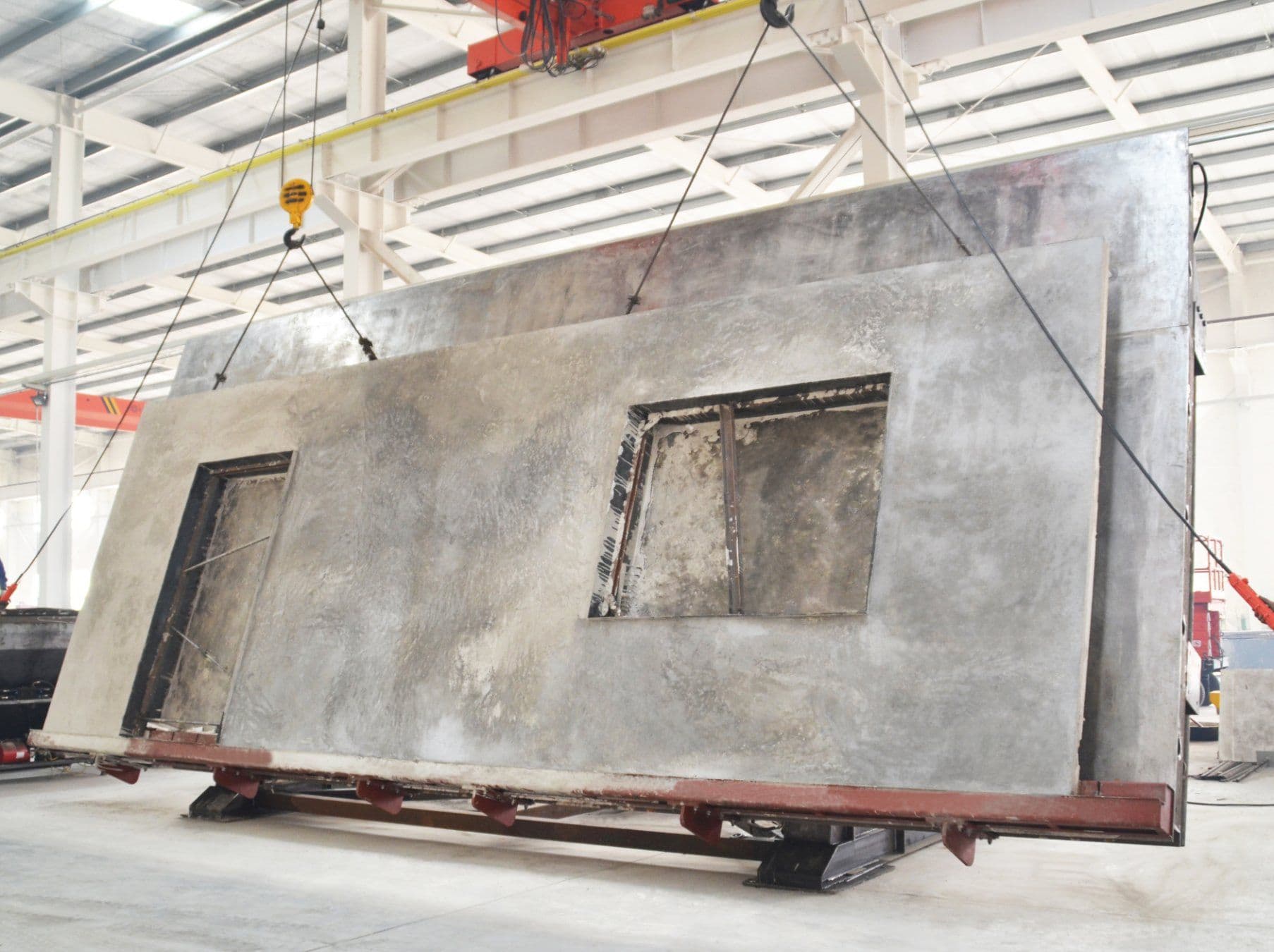
A table reservation needs a physical table ID, a defined task and a named owner. A crew assignment needs its own working window. Connecting those records lets foremen see when two jobs are competing for the same resource and who must resolve the clash before work starts.
A January 2, 2021 discussion illustrates the problem. A self-described glass fiber reinforced concrete (GFRC) factory operator said table and team assignments were made verbally, leaving no record. Foremen sometimes had to phone colleagues to locate teams working on installation sites.
Give every reservation a fixed identity
Mark each physical casting table or bed with the identifier used in the shared log. Avoid descriptions such as “the table near the door,” which can mean different things across shifts. Give each crew a stable identifier and name its responsible foreman. Update the roster when people move between crews so the same people cannot disappear inside two crew labels.
Each reservation should identify the project, work order or piece group, task, and applicable drawing or work-instruction revision. Give the reservation its own number. A changed revision then has a traceable effect on the allocation instead of silently replacing yesterday's instructions.
Name one booking coordinator for each shift, with a stated backup. Foremen can request changes; the coordinator reconciles competing requests and records the accepted allocation. This is an administrative role with no authority to override technical holds.
Separate table occupation from crew work
Record the table's planned occupation from the point it is committed to the task through its expected handover condition. Include the applicable setup, production, curing, removal and cleaning stages in that plan. Their timing comes from the plant's approved process and current evidence.
Record crew working windows separately for the tasks requiring that crew. A table can remain occupied while the crew has another authorized assignment. Conversely, a table can be available while the required crew is committed elsewhere. One bar spanning the entire table cycle hides both situations.
Give offsite work a visible assignment with a site or job reference, responsible foreman, expected return and last-confirmed status. An expected return remains a forecast until someone confirms the crew's actual availability. Record travel and other commitments that prevent a simultaneous factory assignment.
Make a change an acknowledged transaction
Before accepting a reservation, compare its table window and crew windows with existing bookings. Flag overlaps in either resource. Keep the disputed booking pending until the coordinator records which assignment proceeds and what happens to the other request.
When a delay or reassignment changes the plan, retain the old window, new window, reason, editor and timestamp. Notify the outgoing and incoming foremen and record their acknowledgement. A changed board entry alone does not demonstrate that the people preparing the work have seen it.
At handover, the outgoing foreman records the actual status and time; the incoming foreman acknowledges the resource and task being received. If acknowledgement is missing, show that condition explicitly. Avoid silently treating a planned handover time as an actual finish.
Illustrative shift example
This is an invented example, not an account of the 2021 factory. Job B requests table T12 and crew C3 for the next shift. Job A still occupies T12, while C3 has an extended installation assignment. The coordinator records two conflicts, revises the proposed booking and obtains the affected foremen's acknowledgement. Returning C3 does not resolve T12's occupation; completing Job A does not establish C3's availability. Each resource receives its own actual handover record.
Keep QA status separate from planned availability
Display the current phase, blocking reason and responsible inspection or release authority alongside the booking. Link the relevant hold or disposition record. Any required technical authorization comes from the designated personnel under the applicable project and plant procedures.
A scheduler can revise a forecast or reserve a future slot. Neither action releases an element, clears an inspection hold, authorizes stripping or lifting, or bypasses equipment and safety controls. Actual table availability must also reflect the required physical handover condition. Keep the technical decision, physical status and scheduling forecast separately visible.
Use a short handover card
Copy this blank card for each reservation. Attach a dated change history rather than overwriting earlier entries.
| Record | Entry |
|---|---|
| Reservation ID and booking owner | __________ |
| Project, task, work order and revision | __________ |
| Physical table ID; planned occupation start/end | __________ |
| Actual table occupation start; handover time | __________ |
| Crew ID, foreman and current location | __________ |
| Planned crew work windows; actual start/finish | __________ |
| Phase, blocking reason and next status check | __________ |
| Required authority; hold or disposition reference | __________ |
| Change time, reason and superseded booking | __________ |
| Outgoing and incoming acknowledgements | __________ |
At shift close, reconcile the card with the floor and offsite foremen. Preserve actual task time and the relevant work-order code; occupied table time alone cannot establish labor hours or project cost.
Test the handover before expanding the system
Replay one anonymized shift through the proposed booking method: an overlap, an offsite crew, a changed revision, a hold and a late handover. Check whether another foreman can reconstruct who accepted each change.
Official pages describe related capabilities: Elematic's Production module covers resource-dependent phase scheduling for hollowcore production, and Concrete Vision's scheduling module describes labor assignments and forecast-versus-actual comparisons. Use a demonstration with your own shift records to check whether these functions fit your workflow.
Broader capacity and system choices belong in the factory layout guide and automation overview. To frame your handover requirements, share your resource list, booking method and one anonymized shift example.