Technical Articles
When Two Raw Materials Change at Once: A Precast Restart Trial and Approval Log
Track simultaneous precast material changes with a last-known-good baseline, controlled trial evidence and named QA authority for production restart.
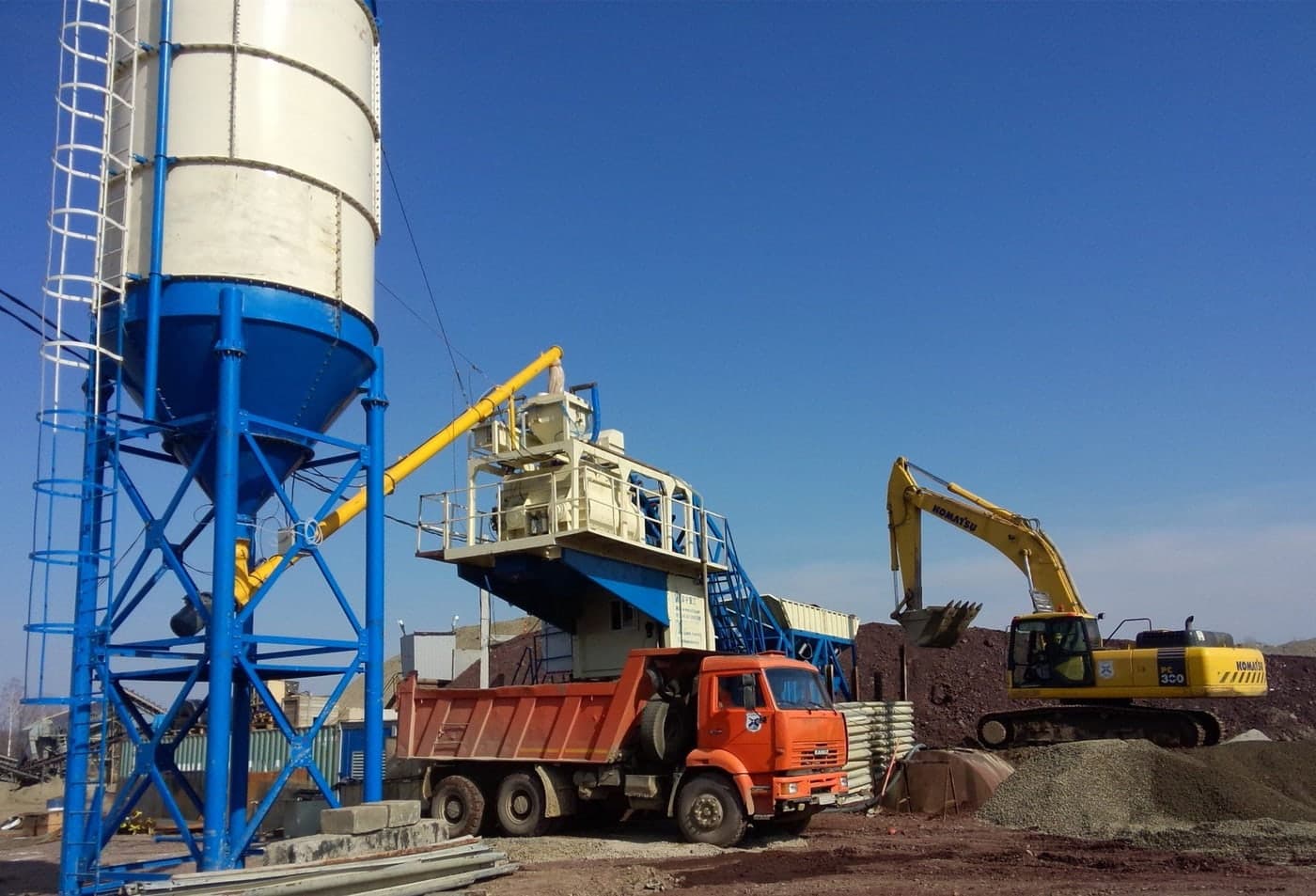
In a September 2024 public discussion, a self-described precast worker reported sticky concrete that continued sagging after a summer shutdown. Fly ash had been introduced and the sand had changed. The simultaneous changes left the worker unsure what to investigate. Appearance alone cannot identify which change mattered.
For a plant facing simultaneous changes, the immediate task is to establish what was previously approved, what actually changed, and who can authorize the next production step. The following log is a suggested change-control workflow to adapt to the plant's quality system and project requirements.
Recover the last-known-good revision
Start with the last accepted production run supported by records. Retrieve its approved mix revision and the evidence connecting it to actual batches. A familiar mix name is insufficient if the underlying suppliers, materials or batching instructions have changed.
Build a baseline folder containing ingredient sources and lots, available grading and moisture results, moisture corrections, actual batched quantities, mixer identification, batch size, sequence, and recorded production conditions. Include the applicable acceptance references and the results supporting that run's accepted status.
Mark gaps explicitly. If the earlier sand is unavailable, record that constraint. If a delivery document cannot establish which lot entered a silo, leave its identity unresolved. Do not reconstruct missing values from memory and present them as measurements. The baseline should show both what is known and what a proposed comparison cannot reproduce.
Separate each change before planning the trial
Give the investigation one change ID, then list each difference separately. Purchasing, production and QA may hold different parts of the record. This compact register makes those differences visible before anyone starts adjusting the mix.
| Change group | Before and after evidence | Question to resolve | Record owner |
|---|---|---|---|
| Planned material change | Approved proposal, material identity, introduction date | Was this exact change authorized? | Mix-design lead |
| Supply substitution | Supplier, source, lot and measured properties | What arrived and entered production? | Receiving and QA |
| Shutdown or restart change | Maintenance, settings and work instructions | Did equipment or procedure also change? | Production lead |
| Unknown difference | Missing record and affected batch range | Who will investigate, and by when? | Named QA coordinator |
These are suggested responsibilities; assign actual names using the plant's authority structure. Keep observations separate from explanations. “Different sand lot recorded” and “sand caused the symptom” are different statements, and the second needs evidence.
Write the comparison plan before changing production
Ask qualified QA and mix-design personnel to define the question each trial will answer. They should identify the comparison material, variables to hold constant, measurements, observation times and applicable acceptance criteria before batching. Put a reference to that approved plan on every trial record.
NPCA's Sequencing in Mix Design, published January 13, 2017, explains that mixer type and batch size affect sequencing. It recommends conservative, individually documented changes with before-and-after testing. That supports recording the mixing procedure alongside the ingredient revision.
Where suitable baseline materials remain available, the technical team can plan isolated comparisons. Where both original materials are unavailable, state the limitation and have that team design an appropriate alternative. A result from two simultaneous substitutions cannot, by itself, separate their individual effects. Record any further change during a trial as a departure from the plan so reviewers know which comparisons remain useful.
Check the intended production conditions
NPCA's May 1, 2023 guidance on starting SCC production recommends plant-mixer trials at the expected production batch size after satisfactory laboratory work. It also emphasizes how long the material remains suitable for placement. Its test discussion is SCC-specific; select methods appropriate to the actual concrete and governing requirements.
For the restart record, link each observation to a trial batch and time. Capture the actual batching record, test reports and timed placement or finishing observations through the window defined in the plan. Include departures, interruptions and missing results. Photographs can preserve an observed condition, but should accompany the applicable test and production records.
Use a short record for each trial rather than squeezing every field into one wide register.
| Trial record field | What to enter |
|---|---|
| Identity and comparison | Change ID, trial batch ID, date, time and baseline revision |
| Materials and process | Source and lot references, measured properties, actual quantities, moisture corrections and controlled mixer settings |
| Evidence | Test-plan reference, reports, timed observations and departures |
| Affected production | Unit or lot references, location and current hold status |
| Decision | Named reviewer, disposition, conditions and supporting approval reference |
Name the person who can authorize restart
Before the trial, establish who is authorized under the plant's quality system to sign the restart decision, and which project or designer approvals are also required. A supplier's technical advice can inform the assessment; record who has authority to accept the proposed use.
The written decision should identify the approved mix and process revision, permitted material sources, applicable products or projects, effective start point and any restrictions. If provisional use is permitted by the governing requirements, define its boundary and the evidence still outstanding. Record who can close those conditions. If the evidence is insufficient, retain the hold and assign the next required action.
Keep restart authorization and disposition of already affected units as separate entries. Name the batches covered by each decision. Before the next shift, confirm that production has received the approved revision and that superseded instructions cannot be mistaken for the current instruction.
For broader background, see precast strength variability and low-carbon concrete in precast production. Here, the essential output is a traceable decision connecting the approved baseline, trial evidence and authorized production scope.
To frame an unresolved QA question, share the relevant mix revision, change register and trial observations with the PRECAST.WORLD technical desk. Include the decision you need your responsible technical authority to make.