Technical Articles
Precast Chemical Mix-Ups: Check the Drum, the Sprayer and the Affected Units
Trace precast chemicals from supplier containers to sprayers and affected units, with a verification register and clear QA and safety decision records.
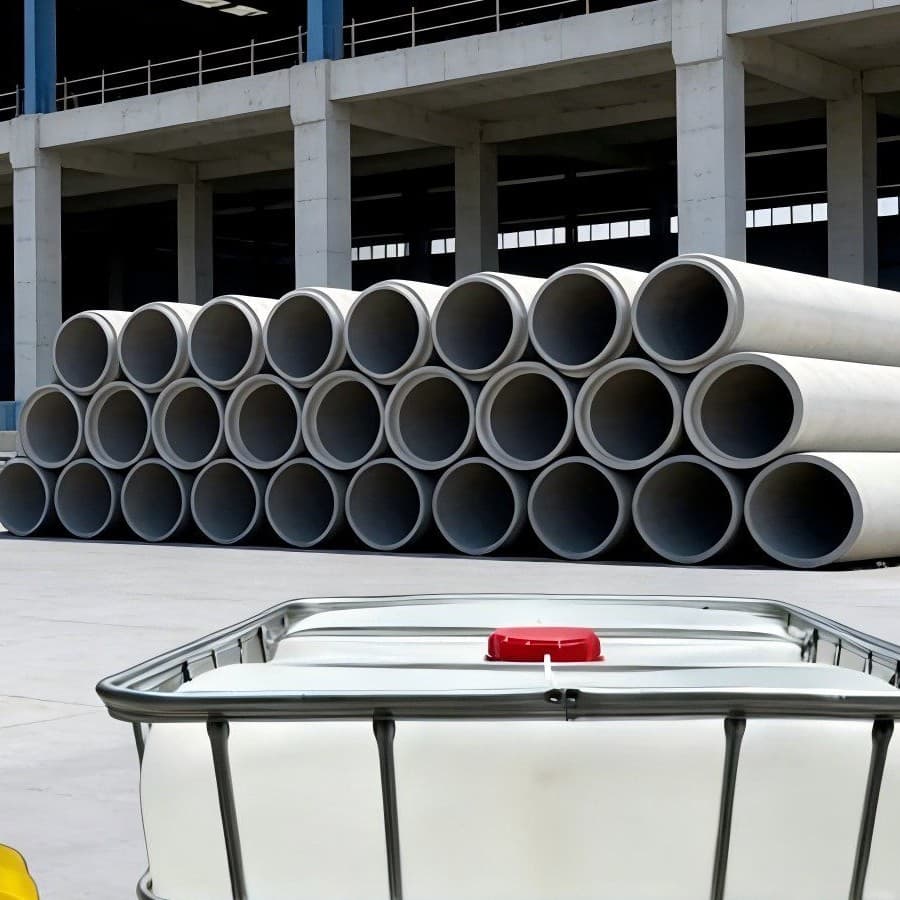
Check the identity of auxiliary chemicals at each stage from receipt to application. If a liquid's identity is uncertain, stop using it, mark the affected equipment out of service through the site's procedure, and notify plant quality assurance (QA) and safety personnel. Keep affected form preparation or casting on hold for their assessment.
The useful record connects the supplier's container and product documentation to the applicator and the units it treated. This article covers that record and the questions to resolve. The plant's chemical-safety and incident-response procedures govern any physical handling.
Distinguish release agents from surface retarders
Release agents and surface retarders serve different purposes. Sika's auxiliary-products guidance describes release agents as helping prevent hardened concrete from adhering to formwork. Surface retarders slow cement hydration at the surface to support an exposed-aggregate finish or other intended surface treatment. A product's purpose cannot be established from the appearance of an unidentified liquid.
In a public r/Concrete discussion, a participant described a visit to a precast plant where soft, dark surfaces appeared during stripping after surface retarder was reportedly used in place of release agent. This historical account raises a useful control question: can the plant show which product reached each applicator and casting bed? It does not establish the cause of a defect on another project.
For product selection, see the release-agent selection guide. The task here is to confirm that the selected product is the one actually received, recorded and used.
Keep identity records through shift handover
Do not identify a chemical by color, smell or container shape. Compare the product identifier on the original label with the supplier's documentation and the safety data sheet (SDS) for that actual product. Record the manufacturer's name, product code, lot or batch reference and the SDS revision available to the team. If the records disagree, leave the identity unresolved and refer it to the supplier and plant safety personnel.
In U.S. workplaces covered by OSHA 1910.1200, hazard communication includes labels or other warnings, SDS access and employee training. Paragraph (f)(8) provides a limited labeling exception for portable containers filled from labeled containers for immediate use. Under the rule's definition, the chemical stays under the transferor's control, is used only by that person, and is used within the same work shift. This is not a general exemption for shared sprayers or shift handover.
Have the site's safety personnel determine the applicable requirements. The record below supplements required hazard communication; it does not replace compliant labels, training or the plant's approved procedures.
Use a chemical identity and application register
Adapt this four-column register to the plant's equipment and responsibilities. Record what the documents establish and keep missing information visible.
| Stage | Identity and traceability evidence | Record owner | Action if uncertain |
|---|---|---|---|
| Receipt and storage | Supplier, order line, original product label, lot reference and matching SDS | Receiving lead | Hold release for use; ask supplier and safety personnel to resolve identity |
| Refill record | Source container ID, product and lot, applicator ID, date, time and operator | Refill operator | Stop the activity; preserve records and notify the supervisor |
| Applicator staging | Applicator ID, verified contents, intended use and current status | Area supervisor | Mark out of service; await safety and QA direction |
| Application and handover | Bed or form ID, treated piece range, applicator ID, time and operator | Application operator and shift lead | Hold affected work; flag the potentially affected range and notify QA |
A product name on a worksheet is not proof of what is inside a container. Check the documented source-to-applicator link. Record who verified it, when, and against which label or receipt. Preserve original manufacturer labels and keep any internal status tag distinct from product identity.
Record suspected mix-ups and affected units
When a discrepancy appears, keep the response focused on the uncertain material, its records and the work it may have affected.
- Stop use and preserve the record. Mark the suspect applicator and container status through the site's procedure. Retain receiving, refill and application records. Leave physical handling to personnel authorized under the plant's safety arrangements.
- Refer treatment and disposition decisions. Obtain the SDS and manufacturer guidance for the actual identified product. If identity remains unknown, tell the safety lead; do not substitute an SDS for a presumed product. Any handling, cleaning or disposal requires a decision approved by the authorized safety and QA personnel under applicable site procedures and requirements.
- Trace potentially affected production. Record bed locations, application times, casting status and piece marks since the last confirmed correct use. Separate confirmed observations from uncertain coverage. QA determines the investigation scope; the record alone does not establish whether a unit is acceptable or must be rejected.
- Document release and restart. Keep the assessment, required actions, responsible people and written release together. Involve the manufacturer's technical team and responsible engineer where product performance or structural suitability requires their review. Record separately which equipment, forms and units have been released and which remain on hold.
The same record helps the next shift understand what is known and what remains unresolved. It should not leave a pending assessment looking like permission to resume work.
Prepare a useful technical question
Once the plant's QA and safety teams have addressed the immediate situation, a non-urgent review can examine gaps in the identification workflow. Include the product identifiers, relevant document revisions, applicator references, affected production range and the specific unanswered question. Share only material you are authorized to provide.
For help framing that question, use the PRECAST.WORLD technical desk. Keep chemical-safety actions, product disposition and production restart with the responsible site team and its designated technical authorities.