Admixtures
How to Reduce Color Difference in Precast Concrete
Process controls that help reduce visible color variation in architectural precast elements.

Technical summary
Color difference usually comes from variation in materials, moisture, mold condition, curing and finishing timing rather than one single cause.
Field notes
How to Reduce Color Difference in Precast Concrete operating variables
Color difference usually comes from variation in materials, moisture, mold condition, curing and finishing timing rather than one single cause.
Parameters to verify
- Control cement, pigment and aggregate sources.
- Stabilize water content and mixing time.
- Keep mold surfaces consistent.
- Control curing temperature and moisture.
Records and inputs
- Material sources
- Mix design
- Curing method
- Release agent
Failure modes to watch
- Raw material variation.
- Moisture unstable.
- Molds inconsistently cleaned.
Visual workflow
Color difference as material and curing trace
Color difference is usually a chain of material, water, mold, release, curing, storage and inspection-lighting variables. Supporting visual: release agent as the related product or interface reference for this workflow.
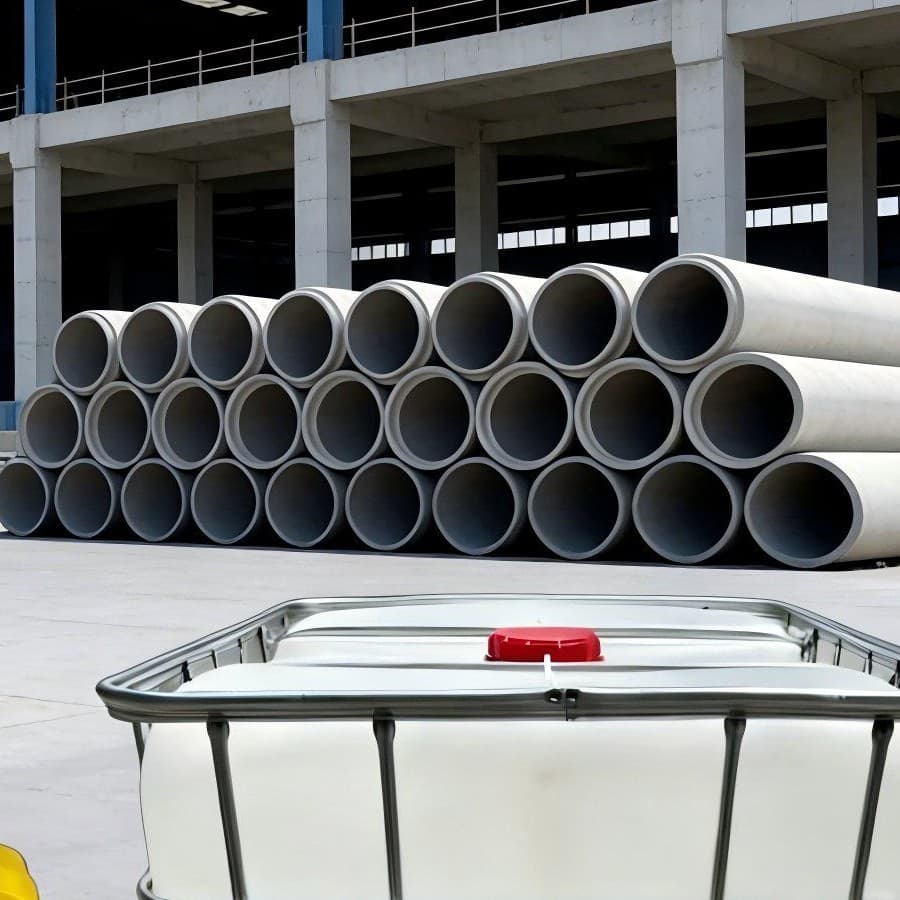
Cement, aggregate fines, pigment and admixture batches must be traceable.
Moisture correction and workability changes affect shade and surface density.
Residue, rust, absorption and release-agent film change appearance.
Temperature, humidity and drying speed can shift color.
Rain, sun, supports and runoff can mark finished elements.
Samples, lighting and viewing distance make acceptance consistent.
Production context
Color difference usually comes from variation in materials, moisture, mold condition, curing and finishing timing rather than one single cause.
Where this applies
- color planning and comparison
- surface finish planning and comparison
- quality planning and comparison
Engineering variables
- Control cement, pigment and aggregate sources.
- Stabilize water content and mixing time.
- Keep mold surfaces consistent.
- Control curing temperature and moisture.
System interfaces
- Compare process records between good and poor panels.
- Ask suppliers about release agent and curing compatibility.
- Review batching tolerances.
Production evidence checklist
| Production variable | Why it matters in production | Records or evidence to inspect | Interface risk |
|---|---|---|---|
| Raw material consistency | Controls cement color, aggregate fines, pigment, admixture reaction and batch-to-batch appearance. | Cement source, aggregate moisture/fines, pigment batch, admixture batch and material change record. | Color shifts often follow material changes that are not recorded as visual-quality variables. |
| Water and workability control | Links water-cement ratio, moisture correction, bleeding, surface density and shade variation. | Moisture probe data, batch water, slump or flow, mixer time and rejected surface photos. | Adding water to help casting can create color and surface differences that appear after demolding. |
| Mold surface and release agent | Connects mold cleanliness, oil film, residue, absorption and release chemistry to final appearance. | Mold face photos, release-agent type, application rate, cleaning record and trial panel comparison. | Uneven release-agent application can look like concrete color failure. |
| Curing and temperature exposure | Controls hydration speed, surface drying, efflorescence tendency and visible panel differences. | Curing method, temperature log, humidity, wind/sun exposure, demolding age and storage condition. | Identical mixes can look different when curing heat, humidity or drying speed differs. |
| Inspection lighting and acceptance | Defines how color is judged, photographed, repaired and accepted for architectural or facade elements. | Viewing distance, lighting condition, sample panel, photo standard, accepted repair method and tolerance. | Without a viewing rule, color discussion becomes subjective and difficult to resolve. |
Technical references
Original sources and related manuals
Open the governing standard record, original process source or related product manual for the underlying scope and terminology.
Use this reference when color variation is connected to mold face, residue or release-agent film.
Open process referencePRECAST.WORLDCuring compound manualUse this reference when surface appearance is connected to curing method and application timing.
Open process referencePRECAST.WORLDRepair mortar manualUse this reference when accepted color repair and finish matching are part of quality control.
Open process referenceFUCHSConcrete release-agent application guideManufacturer application reference for release-agent preparation, application rate, surface condition and finish evidence.
Open process referenceWeak assumptions seen in projects
- Changing raw materials without records.
- Overusing release agent.
- Mixing panels from different curing conditions on one facade.
Inspection and acceptance points
- Raw material variation.
- Moisture unstable.
- Molds inconsistently cleaned.
- Curing temperatures vary.
FAQ
What is the first decision to make for how to reduce color difference in precast concrete?
Start with product type, target capacity and local requirements. These inputs shape equipment, mold, material and quality-control choices.
What information should be prepared before speaking with suppliers?
Prepare drawings, target output, local standards, installation limits, available utilities, budget range and the questions you need answered.
Need to frame the technical context?
Send product type, capacity target, standards, drawings, photos or quality issues. PRECAST.WORLD will turn them into clearer technical notes for the next discussion.