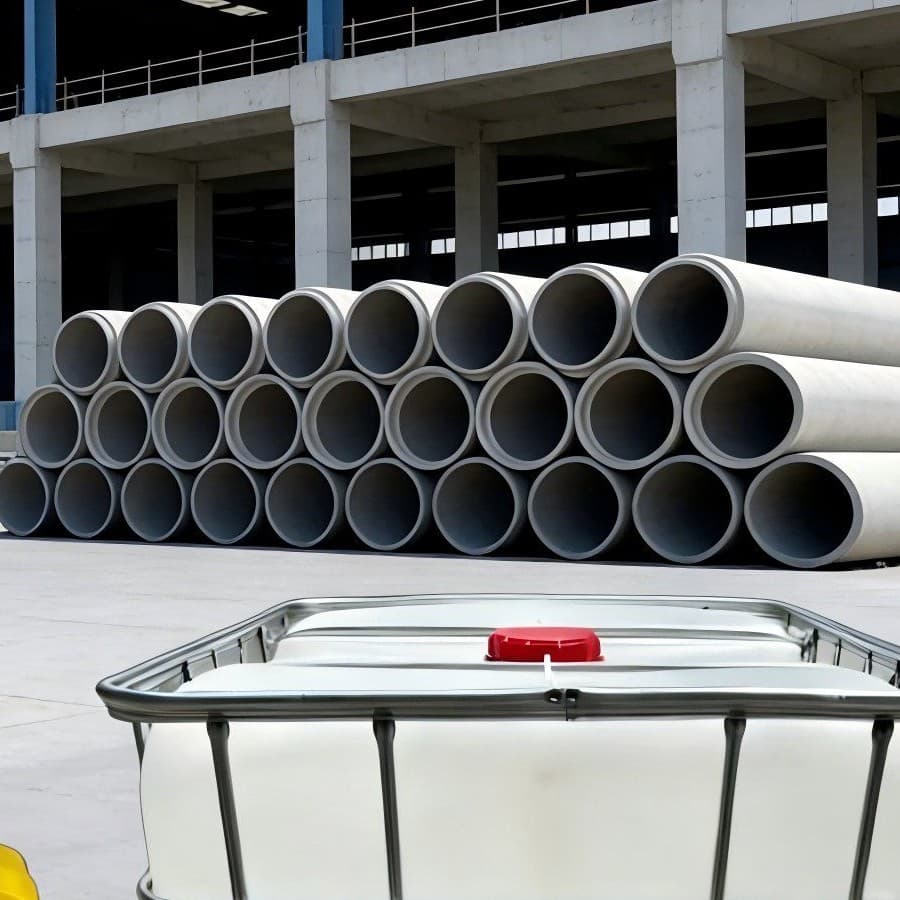
Admixtures
Release Agent
A mold-face treatment that separates hardened concrete from steel, timber or polymer formwork while influencing surface finish, cleanup and mold protection.
Release Agent should be selected around mold material, concrete finish, application rate. Confirm use conditions, records and supplier data before comparing options.
Release agent creates a controlled separating layer between concrete and mold. The wrong type can cause staining, dusting or poor surface finish.
- Steel molds
- Plywood forms
- Plastic forms
- Architectural panels
- Mold material
- Concrete finish
- Application rate
- VOC requirements
Product photographs
Product form, interfaces and production context
The views below show the product itself together with relevant handling, installation or production interfaces.
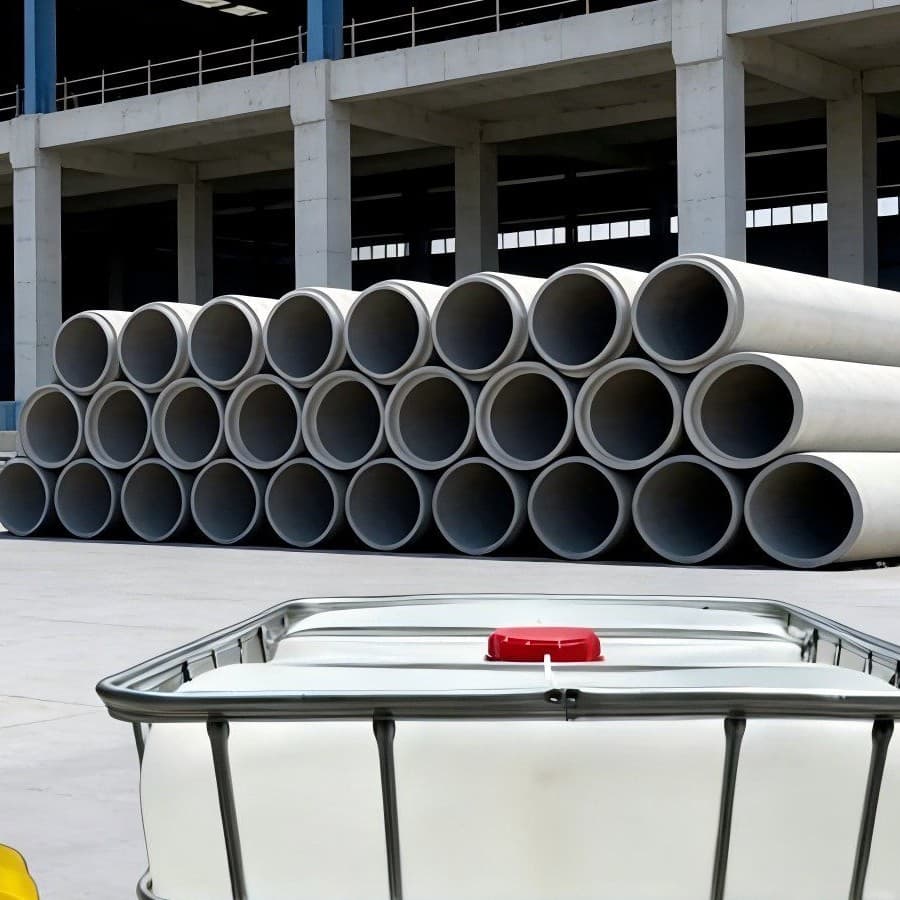
Primary product view
A mold-face treatment that separates hardened concrete from steel, timber or polymer formwork while influencing surface finish, cleanup and mold protection.
Overall product view showing the form and principal interfaces.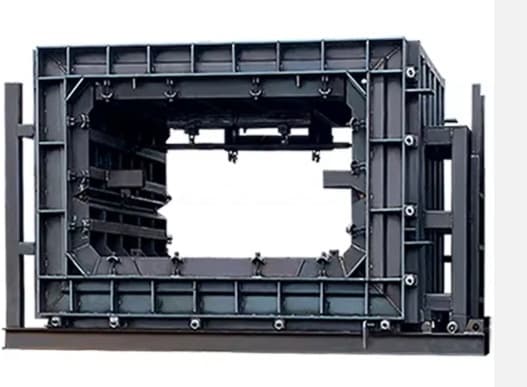
Steel mold finish interface
Release agent should be checked on the actual mold face and finish class, not only by product datasheet.
Use as a mold-surface reference. For release agent, check this interface with adjacent equipment, handling sequence and inspection records.
Repair mortar after defects
Poor release practice can lead to surface repair work; accepted repair method should be known before production.
Use as a downstream defect-control reference. For release agent, check this interface with adjacent equipment, handling sequence and inspection records.Process references
Use this article to connect release agent with production variables, field evidence and interface checks.
Open process referencePRECAST.WORLDHow to Reduce Color Difference in Precast ConcreteUse this article to connect release agent with production variables, field evidence and interface checks.
Open process referencePRECAST.WORLDCuring Compound manualUse this manual when release agent depends on curing compound selection, handling or inspection.
Open process referenceFUCHSConcrete release-agent application guideManufacturer application reference for release-agent preparation, application rate, surface condition and finish evidence.
Open process referenceTechnical references
Standards context for Release Agent
These references identify where a technical review often starts. They are not a declaration of compliance, product approval or a replacement for the adopted project code.
Common rules for precast concrete products
Common requirements for precast concrete product standards, including basic performance and conformity-assessment context.
Use it as a common precast reference only. A product-specific standard and the project's adopted national rules take precedence.View standard recordField notes
Release Agent operating variables
Release Agent should be selected around mold material, concrete finish, application rate. Confirm use conditions, records and supplier data before comparing options.
Parameters to verify
- Mold material
- Concrete finish
- Application rate
- VOC requirements
Records and inputs
- Mold material
- Concrete mix
- Finish requirement
- Application method
Failure modes to watch
- Applying too much material.
- Switching products without surface tests.
- Ignoring cold-weather storage behavior.
Main types
- Oil-based
- Water-based
- Emulsion
- Reactive release agent
- Biodegradable release agent
Key specifications
- Mold material
- Concrete finish
- Application rate
- VOC requirements
- Storage stability
Technical interface matrix
Read the product through application, geometry, production interface and acceptance evidence before comparing catalog data, drawings or technical offers.
| Area | Variables to check | Evidence normally needed | Interface risk |
|---|---|---|---|
| Application fit | Steel molds; Plywood forms; Plastic forms | Mold material; Concrete mix | Applying too much material. |
| Type and geometry | Oil-based; Water-based; Emulsion; Reactive release agent | Mold material; Concrete mix; Finish requirement | Switching products without surface tests. |
| Production interface | Match the agent to mold material and desired finish.; Run small surface tests before plant-wide use.; Check spraying method and operator safety. | Finish requirement; Application method; Local environmental rules | Ignoring cold-weather storage behavior. |
| Inspection and acceptance | Application rate; VOC requirements; Storage stability | Application method; Local environmental rules; Applying too much material.; Switching products without surface tests. | Applying too much material. |
Technical selection variables
- Match the agent to mold material and desired finish.
- Run small surface tests before plant-wide use.
- Check spraying method and operator safety.
- Compare coverage rate, not just drum price.
Project interfaces and failure modes
- Applying too much material.
- Switching products without surface tests.
- Ignoring cold-weather storage behavior.
Drawings and field data normally required
- Mold material
- Concrete mix
- Finish requirement
- Application method
- Local environmental rules
Inspection and interface points
- Applying too much material.
- Switching products without surface tests.
- Ignoring cold-weather storage behavior.
FAQ
What should be checked before comparing release agents?
Confirm the element type, production capacity, local standard, installation condition and maintenance capability first. Price comparison is weak when these basics are unclear.
Can PRECAST.WORLD organize technical evidence for this topic?
Yes. The goal is to organize production variables, drawings, photos, records and interface questions so the next technical discussion starts from evidence instead of assumptions.
Ask the technical desk about release agent
Send product type, capacity target, standards, drawings, photos or quality issues. PRECAST.WORLD will turn them into clearer technical notes for the next discussion.