Troubleshooting
Why Precast Concrete Strength Is Not Stable
A practical checklist for unstable concrete strength in daily precast production.
Technical summary
Unstable strength is often a system issue: material moisture, batching accuracy, mixing, temperature, curing and testing practice all interact.
Field notes
Why Precast Concrete Strength Is Not Stable operating variables
Unstable strength is often a system issue: material moisture, batching accuracy, mixing, temperature, curing and testing practice all interact.
Parameters to verify
- Check aggregate moisture and batching calibration.
- Review mixing time and sequence.
- Control curing temperature.
- Verify sampling and testing method.
Records and inputs
- Mix design
- Batch records
- Curing logs
- Test results
Failure modes to watch
- Moisture correction weak.
- Scales not calibrated.
- Curing inconsistent.
Visual workflow
Strength stability as batch-to-cure trace
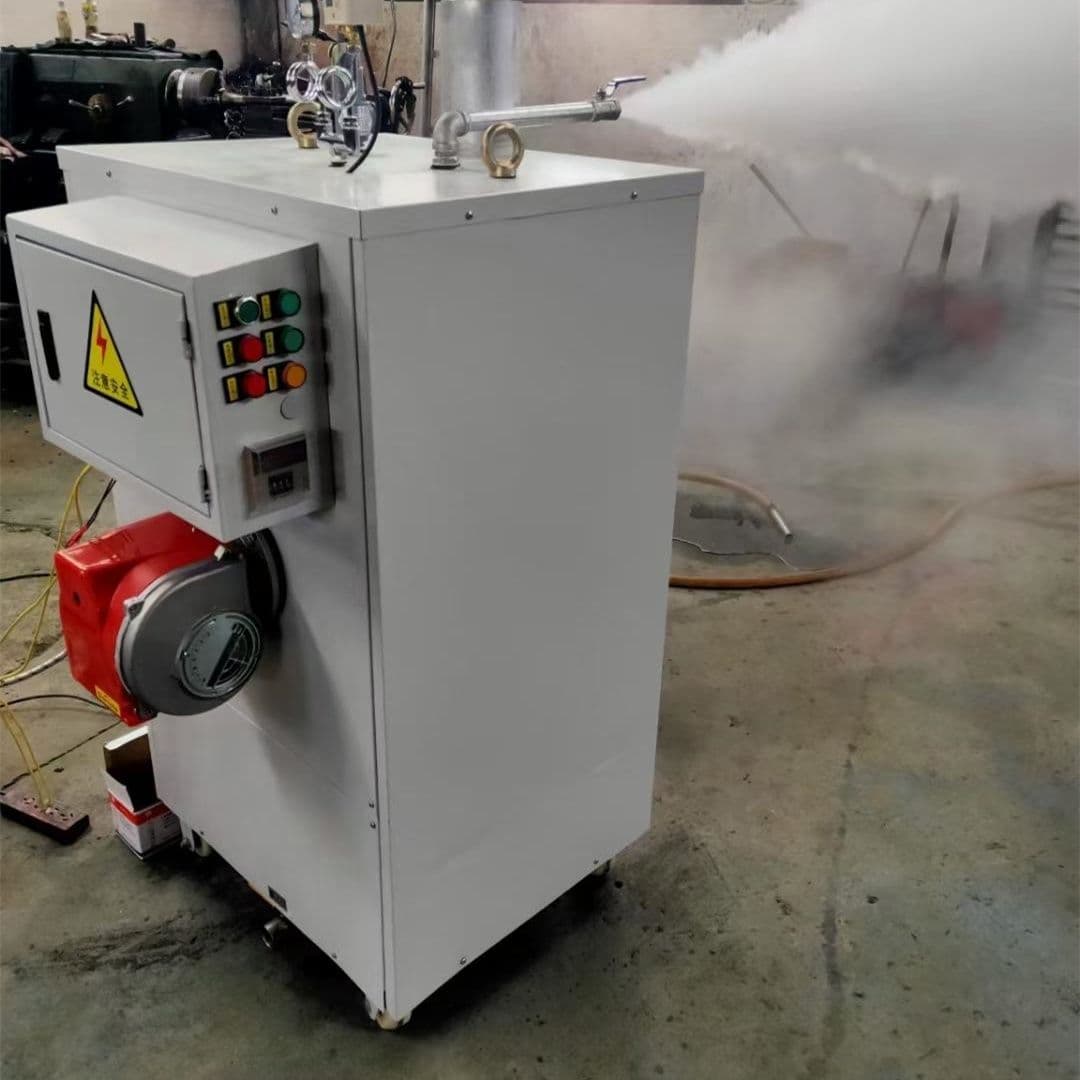
Stable strength needs linked records from batching moisture, material batches, mixing, curing temperature, sampling and test method. Supporting visual: precast laboratory equipment as the related product or interface reference for this workflow.

Moisture and weighing define the real mix.
Cement and admixture interaction changes setting and strength.
Workability and compaction affect specimens and elements.
Temperature history controls early and later strength.
Specimen method and calibration must be consistent.
Element records connect results to production causes.
Production context
Unstable strength is often a system issue: material moisture, batching accuracy, mixing, temperature, curing and testing practice all interact.
Where this applies
- strength planning and comparison
- quality control planning and comparison
- concrete planning and comparison
Engineering variables
- Check aggregate moisture and batching calibration.
- Review mixing time and sequence.
- Control curing temperature.
- Verify sampling and testing method.
System interfaces
- Compare strength records with production conditions.
- Ask whether the lab can detect problems early.
- Review mixer wear and weighing accuracy.
Production evidence checklist
| Production variable | Why it matters in production | Records or evidence to inspect | Interface risk |
|---|---|---|---|
| Batching moisture control | Controls effective water-cement ratio, workability, strength scatter and surface variation. | Moisture probe data, aggregate moisture, batch water, mixer records and slump/flow results. | Unstable moisture can look like cement or admixture problems. |
| Cement and admixture interaction | Tracks setting, strength gain, workability retention and seasonal sensitivity. | Cement source, SCM content, admixture batch, dosage record and trial curve. | A small material change can shift strength even when the mix name is unchanged. |
| Curing temperature | Controls hydration rate, release strength, prestress transfer and later strength development. | Temperature log, curing method, product thickness, demolding age and strength by time. | Strength instability often follows uncontrolled curing rather than mix design alone. |
| Sampling and testing method | Makes strength data comparable across shifts, products and curing conditions. | Specimen method, compaction, curing of samples, test age, machine calibration and operator record. | Bad testing practice creates fake strength variation and wrong process decisions. |
| Process records | Connects every strength result to batch, product, operator, curing zone and defect history. | Element ID, batch record, curing log, test result, repair record and delivery batch. | Without traceability, the plant cannot find whether variation is material, curing or testing. |
Technical references
Original sources and related manuals
Open the governing standard record, original process source or related product manual for the underlying scope and terminology.
Use this manual to connect moisture, weighing and mix traceability.
Open process referencePRECAST.WORLDSteam curing system manualUse this reference when strength variation follows curing temperature.
Open process referencePRECAST.WORLDPrecast laboratory equipment manualUse this reference when testing method and calibration affect strength evidence.
Open process referenceFUCHSConcrete release-agent application guideManufacturer application reference for release-agent preparation, application rate, surface condition and finish evidence.
Open process referenceWeak assumptions seen in projects
- Changing water at the mixer without recording.
- Testing inconsistently.
- Ignoring seasonal temperature changes.
Inspection and acceptance points
- Moisture correction weak.
- Scales not calibrated.
- Curing inconsistent.
- Sampling method poor.
FAQ
What is the first decision to make for why precast concrete strength is not stable?
Start with product type, target capacity and local requirements. These inputs shape equipment, mold, material and quality-control choices.
What information should be prepared before speaking with suppliers?
Prepare drawings, target output, local standards, installation limits, available utilities, budget range and the questions you need answered.
Need to frame the technical context?
Send product type, capacity target, standards, drawings, photos or quality issues. PRECAST.WORLD will turn them into clearer technical notes for the next discussion.