Equipment
Mixer Wear Parts
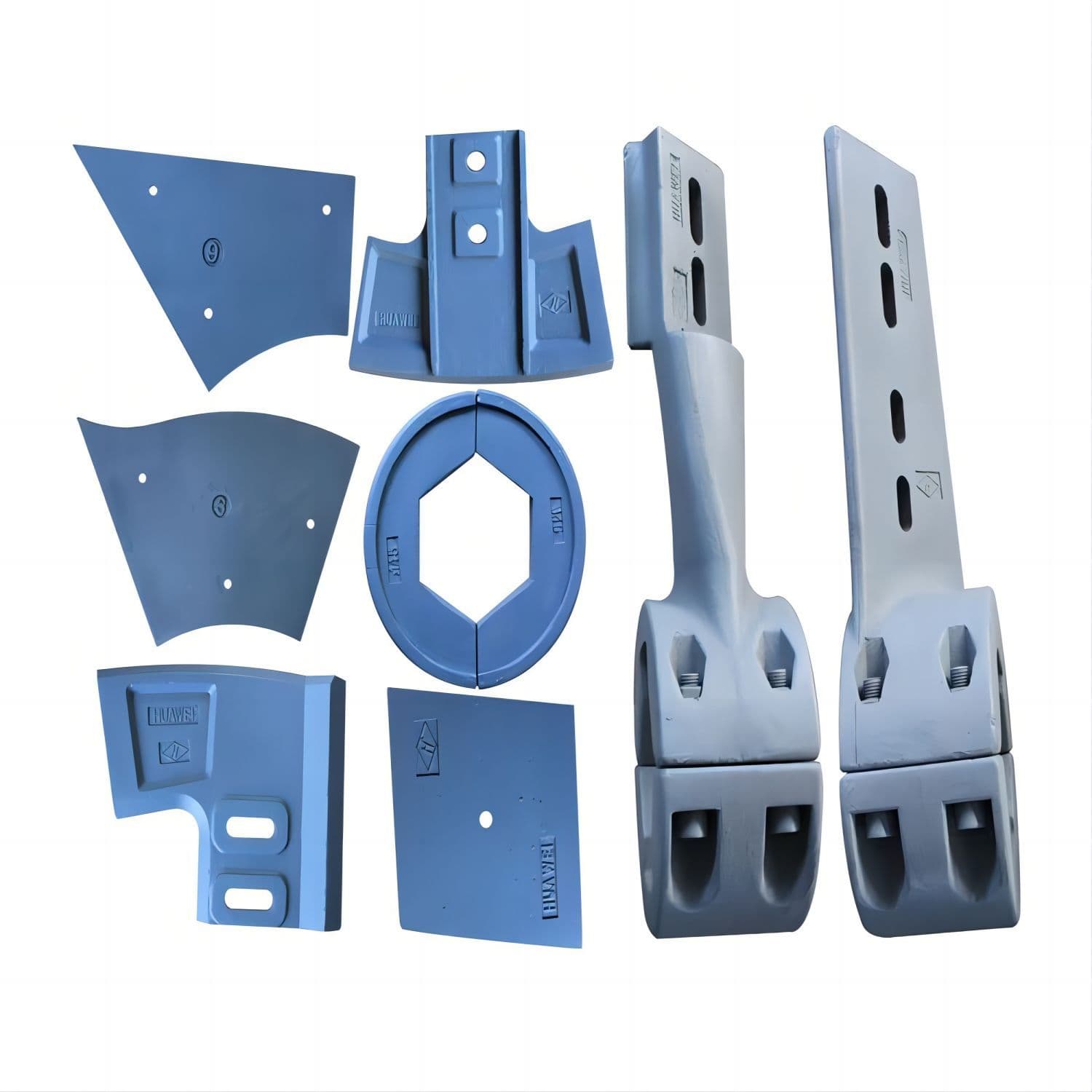
Replaceable liners, paddles, scrapers and discharge components that protect a concrete mixer and preserve the intended mixing action as abrasive wear develops.
Mixer Wear Parts should be selected around mixer model, material hardness, part geometry. Confirm use conditions, records and supplier data before comparing options.
Mixer wear parts are consumable components exposed to abrasion. Their condition affects mixing time, uniformity and maintenance downtime.
- Planetary mixers
- Twin-shaft mixers
- Pan mixers
- Batching plants
- Mixer model
- Material hardness
- Part geometry
- Bolt pattern
Product photographs
Product form, interfaces and production context
The views below show the product itself together with relevant handling, installation or production interfaces.
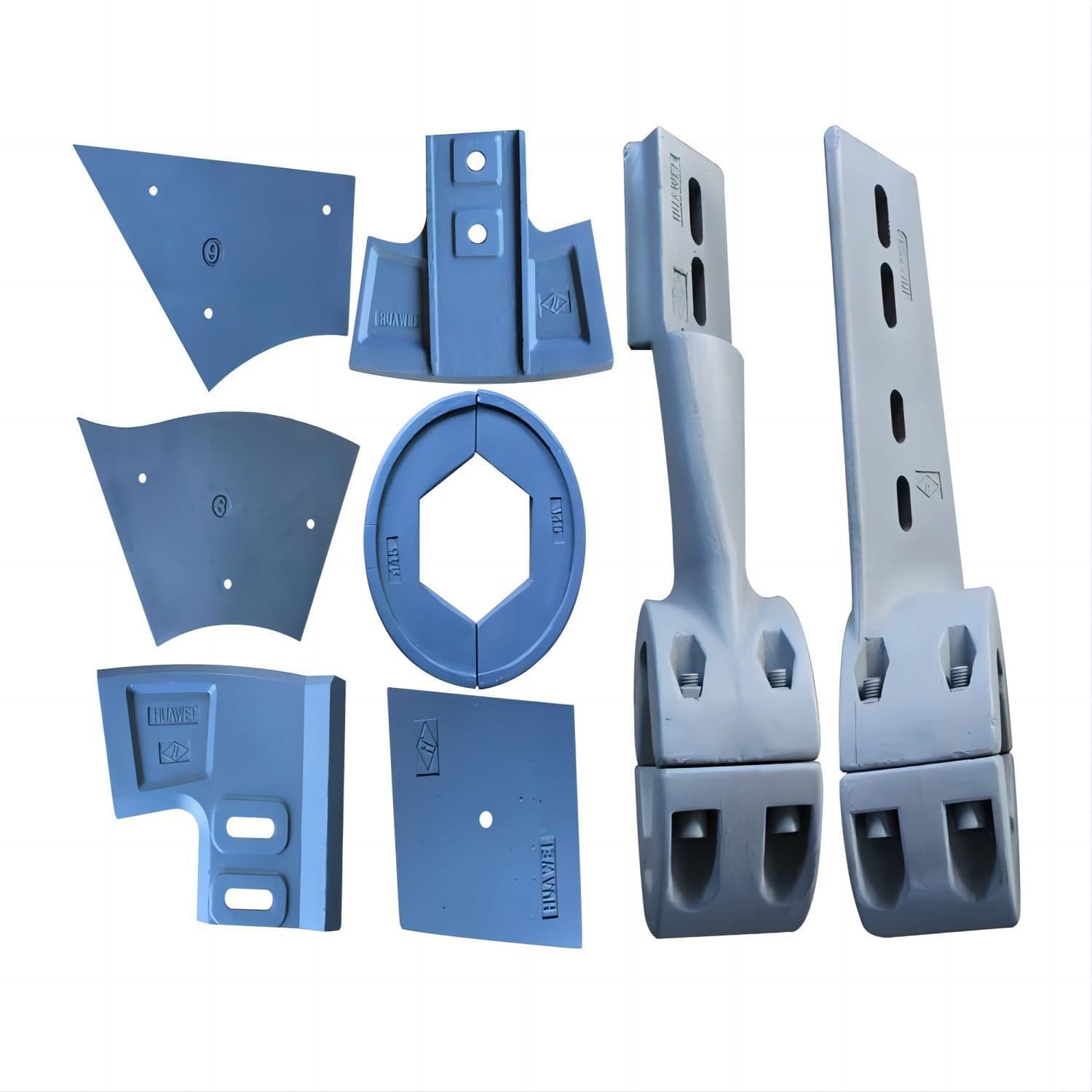
Primary product view
Replaceable liners, paddles, scrapers and discharge components that protect a concrete mixer and preserve the intended mixing action as abrasive wear develops.
Overall product view showing the form and principal interfaces.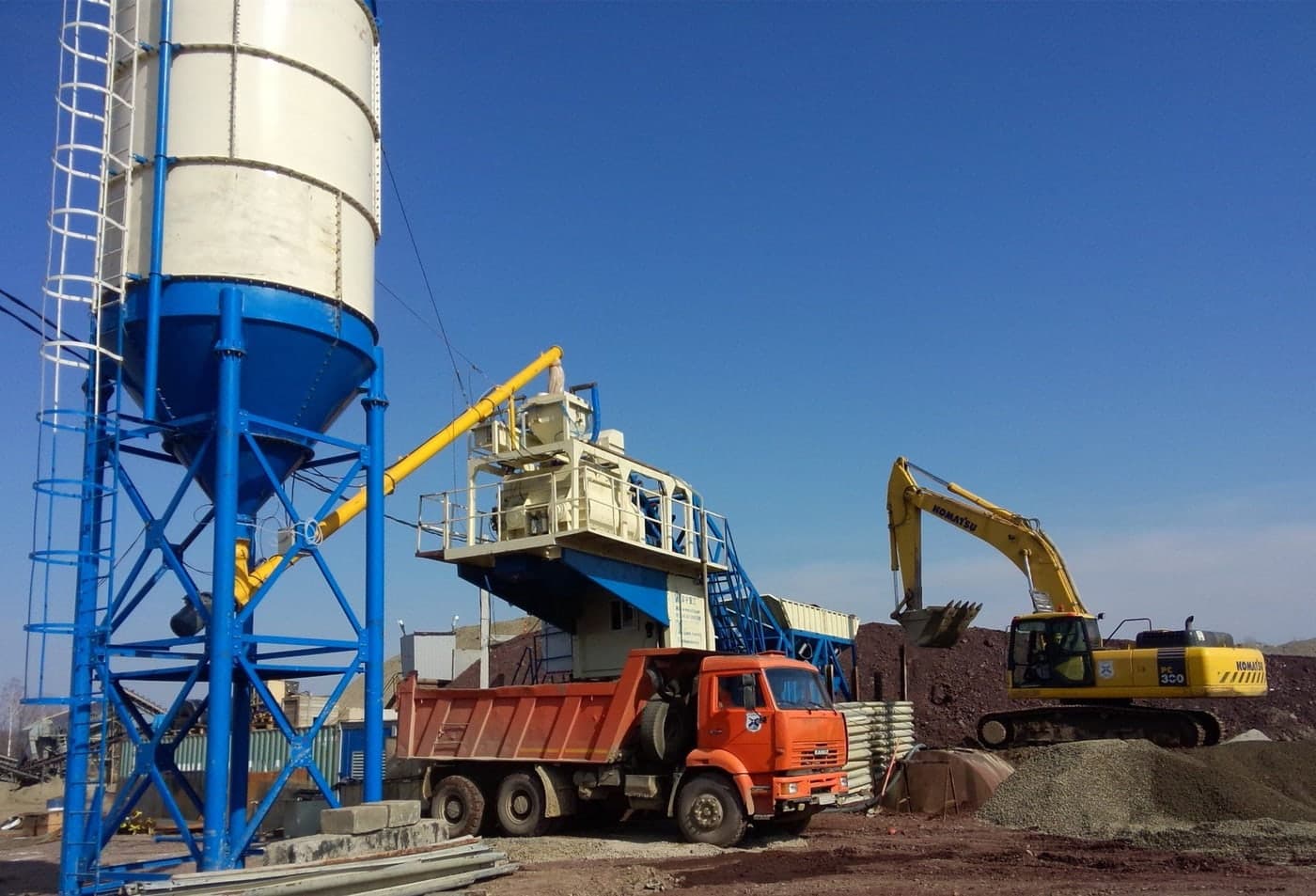
Batching plant interface
Mixer wear affects batching consistency, discharge time, cleaning workload and concrete quality records.
Use as the upstream equipment interface reference.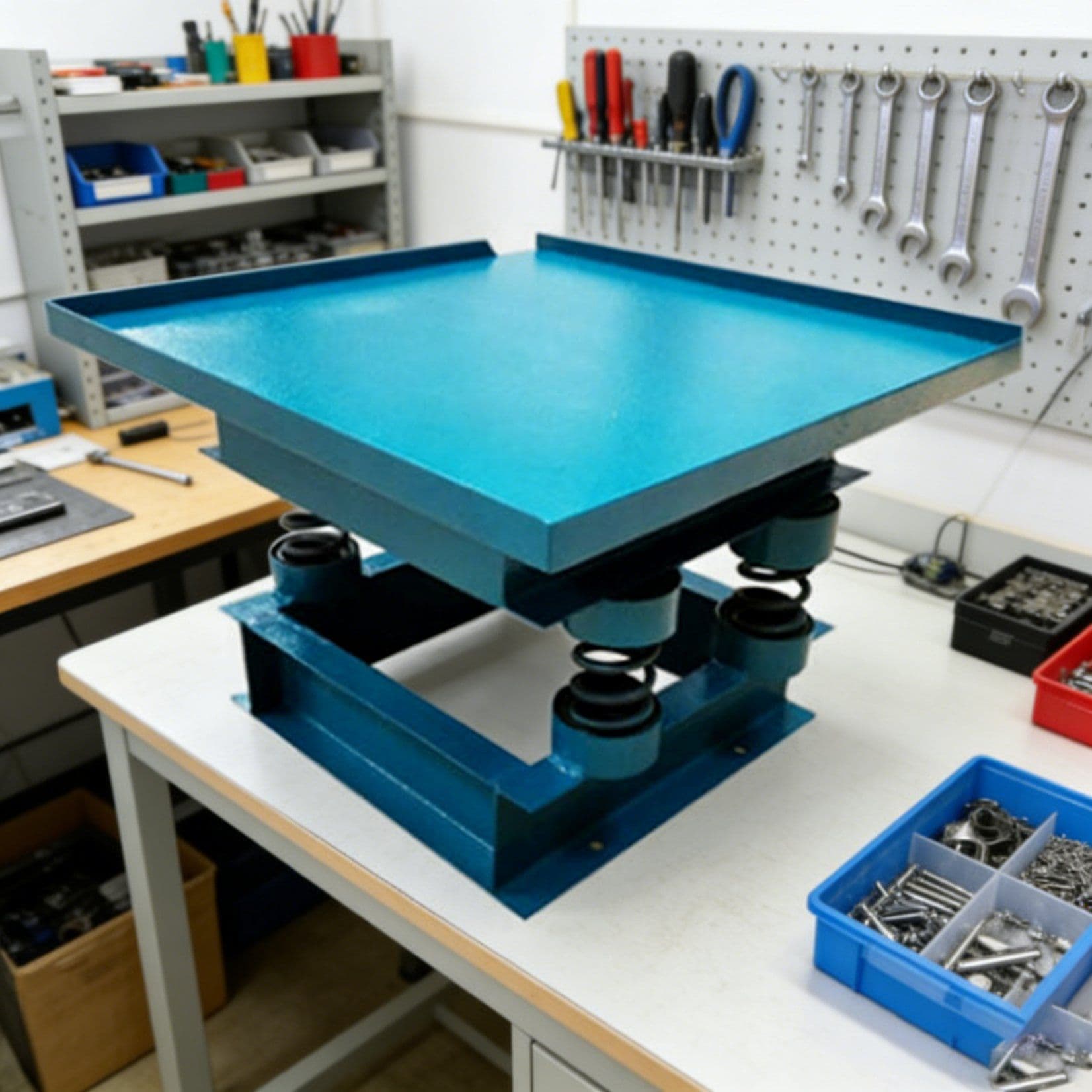
Lab feedback loop
Changes in wear condition should show up in workability, uniformity and strength records.
Use as the quality-control interface reference.Process references
Use this manual to connect mixer wear parts with batching accuracy and concrete delivery rhythm.
Open process referencePRECAST.WORLDFactory equipment list articleUse this article to keep wear parts and maintenance tools inside the first equipment budget.
Open process referenceVollert Precast SolutionsPallet transport and circulation technologyExternal process reference for pallet movement, turning, storage, station interfaces and factory-control scope.
Open process referenceVollert Precast SolutionsPallet circulation system for walls and floorsSpecific process reference for casing pallets, station-to-station circulation, shuttering, concrete spreading, turning, loading and lifting.
Open process referenceVollert Precast SolutionsProduction control systemSpecific process reference for production sequencing, pallet assignment, circulation visualization, subsystem control and fault records.
Open process referenceWeiler GmbHPrecast plant, batching and concrete transport systemsOfficial manufacturer overview for batching, mixer, concrete delivery, prestressed production and plant-handling interfaces.
Open process referenceApollo Afinitas TechnologiesConcrete pipe, manhole and box-culvert plant equipmentOfficial manufacturer overview for pipe and infrastructure product lines, molds, cage welding, curing and handling equipment.
Open process referenceTechnical references
Standards context for Mixer Wear Parts
These references identify where a technical review often starts. They are not a declaration of compliance, product approval or a replacement for the adopted project code.
Common rules for precast concrete products
Common requirements for precast concrete product standards, including basic performance and conformity-assessment context.
Use it as a common precast reference only. A product-specific standard and the project's adopted national rules take precedence.View standard recordBuilding Code Requirements for Structural Concrete
Structural concrete requirements for design and detailing in jurisdictions that adopt ACI 318.
A design-code reference, not a product approval or a substitute for the governing project code and engineer's drawings.View standard recordField notes
Mixer Wear Parts operating variables
Mixer Wear Parts should be selected around mixer model, material hardness, part geometry. Confirm use conditions, records and supplier data before comparing options.
Parameters to verify
- Mixer model
- Material hardness
- Part geometry
- Bolt pattern
Records and inputs
- Mixer brand and model
- Part number
- Photos and dimensions
- Concrete mix abrasiveness
Failure modes to watch
- Ordering from photos without dimensions.
- Mixing incompatible blade sets.
- Waiting until failure stops production.
Main types
- Liners
- Mixing arms
- Blades
- Scrapers
- Discharge door seals
Key specifications
- Mixer model
- Material hardness
- Part geometry
- Bolt pattern
- Expected service life
Technical interface matrix
Read the product through application, geometry, production interface and acceptance evidence before comparing catalog data, drawings or technical offers.
| Area | Variables to check | Evidence normally needed | Interface risk |
|---|---|---|---|
| Application fit | Planetary mixers; Twin-shaft mixers; Pan mixers | Mixer brand and model; Part number | Ordering from photos without dimensions. |
| Type and geometry | Liners; Mixing arms; Blades; Scrapers | Mixer brand and model; Part number; Photos and dimensions | Mixing incompatible blade sets. |
| Production interface | Start from exact mixer model and part drawings.; Compare material and casting quality, not only weight.; Keep a minimum spare set on site. | Photos and dimensions; Concrete mix abrasiveness; Annual consumption | Waiting until failure stops production. |
| Inspection and acceptance | Part geometry; Bolt pattern; Expected service life | Concrete mix abrasiveness; Annual consumption; Ordering from photos without dimensions.; Mixing incompatible blade sets. | Ordering from photos without dimensions. |
Technical selection variables
- Start from exact mixer model and part drawings.
- Compare material and casting quality, not only weight.
- Keep a minimum spare set on site.
- Track wear intervals to plan reorder timing.
Project interfaces and failure modes
- Ordering from photos without dimensions.
- Mixing incompatible blade sets.
- Waiting until failure stops production.
Drawings and field data normally required
- Mixer brand and model
- Part number
- Photos and dimensions
- Concrete mix abrasiveness
- Annual consumption
Inspection and interface points
- Ordering from photos without dimensions.
- Mixing incompatible blade sets.
- Waiting until failure stops production.
FAQ
What should be checked before comparing mixer wear parts?
Confirm the element type, production capacity, local standard, installation condition and maintenance capability first. Price comparison is weak when these basics are unclear.
Can PRECAST.WORLD organize technical evidence for this topic?
Yes. The goal is to organize production variables, drawings, photos, records and interface questions so the next technical discussion starts from evidence instead of assumptions.
Ask the technical desk about mixer wear parts
Send product type, capacity target, standards, drawings, photos or quality issues. PRECAST.WORLD will turn them into clearer technical notes for the next discussion.