Factory Setup
Precast Factory Equipment List
Core equipment groups to map when planning a first precast plant.
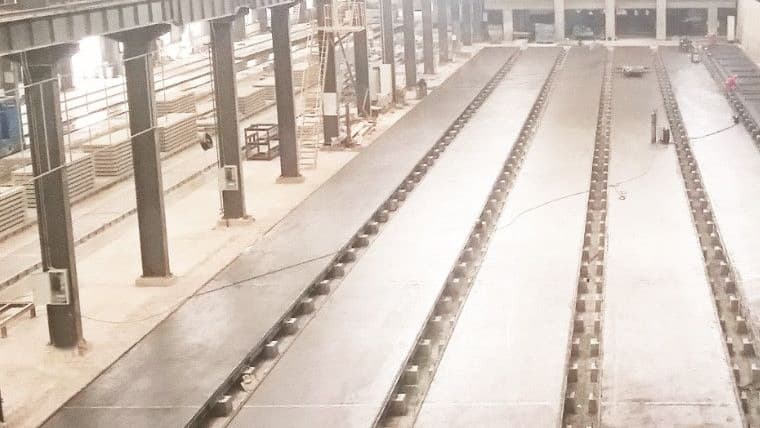
Technical summary
Build the equipment list in layers: must-have production equipment, product-dependent molds and lines, optional automation, quality lab, yard logistics and maintenance spares.
Field notes
Precast Factory Equipment List operating variables
Build the equipment list in layers: must-have production equipment, product-dependent molds and lines, optional automation, quality lab, yard logistics and maintenance spares.
Parameters to verify
- Separate must-have equipment from product-dependent equipment.
- Include cranes, storage racks, lifting gear and yard logistics.
- Add quality lab equipment early.
- Keep spare parts and maintenance tools in the first budget.
Records and inputs
- Product list
- Capacity target
- Plant layout
- Utility limits
Failure modes to watch
- Unclear capacity basis.
- Missing handling equipment.
- No spare part plan.
Visual workflow
Equipment list as production system
Read equipment by workflow layer: product route, concrete supply, forming, reinforcement, curing, handling, QC and maintenance.
Finished product family decides molds, beds, line type and handling equipment.
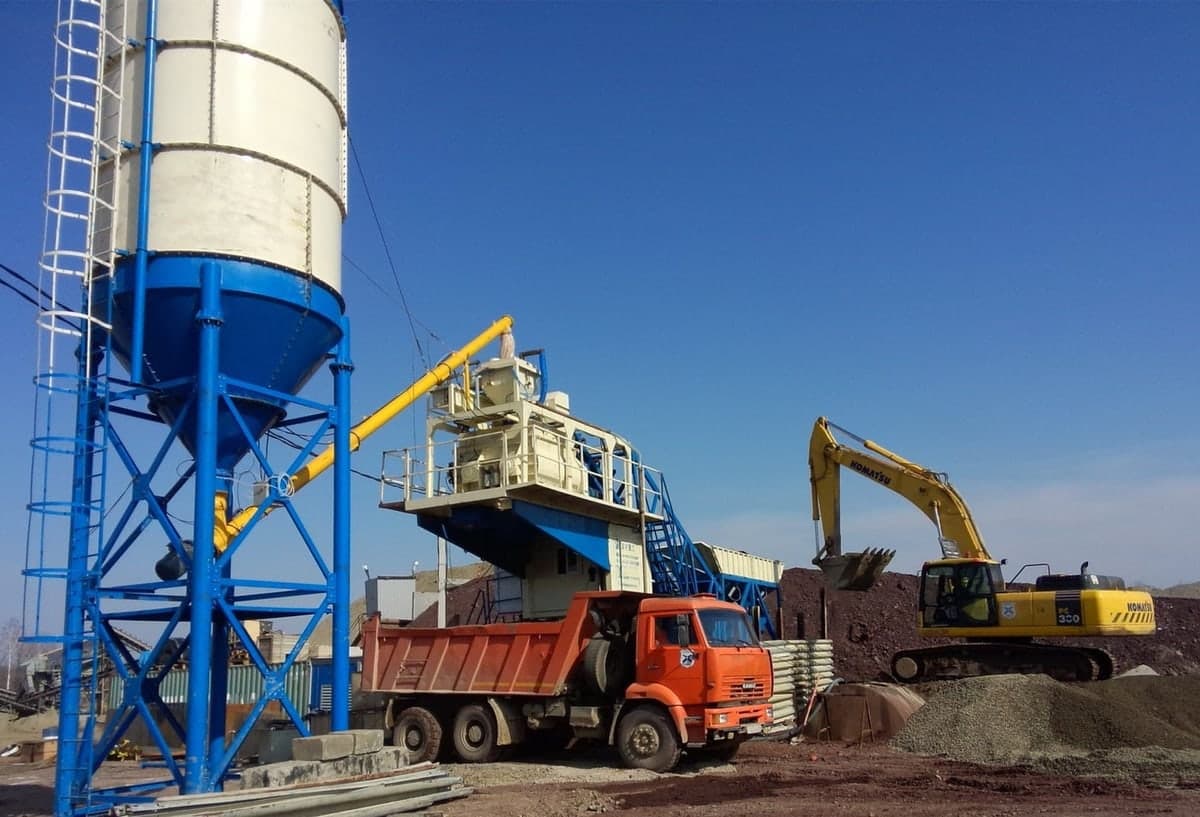
Batching, transport, distributor and washout must feed casting without interruption.
Tables, molds, magnetic systems and vibration define shape, cycle and tolerance.
Curing capacity sets release rhythm and controls early-strength variation.
Cranes, racks, lifting devices and yard route protect output after casting.
Lab records and maintenance parts keep the plant usable after commissioning.
Production context
A useful equipment list groups machines by function: batching, reinforcement, molds, casting, curing, lifting, storage, quality control and maintenance.
Where this applies
- Factory budget planning
- Equipment comparison
- Plant upgrade scope
- Procurement checklist
Engineering variables
- Separate must-have equipment from product-dependent equipment.
- Include cranes, storage racks, lifting gear and yard logistics.
- Add quality lab equipment early.
- Keep spare parts and maintenance tools in the first budget.
System interfaces
- Compare complete workflows, not isolated machines.
- Ask which equipment is optional for the first operating year.
- Review commissioning, operator training and spare-part packages.
Production evidence checklist
| Production variable | Why it matters in production | Records or evidence to inspect | Interface risk |
|---|---|---|---|
| Product route | Separates wall panels, hollow core slabs, piles, pipes, poles and custom molds before equipment names are listed. | Target product list, drawings, output range, product weight, repetition and local acceptance standard. | A generic equipment list creates missing scope because each product family needs different molds, handling and curing. |
| Concrete supply | Connects batching, mixer discharge, concrete distributor, buckets, vibration and washout logistics. | Mix designs, batch size, transport distance, discharge method, cleaning route and fresh-concrete control records. | Casting stations become idle when batching and concrete transport are planned as a separate package. |
| Handling and cranes | Defines hook height, crane span, lifting devices, storage rack layout, truck loading and repair access. | Element weight range, lifting drawings, hall dimensions, yard route, rack layout and dispatch sequence. | A line can produce elements that the plant cannot safely move, store or load at the same rhythm. |
| Quality lab and records | Sets mix control, release strength checks, dimensional inspection and acceptance evidence. | Required tests, lab equipment list, inspection frequency, calibration plan and project documentation requirements. | Without records, factory problems are argued by opinion instead of strength, dimensions and traceable evidence. |
| Maintenance and spares | Keeps conveyors, hydraulics, vibrators, cranes, mixers, pumps and controls available after commissioning. | Wear-part list, critical spares, local service capability, maintenance schedule and operator skill level. | A complete installation can still fail output targets when spare parts and maintenance tools are omitted. |
Technical references
Original sources and related manuals
Open the governing standard record, original process source or related product manual for the underlying scope and terminology.
Use this product manual to connect equipment groups with plant zones, utilities and yard flow.
Open process referencePRECAST.WORLDConcrete batching plant interfaceUse this reference to keep batching, delivery, concrete records and casting rhythm in one scope.
Open process referencePRECAST.WORLDOverhead crane for precastUse this reference to connect element weight, hook height, storage and dispatch to the equipment list.
Open process referenceVollert Precast SolutionsPallet transport and circulation technologyExternal process reference for pallet movement, turning, storage, station interfaces and factory-control scope.
Open process referenceVollert Precast SolutionsPallet circulation system for walls and floorsSpecific process reference for casing pallets, station-to-station circulation, shuttering, concrete spreading, turning, loading and lifting.
Open process referenceVollert Precast SolutionsProduction control systemSpecific process reference for production sequencing, pallet assignment, circulation visualization, subsystem control and fault records.
Open process referenceWeiler GmbHPrecast plant, batching and concrete transport systemsOfficial manufacturer overview for batching, mixer, concrete delivery, prestressed production and plant-handling interfaces.
Open process referenceApollo Afinitas TechnologiesConcrete pipe, manhole and box-culvert plant equipmentOfficial manufacturer overview for pipe and infrastructure product lines, molds, cage welding, curing and handling equipment.
Open process referenceWeak assumptions seen in projects
- Treating the machine list as the whole plant.
- Forgetting cranes and mold cleaning areas.
- Not budgeting testing and maintenance tools.
Inspection and acceptance points
- Unclear capacity basis.
- Missing handling equipment.
- No spare part plan.
- No quality-control plan.
FAQ
What is the first decision to make for precast factory equipment list?
Start with product type, target capacity and local requirements. These inputs shape equipment, mold, material and quality-control choices.
What information should be prepared before speaking with suppliers?
Prepare drawings, target output, local standards, installation limits, available utilities, budget range and the questions you need answered.
Need to frame the technical context?
Send product type, capacity target, standards, drawings, photos or quality issues. PRECAST.WORLD will turn them into clearer technical notes for the next discussion.