Admixtures
Early Strength Admixture for Precast Production
Questions to ask before using early strength admixtures to shorten demolding cycles.
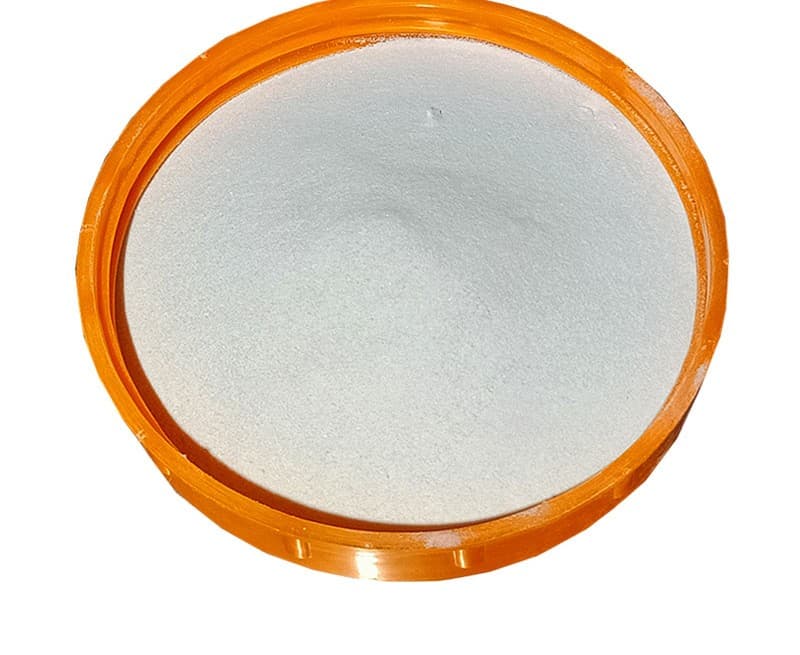
Technical summary
Early strength admixtures can support faster demolding, but they must be balanced with workability, heat development, durability and surface quality.
Field notes
Early Strength Admixture for Precast Production operating variables
Early strength admixtures can support faster demolding, but they must be balanced with workability, heat development, durability and surface quality.
Parameters to verify
- Define the target demolding strength.
- Check cement type and curing temperature.
- Watch workability retention.
- Test durability and surface finish.
Records and inputs
- Mix design
- Target release strength
- Curing temperature
- Cycle target
Failure modes to watch
- Workability drops.
- Heat rises too fast.
- Strength gain inconsistent.
Visual workflow
Early strength as release-decision evidence
Early strength admixture should be read through target release event, mix compatibility, curing temperature, side effects and plant trial records. Supporting visual: curing compound as the related product or interface reference for this workflow.
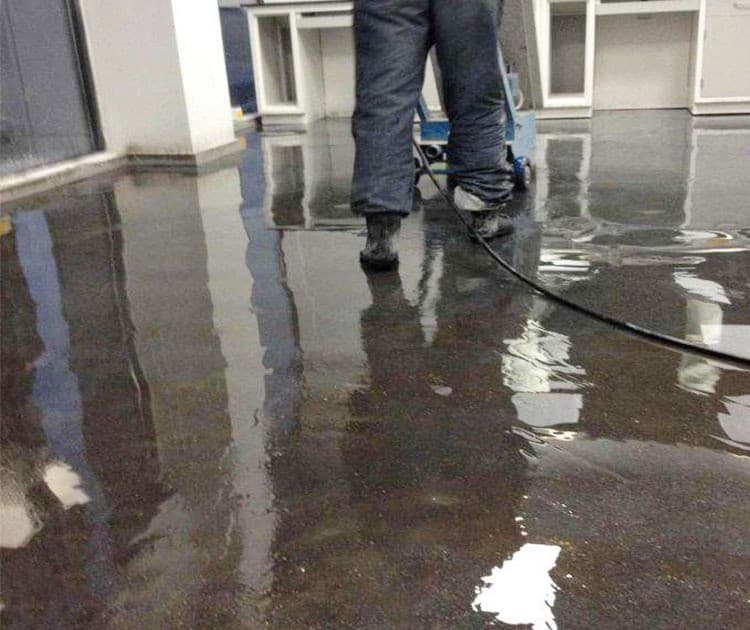
Define demolding, lifting, prestress transfer or cutting strength first.
Check cement, SCM, water reducer and accelerator compatibility.
Temperature and heat curve change early strength more than labels suggest.
Faster set must not harm placing, vibration or finish.
Strength by hour needs plant records, not only lab data.
Change production cycle only after real element evidence.
Production context
Early strength admixtures can support faster demolding, but they must be balanced with workability, heat development, durability and surface quality.
Where this applies
- admixture planning and comparison
- early strength planning and comparison
- cycle time planning and comparison
Engineering variables
- Define the target demolding strength.
- Check cement type and curing temperature.
- Watch workability retention.
- Test durability and surface finish.
System interfaces
- Compare lab and plant trial results.
- Ask about dosage range and side effects.
- Review compatibility with other admixtures.
Production evidence checklist
| Production variable | Why it matters in production | Records or evidence to inspect | Interface risk |
|---|---|---|---|
| Release-strength target | Defines demolding, lifting, prestress transfer, cutting and storage timing before admixture selection. | Target MPa/psi, element type, lifting method, demolding age, prestress release rule and test method. | Early strength is useful only if it matches the actual handling or prestressing event. |
| Cement and admixture compatibility | Controls acceleration behavior, slump retention, setting time, heat development and later strength. | Cement type, SCM content, admixture combination, dosage ladder, temperature and lab trial curve. | The same accelerator can behave differently with another cement, water reducer or temperature. |
| Curing temperature | Connects accelerator effect with steam, enclosure, ambient climate and seasonal production. | Temperature log, curing method, product thickness, ramp rate, hold time and strength curve. | Admixture can be blamed when the real variable is low curing temperature or uncontrolled heat. |
| Workability and finish side effects | Checks whether faster setting changes casting time, vibration, surface finish or repair rate. | Slump/flow over time, casting duration, vibration record, finish photos and defect rate after trial. | Shortening demolding time may create placement, finishing or surface defects if workability is lost. |
| Plant trial records | Moves from lab result to real molds, element thickness, operator rhythm and QC acceptance. | Trial batch record, strength tests by hour, demolding photos, lifting record and later strength result. | A lab curve alone is not enough evidence for changing routine production cycles. |
Technical references
Original sources and related manuals
Open the governing standard record, original process source or related product manual for the underlying scope and terminology.
Use this manual to connect accelerator selection with release strength, mix compatibility and trials.
Open process referencePRECAST.WORLDSteam curing system manualUse this reference when early strength depends on temperature, ramp rate and curing records.
Open process referencePRECAST.WORLDPrecast laboratory equipment manualUse this reference to keep demolding and prestress-transfer decisions evidence-based.
Open process referenceFUCHSConcrete release-agent application guideManufacturer application reference for release-agent preparation, application rate, surface condition and finish evidence.
Open process referenceWeak assumptions seen in projects
- Using admixture to compensate for poor curing.
- Skipping plant trials.
- Ignoring temperature sensitivity.
Inspection and acceptance points
- Workability drops.
- Heat rises too fast.
- Strength gain inconsistent.
- Surface finish changes.
FAQ
What is the first decision to make for early strength admixture for precast production?
Start with product type, target capacity and local requirements. These inputs shape equipment, mold, material and quality-control choices.
What information should be prepared before speaking with suppliers?
Prepare drawings, target output, local standards, installation limits, available utilities, budget range and the questions you need answered.
Need to frame the technical context?
Send product type, capacity target, standards, drawings, photos or quality issues. PRECAST.WORLD will turn them into clearer technical notes for the next discussion.