Admixtures
Curing Compound for Precast Concrete
Where curing compound fits in precast production and how to avoid surface or coating problems.
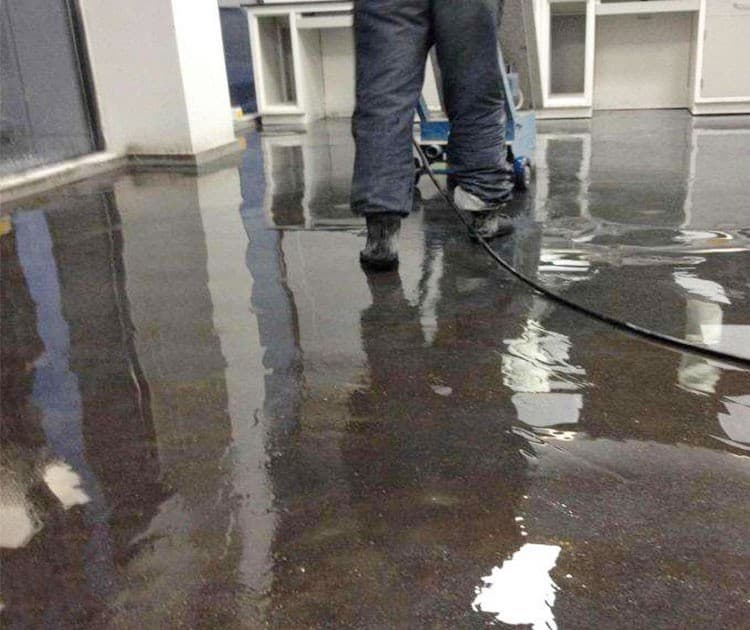
Technical summary
Curing compound helps exposed surfaces retain moisture, especially when covering or water curing is hard to control.
Field notes
Curing Compound for Precast Concrete operating variables
Curing compound helps exposed surfaces retain moisture, especially when covering or water curing is hard to control.
Parameters to verify
- Confirm whether later coating or bonding is planned.
- Apply at the correct timing.
- Check climate exposure.
- Train operators for uniform coverage.
Records and inputs
- Element type
- Surface finish
- Climate
- Later coating plan
Failure modes to watch
- Moisture loss too high.
- Surface discoloration.
- Coating incompatibility.
Visual workflow
Curing compound as surface-protection workflow
Curing compound performance depends on application timing, coverage, finish compatibility, climate and strength evidence. Supporting visual: release agent as the related product or interface reference for this workflow.
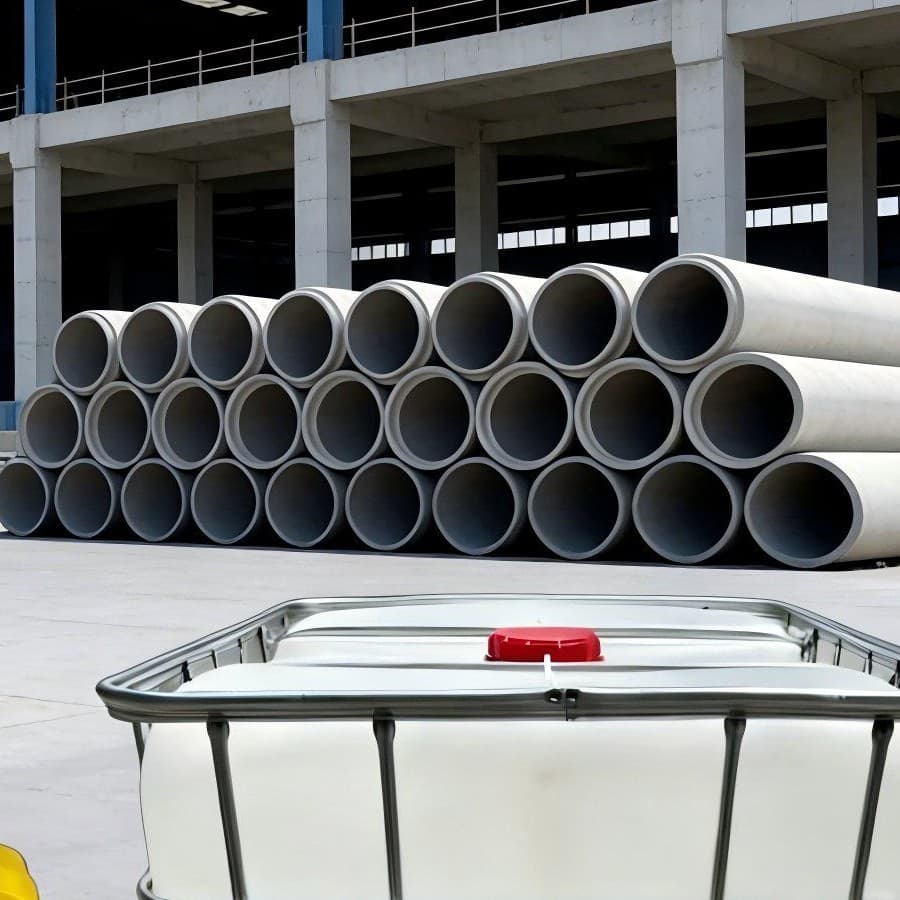
Apply after the surface can accept a membrane without trapping bleed water.
Coverage, nozzle and overlap decide whether protection is continuous.
Later coating or exposed appearance can limit compound choice.
Wind, sun, humidity and temperature change curing demand.
Release decisions need test evidence, not only product use.
Compound, steam, cover and water curing solve different problems.
Production context
Curing compound helps exposed surfaces retain moisture, especially when covering or water curing is hard to control.
Where this applies
- curing planning and comparison
- quality planning and comparison
- surface planning and comparison
Engineering variables
- Confirm whether later coating or bonding is planned.
- Apply at the correct timing.
- Check climate exposure.
- Train operators for uniform coverage.
System interfaces
- Compare water retention performance.
- Ask about compatibility with later finishes.
- Review application rate and equipment.
Production evidence checklist
| Production variable | Why it matters in production | Records or evidence to inspect | Interface risk |
|---|---|---|---|
| Surface moisture window | Defines when curing compound can form a membrane without trapping bleed water or missing protection. | Finishing time, surface condition photos, application time, ambient temperature and wind exposure. | Applying too early or too late creates dusting, weak surface, staining or inconsistent curing. |
| Coverage rate and spray method | Controls membrane continuity, labor speed, product consumption and surface appearance. | Coverage rate, nozzle type, spray distance, overlap method, operator training and wet film checks. | The material may be correct while missed areas, puddles or uneven spray create visible defects. |
| Coating and finish compatibility | Connects curing choice with later painting, sealing, bonding, grinding or architectural finish. | Finish requirement, coating plan, compatibility data, trial panel photos and removal method if needed. | A curing compound can protect strength but still block later coating or leave unacceptable appearance. |
| Climate and curing alternative | Compares compound against covering, water curing, steam, enclosure or combined methods. | Temperature, humidity, wind, sun exposure, product thickness, curing duration and strength records. | One curing method cannot be copied across climates, product thicknesses and finish classes. |
| Strength and shrinkage evidence | Links curing method to release strength, surface quality, cracking tendency and acceptance records. | Strength curve, surface inspection, crack photos, repair records and batch curing log. | Curing is invisible during production until cracks, color variation or low strength appear later. |
Technical references
Original sources and related manuals
Open the governing standard record, original process source or related product manual for the underlying scope and terminology.
Use this manual to check application timing, coverage, finish compatibility and climate limits.
Open process referencePRECAST.WORLDSteam curing system manualUse this reference to compare membrane curing with temperature-controlled curing.
Open process referencePRECAST.WORLDPrecast laboratory equipment manualUse this reference to connect curing choices with strength and surface evidence.
Open process referenceFUCHSConcrete release-agent application guideManufacturer application reference for release-agent preparation, application rate, surface condition and finish evidence.
Open process referenceWeak assumptions seen in projects
- Applying too late.
- Using a compound that blocks later coating.
- Leaving missed areas in wind or heat.
Inspection and acceptance points
- Moisture loss too high.
- Surface discoloration.
- Coating incompatibility.
- Spray coverage uneven.
FAQ
What is the first decision to make for curing compound for precast concrete?
Start with product type, target capacity and local requirements. These inputs shape equipment, mold, material and quality-control choices.
What information should be prepared before speaking with suppliers?
Prepare drawings, target output, local standards, installation limits, available utilities, budget range and the questions you need answered.
Need to frame the technical context?
Send product type, capacity target, standards, drawings, photos or quality issues. PRECAST.WORLD will turn them into clearer technical notes for the next discussion.