News
Low Carbon Concrete in Precast Production
Practical questions around low carbon concrete mixes, curing and factory quality control.
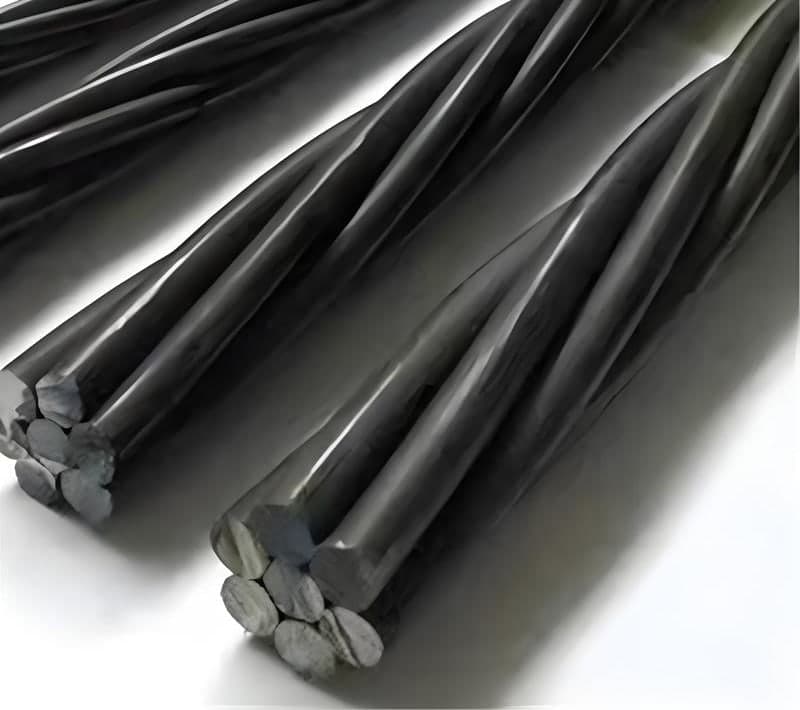
Technical summary
Precast factories can support low carbon concrete through mix optimization, cement replacement, curing control and reduced waste, but strength timing must be protected.
Field notes
Low Carbon Concrete in Precast Production operating variables
Precast factories can support low carbon concrete through mix optimization, cement replacement, curing control and reduced waste, but strength timing must be protected.
Parameters to verify
- Check cement replacement effects on early strength.
- Control curing carefully.
- Measure consistency with lab data.
- Coordinate surface finish expectations.
Records and inputs
- Mix design
- Release strength target
- Local cementitious materials
- Curing method
Failure modes to watch
- Early strength delayed.
- Material supply unstable.
- Surface finish changes.
Visual workflow
Low-carbon precast as mix and evidence loop
Low-carbon precast should be managed as a loop between binder choice, cycle time, curing, testing, carbon records and project approval.
Reduce clinker while protecting strength and durability.
Check workability, finish and early strength in real molds.
Temperature and time affect cycle and carbon trade-offs.
Strength and durability evidence must match the specification.
Batch and material data support carbon claims.
Project standards decide whether the mix can be used.
Production context
Precast factories can support low carbon concrete through mix optimization, cement replacement, curing control and reduced waste, but strength timing must be protected.
Where this applies
- low carbon planning and comparison
- concrete planning and comparison
- trend planning and comparison
Engineering variables
- Check cement replacement effects on early strength.
- Control curing carefully.
- Measure consistency with lab data.
- Coordinate surface finish expectations.
System interfaces
- Compare mixes by embodied carbon and production cycle impact.
- Ask about local material availability.
- Review standards and project acceptance.
Production evidence checklist
| Production variable | Why it matters in production | Records or evidence to inspect | Interface risk |
|---|---|---|---|
| Cement and SCM strategy | Controls clinker reduction, early strength, color, durability and curing demand. | Cement type, SCM content, mix design, strength curve, color samples and durability requirement. | Low-carbon mix changes can conflict with demolding cycle and appearance if not trialed. |
| Production-cycle impact | Connects slower strength gain, heat curing, mold turnover and delivery schedule. | Release strength, curing temperature, cycle time, product thickness and first-year output data. | A lower-carbon mix is not practical if it breaks the factory cycle without a plan. |
| Admixture compatibility | Manages workability retention, setting, air, surface finish and accelerator interaction. | Admixture dosage, slump/flow over time, air content, finish photos and trial batch records. | Compatibility problems can erase both quality and carbon benefits. |
| Carbon evidence | Defines what data can support EPDs, project claims, procurement thresholds or internal tracking. | Cement quantity, SCM source, transport data, energy use, EPD, batch records and calculation boundary. | Carbon claims are weak without a clear boundary and traceable production data. |
| Acceptance and standards | Checks whether the project accepts alternative binders, curing methods and performance evidence. | Project specification, local code, durability tests, strength age and approval letters. | A mix can be lower carbon and still unusable if approval evidence is missing. |
Technical references
Original sources and related manuals
Open the governing standard record, original process source or related product manual for the underlying scope and terminology.
Use this manual to connect mix design, material dosing and records.
Open process referencePRECAST.WORLDPrecast laboratory equipment manualUse this reference when low-carbon mixes require strength and durability evidence.
Open process referencePRECAST.WORLDCuring compound manualUse this reference when curing method affects surface, moisture and strength development.
Open process referenceVollert Precast SolutionsPallet transport and circulation technologyExternal process reference for pallet movement, turning, storage, station interfaces and factory-control scope.
Open process referenceVollert Precast SolutionsPallet circulation system for walls and floorsSpecific process reference for casing pallets, station-to-station circulation, shuttering, concrete spreading, turning, loading and lifting.
Open process referenceVollert Precast SolutionsProduction control systemSpecific process reference for production sequencing, pallet assignment, circulation visualization, subsystem control and fault records.
Open process referenceWeiler GmbHPrecast plant, batching and concrete transport systemsOfficial manufacturer overview for batching, mixer, concrete delivery, prestressed production and plant-handling interfaces.
Open process referenceApollo Afinitas TechnologiesConcrete pipe, manhole and box-culvert plant equipmentOfficial manufacturer overview for pipe and infrastructure product lines, molds, cage welding, curing and handling equipment.
Open process referenceWeak assumptions seen in projects
- Reducing cement without testing release strength.
- Ignoring curing changes.
- Treating low carbon claims as universal.
Inspection and acceptance points
- Early strength delayed.
- Material supply unstable.
- Surface finish changes.
- Standard acceptance unclear.
FAQ
What is the first decision to make for low carbon concrete in precast production?
Start with product type, target capacity and local requirements. These inputs shape equipment, mold, material and quality-control choices.
What information should be prepared before speaking with suppliers?
Prepare drawings, target output, local standards, installation limits, available utilities, budget range and the questions you need answered.
Need to frame the technical context?
Send product type, capacity target, standards, drawings, photos or quality issues. PRECAST.WORLD will turn them into clearer technical notes for the next discussion.