Technical Articles
Diagnosing and Documenting a Failed Precast Manhole Vacuum Test
Separate test setup questions from manhole defects, confirm the applicable backfill test scope, and document an approved repair and retest.
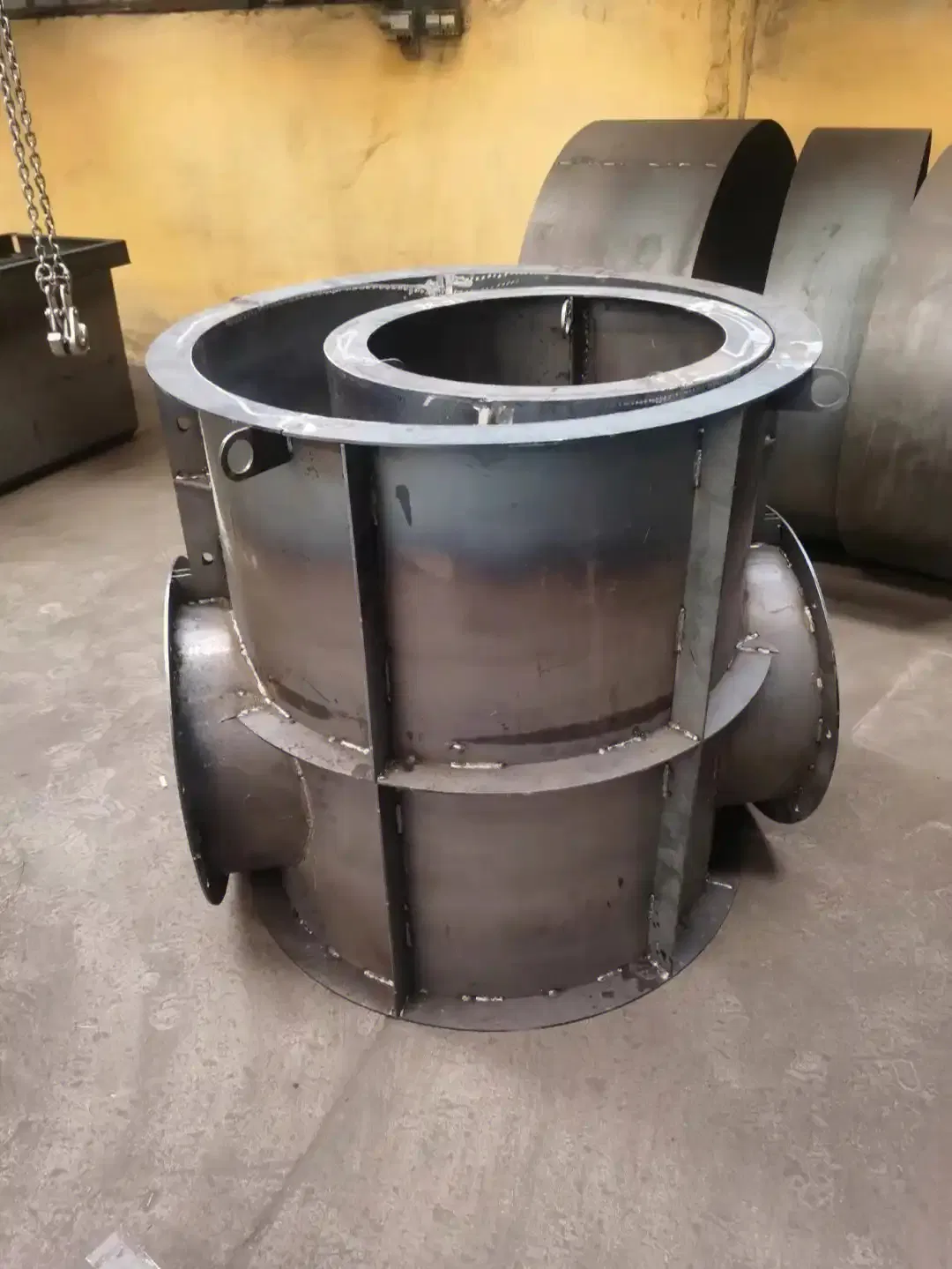
When a precast manhole fails a vacuum test, preserve the test record before deciding what needs repair. Ask the testing contractor, inspector and precaster to review the setup, the applicable test method and the observed condition together. Do not assign the failure to a particular joint or concrete component until the evidence supports that conclusion.
This guide organizes that review. It does not prescribe vacuum pressure, holding time, plug restraint, confined-space entry or repair execution. The responsible engineer, testing contractor and approving authority must establish the project procedure and acceptance requirements.
Start with a documented field problem
In NPCA's November/December 2016 Questions from the Field, a reader reported that a short length of plugged pipe was pulled out of its hub and into a backfilled manhole during vacuum testing. NPCA discussed pressure forces and the need for restraint. The report illustrates why a failed test should prompt a setup review before a repair decision. It is a historical account, not a safe test procedure for another installation.
Keep that distinction in the meeting notes. Ask what actually happened: a failed recorded result, a displaced pipe, a suspected leak location, or several observations together. Give each observation its own photograph or record reference. Leave the cause marked as unresolved where the team has only a suspicion.
Confirm the method and backfill status
The public scope of ASTM C1244/C1244M-20(2025) concerns a preliminary test before backfill and warns that misapplication can damage the system. It also says vacuum and hydrostatic test results have no established correlation. A vacuum result should therefore be reported as the result of the specified test, without promising performance under every service condition.
For testing after backfill, ASTM now lists C1964-26, updated February 25, 2026. Its public scope excludes non-cylindrical manholes and places requirements on pipe-stub restraint. Ask the approving authority which method and edition the contract adopts; do not transfer a before-backfill procedure to a buried structure without that decision.
Record whether the structure is unbackfilled, partly backfilled or fully backfilled. Include groundwater observations and the source of that information. If the written procedure and actual conditions differ, ask the responsible team to resolve the discrepancy before another attempt. Merely naming a standard in the test report does not resolve its applicability.
Review the equipment record before disturbing joints
Request the testing equipment instructions, equipment identification, gauge verification record and the contractor's setup photographs. Ask the contractor to explain the test-head seal, hose connections, pipe isolation and restraint arrangements against its approved procedure. Record which checks were completed and which still need evidence.
Do not instruct someone to adjust plugs or inspect inside a structure during testing. Arrange observations through the site's approved safety and testing procedures. If equipment condition remains uncertain, keep that issue separate from any proposed repair to the manhole itself.
Preserve the original reading, elapsed time, interruptions and operator notes. When the contractor corrects a setup issue, identify exactly what changed before the next test. Avoid replacing the first report with a later passing report; retain the sequence so the inspector can assess what the results demonstrate.
Compare the assembled interfaces with their instructions
NPCA's Recommended Installation Procedures: Storm and Sanitary Sewer Manholes, marked G0821, calls for manufacturer-specific connector instructions, clean joint surfaces and plumb sections. It describes how a displaced gasket can compromise a joint and warns against grout that restricts a flexible connector. Its guidance is general U.S. installation context, not authorization for a field alteration.
Ask the precaster to identify the actual joint and connector products supplied. Compare the delivery records and approved drawings with the installation photographs. Record whether a suspected defect concerns a section joint, pipe connection, opening, lift hole or concrete surface. Where the feature cannot be inspected safely, record that limit and ask who will arrange the next assessment.
For lift holes, obtain the jurisdiction's sealing requirement and the precaster's detail. Do not assume every recess needs the same treatment. Keep visible cracking or handling damage in the condition record and refer its significance to the responsible engineer rather than selecting a patch from appearance alone.
Use a failure and action register
Use a separate entry for each unresolved observation. The register is an editorial recordkeeping aid; it does not replace the contract's inspection form.
| Review item | Evidence to retain | Decision to request | Action owner |
|---|---|---|---|
| Test basis | Method, edition, procedure and backfill status | Confirm applicability | Approving authority |
| Equipment setup | Instructions, gauge record and photographs | Resolve setup questions | Testing contractor |
| Component interface | Piece marks, joint products and observed condition | Assess suspected defect | Precaster and engineer |
| Proposed repair | Location, detail, material and approval reference | Authorize the repair scope | Responsible project team |
| Retest | Original result, changed conditions and new report | Record acceptance decision | Inspector or authority |
Use precise locations, such as the connection identified on the approved drawing or the joint between named components. Separate an observed gap from an inferred cause. Ask the reviewer to record what additional evidence is needed rather than closing an item with an unexplained instruction to repair it.
Agree the repair and retest record
Request a written repair decision that identifies the affected feature, approved material or replacement detail, responsible contractor and conditions for retesting. Keep any curing or preparation requirements tied to the selected product instructions. Do not use this checklist to authorize resetting a section, tightening a clamp, injecting sealant or modifying concrete.
After the authorized work, photograph the accessible repaired area and attach the repair record to the retest report. Ask the accepting authority to state whether the result meets the adopted requirement and whether any outstanding condition remains. A useful closeout package preserves both the failed attempt and the basis for acceptance.
For help organizing the technical question, send the drawings, test reports, backfill status, photographs and unresolved action list through the PRECAST.WORLD technical desk. Keep the final testing, repair and acceptance decisions with the responsible project team.