Equipment
Manhole Production Equipment Guide
Practical considerations for manhole molds, vibration, joints, steps and handling.
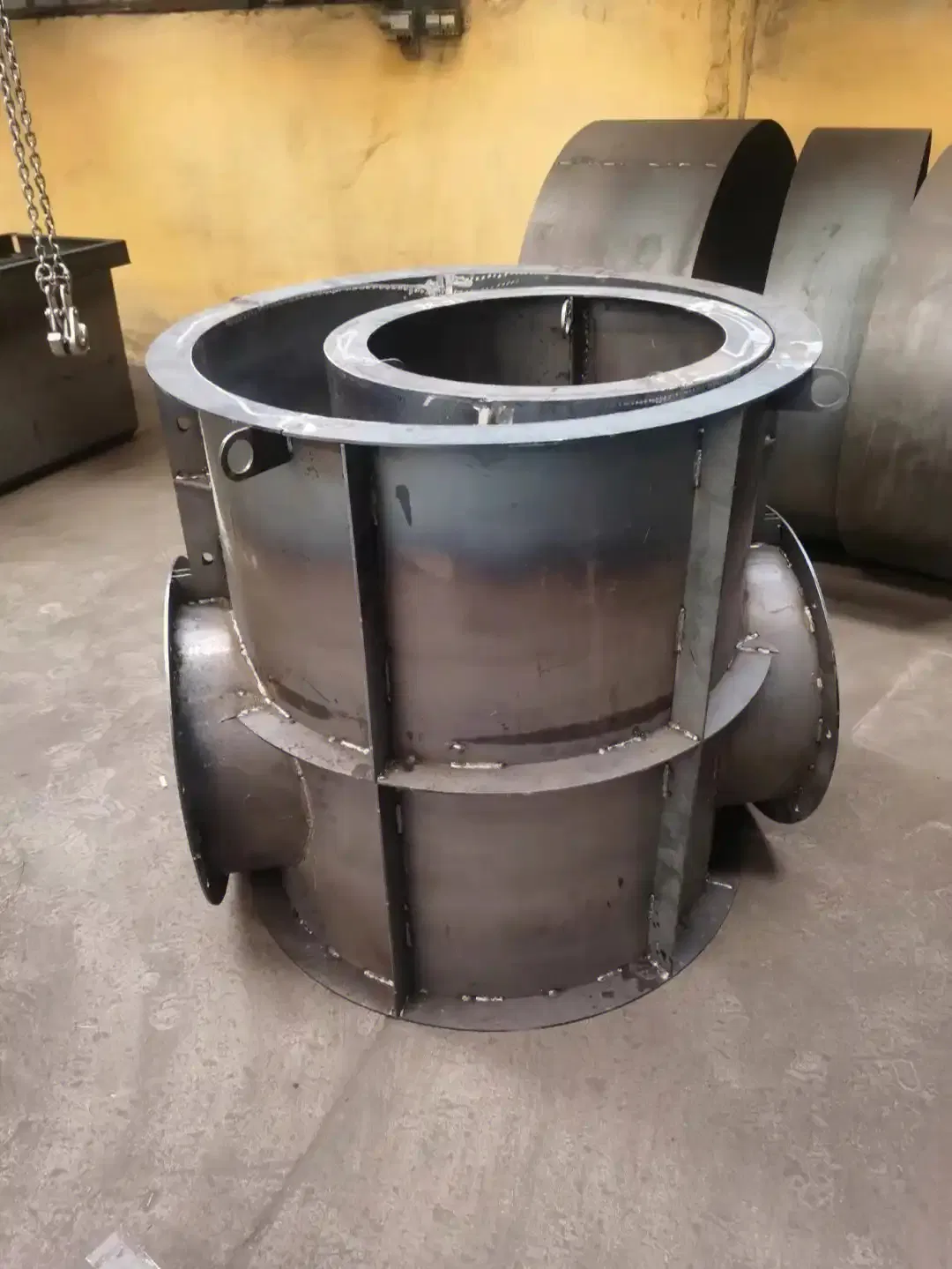
Technical summary
Manhole production needs flexible molds, reliable compaction and accurate joint interfaces because project dimensions often vary.
Field notes
Manhole Production Equipment Guide operating variables
Manhole production needs flexible molds, reliable compaction and accurate joint interfaces because project dimensions often vary.
Parameters to verify
- Clarify diameter, height and joint standards.
- Plan mold adjustment and insert placement.
- Check vibration method for dense reinforcement.
- Include lifting and storage fixtures.
Records and inputs
- Manhole drawings
- Diameter range
- Opening details
- Joint standard
Failure modes to watch
- Too many variants for fixed molds.
- Opening tolerances uncontrolled.
- Handling damage frequent.
Visual workflow
Manhole production as opening and joint control
Manhole production should be read from local standard through mold opening, cage, inserts, compaction, curing, testing and yard handling. Supporting visual: precast steel mold as the related product or interface reference for this workflow.
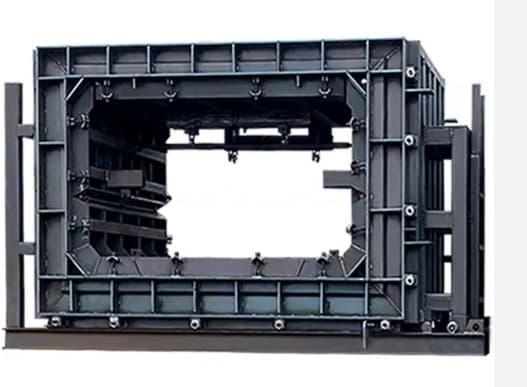
Diameter, height, joint and pipe opening rules set the production family.
Core release, openings and joint edges control changeover and repair.
Reinforcement, steps and lifting inserts must be ready before casting.
Concrete workability and vibration decide joint quality and surface defects.
Release strength protects edges and openings during demolding.
Dimensional, leakage and handling records support municipal acceptance.
Production context
Manhole production needs flexible molds, reliable compaction and accurate joint interfaces because project dimensions often vary.
Where this applies
- manhole planning and comparison
- equipment planning and comparison
- mold planning and comparison
Engineering variables
- Clarify diameter, height and joint standards.
- Plan mold adjustment and insert placement.
- Check vibration method for dense reinforcement.
- Include lifting and storage fixtures.
System interfaces
- Compare mold systems by adjustment time.
- Ask how steps and pipe openings are formed.
- Review quality checks for joints.
Production evidence checklist
| Production variable | Why it matters in production | Records or evidence to inspect | Interface risk |
|---|---|---|---|
| Local manhole standard | Defines diameter, riser height, base type, cone, cover seat, steps and pipe opening rules. | Municipal standard, drawings, diameter range, joint detail, step/insert requirement and acceptance checklist. | Manhole equipment cannot be specified by diameter alone when openings and local joints vary. |
| Mold and opening system | Controls adjustable openings, joint edges, demolding sequence, vibration access and changeover time. | Mold drawings, pipe opening schedule, joint profile, core release method and product mix. | A plant may buy enough molds but still lose output on opening changes and edge repair. |
| Reinforcement and inserts | Sets cage preparation, step placement, lifting points, pipe seals and pre-pour inspection. | Cage drawings, insert list, step system, lifting method and inspection photos. | Embedded parts create defects when they are treated as field details instead of production stations. |
| Concrete compaction and curing | Links mix workability, vibration method, dry/wet process, release strength and surface repair. | Mix data, vibration method, curing record, release strength and defect photos. | Honeycombs, joint chips and leakage can be process problems rather than mold problems. |
| Testing and handling | Connects dimensions, leakage, load class, yard storage, delivery and municipal approval. | Dimensional checks, leakage/load records, lifting method, storage layout and delivery route. | Manholes are heavy local products; poor handling can ruin otherwise correct production. |
Technical references
Original sources and related manuals
Open the governing standard record, original process source or related product manual for the underlying scope and terminology.
Use this manual to connect mold opening, joint profile, inserts and handling.
Open process referencePRECAST.WORLDConcrete pipe gasket manualUse this reference when manhole openings must match gasketed pipe joints.
Open process referencePRECAST.WORLDConcrete vibrator manualUse this reference when manhole quality depends on compaction around cages and openings.
Open process referenceApollo Afinitas TechnologiesConcrete pipe machines and productionOfficial joint-venture manufacturer reference for concrete pipe, manhole, box-culvert, mold, cage-welding and curing equipment scope.
Open process referenceApollo Afinitas TechnologiesCAP concrete pipe making machinesSpecific manufacturer reference for vertical vibration, reinforced and non-reinforced pipes, jacking pipes, box culverts, U-drains, manhole risers and station options.
Open process referenceWeak assumptions seen in projects
- Using fixed molds for variable projects.
- Ignoring opening reinforcement.
- Not planning repair of edge damage.
Inspection and acceptance points
- Too many variants for fixed molds.
- Opening tolerances uncontrolled.
- Handling damage frequent.
- Surface repair plan missing.
FAQ
What is the first decision to make for manhole production equipment guide?
Start with product type, target capacity and local requirements. These inputs shape equipment, mold, material and quality-control choices.
What information should be prepared before speaking with suppliers?
Prepare drawings, target output, local standards, installation limits, available utilities, budget range and the questions you need answered.
Need to frame the technical context?
Send product type, capacity target, standards, drawings, photos or quality issues. PRECAST.WORLD will turn them into clearer technical notes for the next discussion.