Troubleshooting
How to Prevent Honeycombs in Precast Concrete
Production checks for reducing honeycombs around reinforcement, edges, corners and embedded parts.
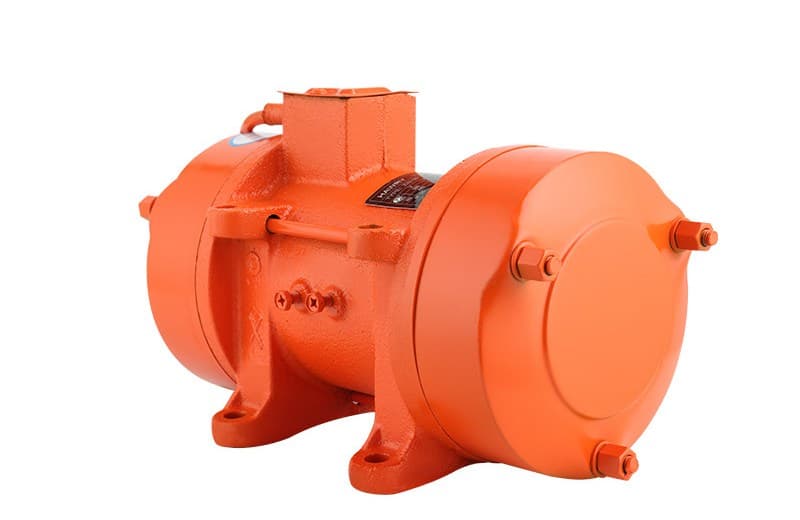
Technical summary
Honeycombs usually indicate problems in mix workability, placing, vibration, reinforcement congestion, mold leakage or release practice.
Field notes
How to Prevent Honeycombs in Precast Concrete operating variables
Honeycombs usually indicate problems in mix workability, placing, vibration, reinforcement congestion, mold leakage or release practice.
Parameters to verify
- Check mix workability at placement.
- Review reinforcement congestion and cover.
- Control vibration method and duration.
- Seal mold joints and corners.
Records and inputs
- Defect photos
- Mix design
- Reinforcement drawings
- Vibration method
Failure modes to watch
- Workability poor.
- Aggregate too large.
- Vibration inconsistent.
Visual workflow
Honeycomb prevention as placement path
Honeycomb prevention depends on workability, reinforcement congestion, vibration access, mold tightness and defect feedback. Supporting visual: repair mortar as the related product or interface reference for this workflow.
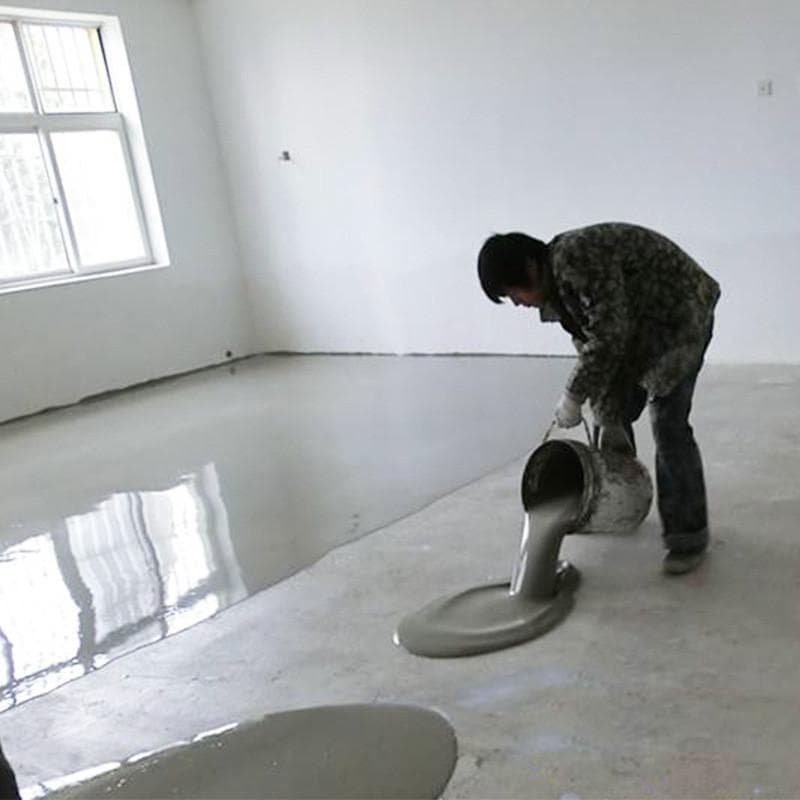
Workability must fit reinforcement and mold geometry.
Congestion and inserts decide concrete path.
Pour sequence should avoid trapped air pockets.
Frequency and reach must match the defect zone.
Joint leakage removes paste from edges.
Repair records should drive process changes.
Production context
Honeycombs usually indicate problems in mix workability, placing, vibration, reinforcement congestion, mold leakage or release practice.
Where this applies
- honeycomb planning and comparison
- quality planning and comparison
- vibration planning and comparison
Engineering variables
- Check mix workability at placement.
- Review reinforcement congestion and cover.
- Control vibration method and duration.
- Seal mold joints and corners.
System interfaces
- Compare defect locations with reinforcement and placing sequence.
- Ask whether operators have clear vibration rules.
- Review aggregate size against bar spacing.
Production evidence checklist
| Production variable | Why it matters in production | Records or evidence to inspect | Interface risk |
|---|---|---|---|
| Concrete workability | Controls flow around reinforcement, inserts, corners and narrow mold pockets. | Mix design, slump or flow, aggregate grading, batch moisture and casting time. | Adding water may hide placement problems while weakening surface and strength control. |
| Vibration access | Defines vibrator type, frequency, duration, operator reach and external mold stiffness. | Vibration method, operator pattern, mold drawing, congestion photos and defect map. | Honeycombs can persist when vibration cannot reach the real defect zone. |
| Reinforcement congestion | Checks bar spacing, cover, cage stability, inserts and concrete path during placement. | Rebar drawings, cage photos, insert schedule, cover checks and pre-pour inspection. | A mix that works elsewhere can fail when reinforcement blocks concrete movement. |
| Mold leakage and joints | Protects paste retention, edge quality, joint faces and local compaction. | Mold joint photos, gasket/seal detail, leakage record and cleaning condition. | Leaking paste at mold joints can create local voids and weak edges. |
| Defect feedback | Turns repair photos into process changes for mix, vibration, pouring sequence or mold repair. | Defect location map, repair log, shift record, product type and corrective action. | Without mapped evidence, the same honeycomb area returns every production cycle. |
Technical references
Original sources and related manuals
Open the governing standard record, original process source or related product manual for the underlying scope and terminology.
Use this manual to connect vibration type, mold stiffness and compaction result.
Open process referencePRECAST.WORLDConcrete distributor manualUse this reference when placement sequence and discharge control affect honeycombs.
Open process referencePRECAST.WORLDRepair mortar manualUse this reference when defect classification and repair evidence feed back to production.
Open process referenceVollert Precast SolutionsPallet transport and circulation technologyExternal process reference for pallet movement, turning, storage, station interfaces and factory-control scope.
Open process referenceVollert Precast SolutionsPallet circulation system for walls and floorsSpecific process reference for casing pallets, station-to-station circulation, shuttering, concrete spreading, turning, loading and lifting.
Open process referenceVollert Precast SolutionsProduction control systemSpecific process reference for production sequencing, pallet assignment, circulation visualization, subsystem control and fault records.
Open process referenceWeiler GmbHPrecast plant, batching and concrete transport systemsOfficial manufacturer overview for batching, mixer, concrete delivery, prestressed production and plant-handling interfaces.
Open process referenceApollo Afinitas TechnologiesConcrete pipe, manhole and box-culvert plant equipmentOfficial manufacturer overview for pipe and infrastructure product lines, molds, cage welding, curing and handling equipment.
Open process referenceWeak assumptions seen in projects
- Adding water without mix control.
- Over-vibrating one area and missing another.
- Ignoring mold leakage.
Inspection and acceptance points
- Workability poor.
- Aggregate too large.
- Vibration inconsistent.
- Mold leakage not fixed.
FAQ
What is the first decision to make for how to prevent honeycombs in precast concrete?
Start with product type, target capacity and local requirements. These inputs shape equipment, mold, material and quality-control choices.
What information should be prepared before speaking with suppliers?
Prepare drawings, target output, local standards, installation limits, available utilities, budget range and the questions you need answered.
Need to frame the technical context?
Send product type, capacity target, standards, drawings, photos or quality issues. PRECAST.WORLD will turn them into clearer technical notes for the next discussion.