Equipment
Wall Panel Production Line Guide
How to compare wall panel production concepts, from fixed tables to battery molds and circulation systems.
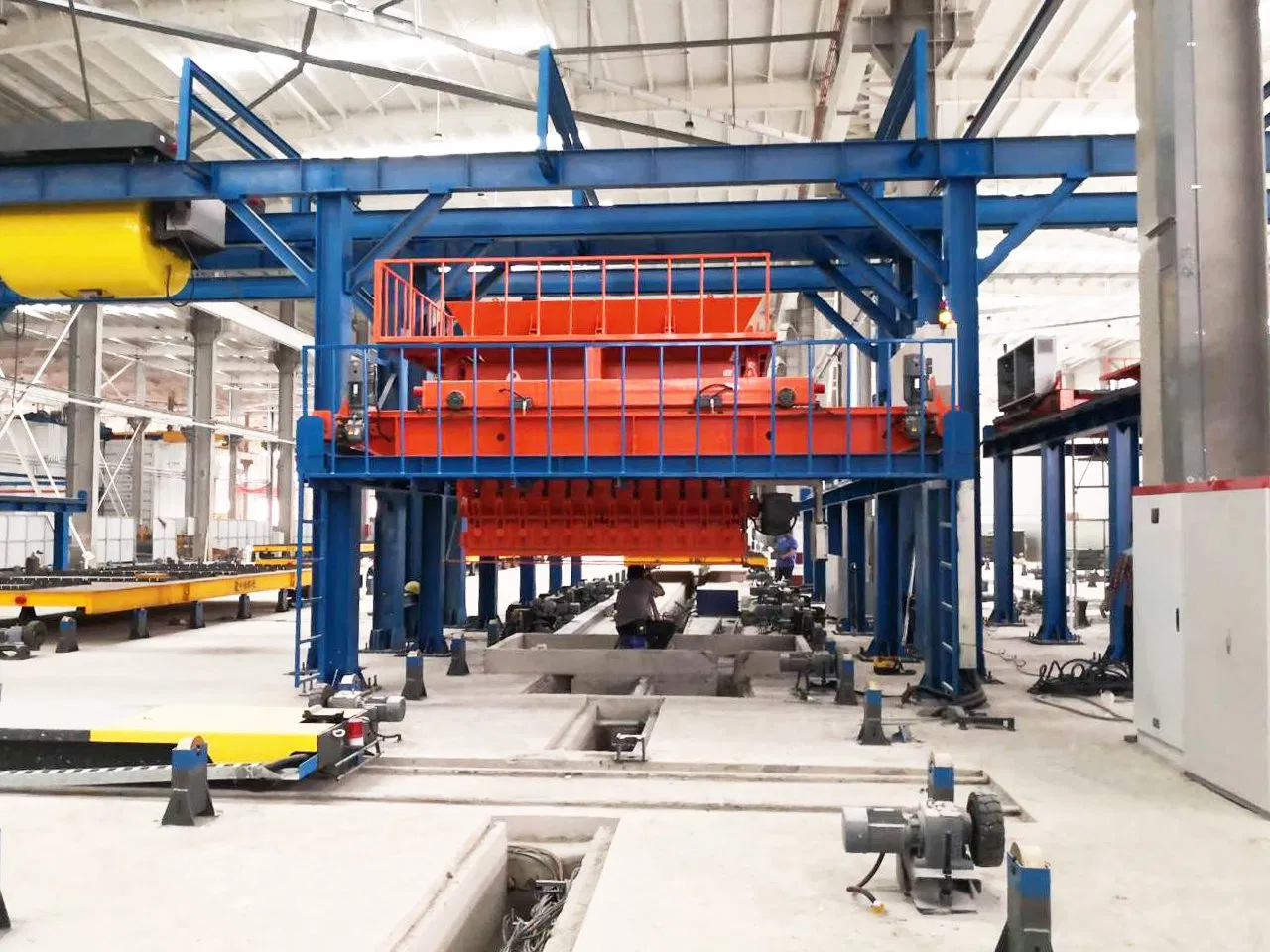
Technical summary
A wall panel line can be fixed tables, tilting tables, battery molds or pallet circulation; the right choice depends on panel repetition, inserts, finish, labor and curing cycle.
Field notes
Wall Panel Production Line Guide operating variables
A wall panel line can be fixed tables, tilting tables, battery molds or pallet circulation; the right choice depends on panel repetition, inserts, finish, labor and curing cycle.
Parameters to verify
- Choose casting method around product mix.
- Plan reinforcement, embedded parts and openings.
- Match concrete distribution, curing, demolding and storage.
- Check whether pallet circulation is justified by volume.
Records and inputs
- Panel drawings
- Thickness range
- Daily area output
- Surface finish
Failure modes to watch
- Panel mix is too variable.
- Openings and inserts slow the line.
- Curing capacity is too small.
Visual workflow
Wall panel line as station flow
Read the wall panel line by station sequence: table preparation, reinforcement, embedded parts, concrete delivery, curing, demolding and yard movement.
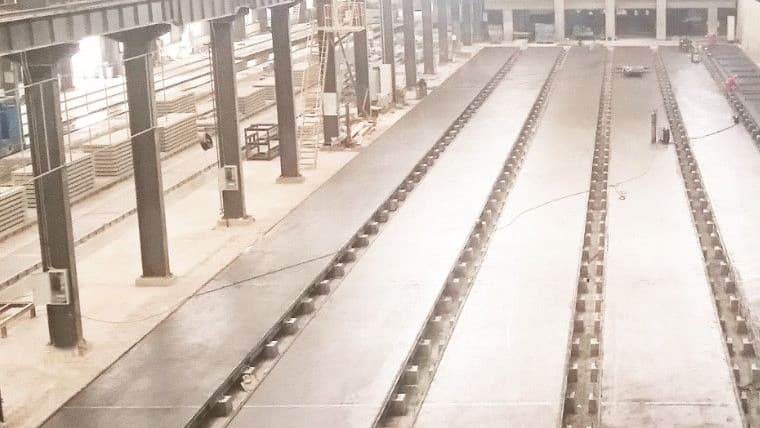
Clean table, check flatness, place side forms, openings, chamfers and blockouts.
Mesh, lifting anchors, electrical boxes and connectors must be ready before casting.
Distributor route, discharge control and vibration set casting speed and surface quality.
Release strength and curing method decide when the table can be reused.
Tilt, lift and edge protection need to match panel weight and lifting layout.
Support points, repair access and truck sequence protect the finished panel.
Production context
Wall panel production can be simple or highly automated. The right line depends on panel repetition, surface requirements, labor and plant space.
Where this applies
- Solid wall panel factories
- Sandwich panel production
- Facade panel production
- Housing and modular component plants
Engineering variables
- Choose casting method around product mix.
- Plan reinforcement, embedded parts and openings.
- Match concrete distribution, curing, demolding and storage.
- Check whether pallet circulation is justified by volume.
System interfaces
- Fixed and tilting tables favor flexibility.
- Battery molds save floor space for repeated panels.
- Pallet circulation needs higher volume and maintenance discipline.
- Ask how each option handles openings, inserts and product changes.
Production evidence checklist
| Production variable | Why it matters in production | Records or evidence to inspect | Interface risk |
|---|---|---|---|
| Panel schedule | Separates solid, sandwich, double wall and facade panels so table size, inserts, openings and curing cycle can be balanced. | Panel list with dimensions, thickness, weight, opening ratio, insulation details, finish class and project repetition. | A line sized for repeated panels can lose output when every panel needs different inserts, openings and edge details. |
| Table or pallet concept | Defines whether fixed tables, tilting tables, battery molds or pallet circulation can support the product mix. | Common panel size range, required tilt angle, product repetition, crane access and target cycle per station. | Choosing automation before confirming repetition creates changeover time that cancels the planned capacity. |
| Reinforcement and embedded parts | Sets station sequence, labor count, mesh preparation, insert trays, blockouts and pre-pour inspection timing. | Rebar drawings, insert schedule, lifting anchors, electrical boxes, connector details and opening templates. | Concrete placement can wait on reinforcement and inserts even when the casting table is technically free. |
| Concrete delivery | Connects batching, distributor route, bucket volume, discharge control, vibration and washout area. | Mix workability, delivery distance, bucket or distributor type, cleaning method and planned casting sequence. | Segregation, cold joints and slow cleaning can limit output more than the table count. |
| Curing and demolding | Sets table turnover, lifting time, storage rhythm and early-strength acceptance records. | Target release strength, curing method, temperature range, demolding procedure and lifting layout. | A fast casting station becomes irrelevant if curing or safe demolding cannot release panels at the same rhythm. |
Technical references
Original sources and related manuals
Open the governing standard record, original process source or related product manual for the underlying scope and terminology.
Use the machine groups and station names to read how pallet movement, turning, storage and plant control connect.
Open process referencePRECAST.WORLDWall panel production line product manualUse the product page to compare fixed tables, tilting tables, pallet circulation and station interfaces.
Open process referenceElematicChoosing a wall panel production lineManufacturer process note for wall-line scope, product repetition, station sequence and production constraints.
Open process referenceElematicWall production line familiesSpecific manufacturer overview of circulation lines, battery molds, tilting tables, staircase molds and beam/column mold interfaces.
Open process referenceWeak assumptions seen in projects
- Choosing automation for highly variable panels without repetition evidence.
- Ignoring insert positioning.
- Underestimating demolding and storage time.
Inspection and acceptance points
- Panel mix is too variable.
- Openings and inserts slow the line.
- Curing capacity is too small.
- Storage area is weak.
FAQ
What is the first decision to make for wall panel production line guide?
Start with product type, target capacity and local requirements. These inputs shape equipment, mold, material and quality-control choices.
What information should be prepared before speaking with suppliers?
Prepare drawings, target output, local standards, installation limits, available utilities, budget range and the questions you need answered.
Need to frame the technical context?
Send product type, capacity target, standards, drawings, photos or quality issues. PRECAST.WORLD will turn them into clearer technical notes for the next discussion.