Molds
Precast Magnetic Shuttering
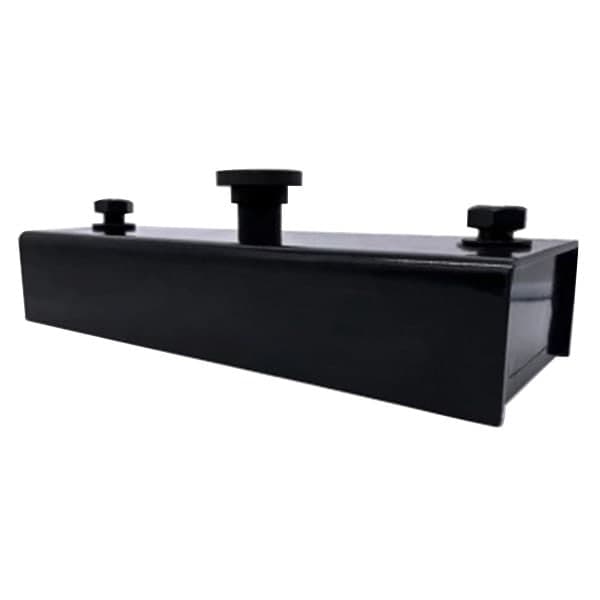
A reusable steel formwork system using magnetic profiles, boxes and accessories to define panel edges, openings, chamfers and stop ends on casting tables.
Magnetic shuttering is best for flexible panel work on clean steel tables; holding force, side-rail height, adapters and table condition decide whether it stays accurate during casting.
Magnetic shuttering combines a steel profile with switchable magnets so factories can change panel sizes without building a fixed mold for every dimension.
- Wall panel tables
- Facade panels
- Balcony panels
- Small batch custom elements
- Magnet holding force under real table conditions
- Side rail height and stiffness
- Adapter interface
- Steel table flatness and cleanliness
Product photographs
Product form, interfaces and production context
The views below show the product itself together with relevant handling, installation or production interfaces.
Primary product view
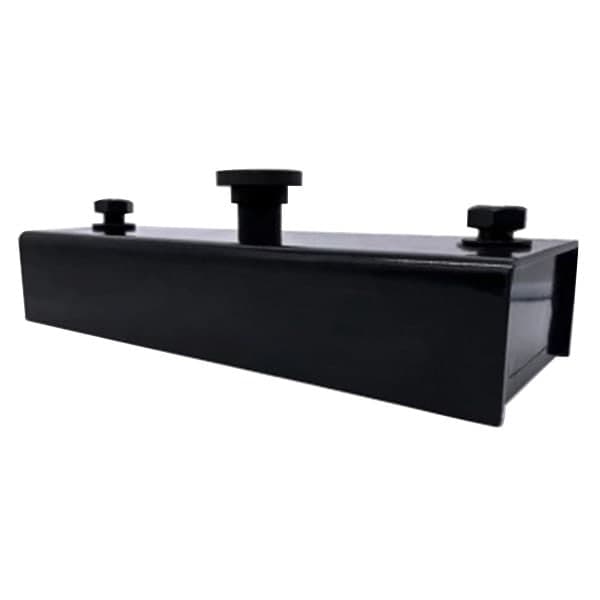
A reusable steel formwork system using magnetic profiles, boxes and accessories to define panel edges, openings, chamfers and stop ends on casting tables.
Overall product view showing the form and principal interfaces.
Formwork magnet box
Magnet boxes hold adapters, rails or blockouts; they are part of the shuttering system, not the whole system.
Use this to separate magnet capacity from rail and accessory scope.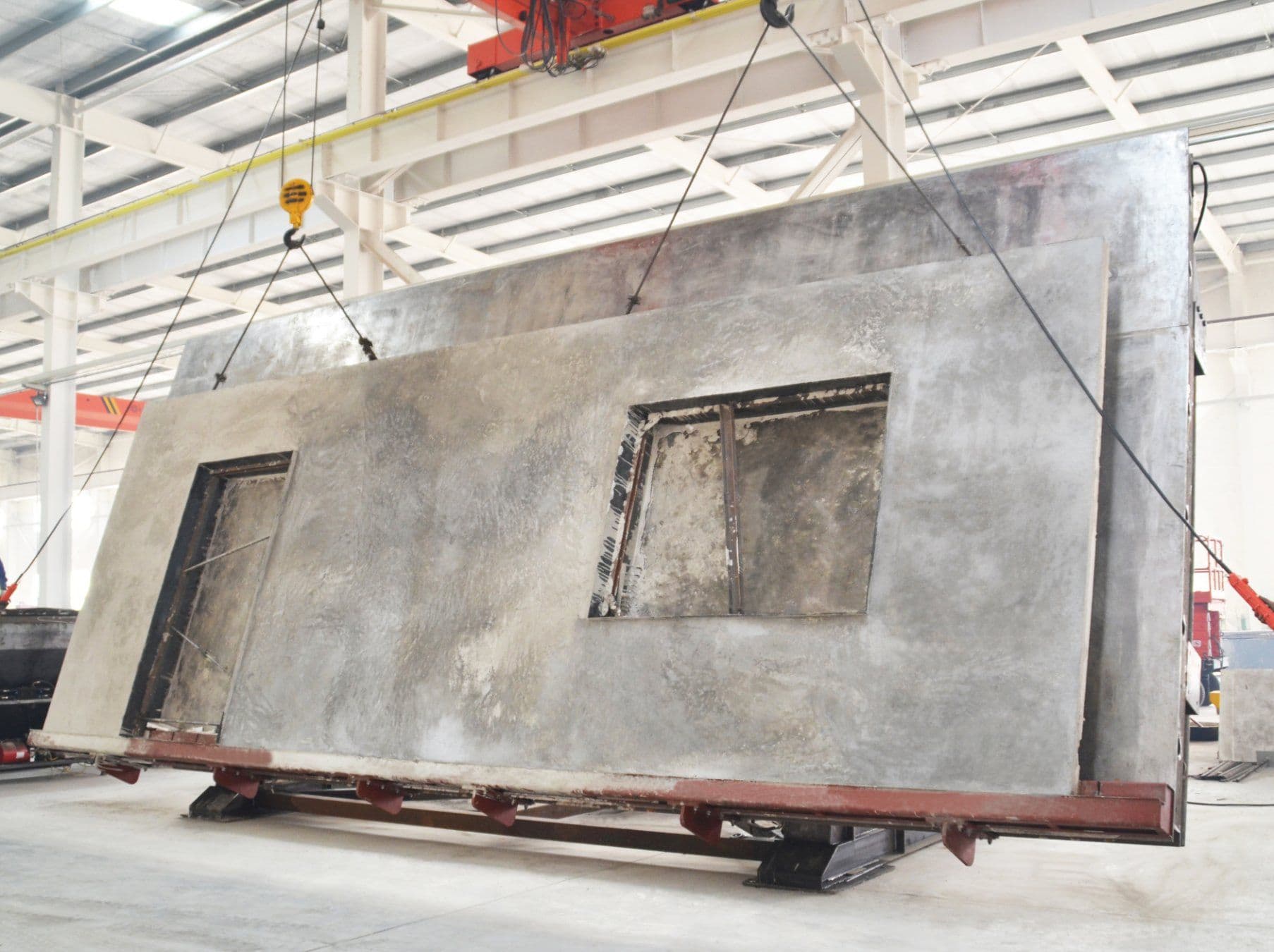
Tilting table interface
Table flatness, surface cleanliness and demolding method decide whether magnetic shuttering stays accurate in daily use.
Use as the casting-table interface reference.Process references
Use this product manual to check holding force, side-rail height, table condition and accessories.
Open process referencePRECAST.WORLDFormwork magnet interfaceUse this reference to separate magnet boxes from complete shuttering systems.
Open process referencePRECAST.WORLDTilting table interfaceUse this reference when magnetic shuttering performance depends on table flatness and demolding workflow.
Open process referenceElematicChoosing a wall panel production lineManufacturer process note for wall-line scope, product repetition, station sequence and production constraints.
Open process referenceElematicWall production line familiesSpecific manufacturer overview of circulation lines, battery molds, tilting tables, staircase molds and beam/column mold interfaces.
Open process referenceTechnical references
Standards context for Precast Magnetic Shuttering
These references identify where a technical review often starts. They are not a declaration of compliance, product approval or a replacement for the adopted project code.
Common rules for precast concrete products
Common requirements for precast concrete product standards, including basic performance and conformity-assessment context.
Use it as a common precast reference only. A product-specific standard and the project's adopted national rules take precedence.View standard recordBuilding Code Requirements for Structural Concrete
Structural concrete requirements for design and detailing in jurisdictions that adopt ACI 318.
A design-code reference, not a product approval or a substitute for the governing project code and engineer's drawings.View standard recordField notes
Precast Magnetic Shuttering operating variables
Magnetic shuttering is best for flexible panel work on clean steel tables; holding force, side-rail height, adapters and table condition decide whether it stays accurate during casting.
Parameters to verify
- Magnet holding force under real table conditions
- Side rail height and stiffness
- Adapter interface
- Steel table flatness and cleanliness
Records and inputs
- Panel thickness range
- Table material and thickness
- Concrete workability
- Typical opening and corner details
Failure modes to watch
- Rail movement during casting.
- Magnet base damage from concrete slurry.
- Insufficient accessories for corners and openings.
Main types
- Fixed height magnetic side rails
- Adjustable magnetic shuttering
- Chamfer magnetic profiles
- Custom profiles
Key specifications
- Magnet holding force under real table conditions
- Side rail height and stiffness
- Adapter interface
- Steel table flatness and cleanliness
- Corner, chamfer and opening accessories
Technical interface matrix
Read the product through application, geometry, production interface and acceptance evidence before comparing catalog data, drawings or technical offers.
| Area | Variables to check | Evidence normally needed | Interface risk |
|---|---|---|---|
| Application fit | Wall panel tables; Facade panels; Balcony panels | Panel thickness range; Table material and thickness | Rail movement during casting. |
| Type and geometry | Fixed height magnetic side rails; Adjustable magnetic shuttering; Chamfer magnetic profiles; Custom profiles | Panel thickness range; Table material and thickness; Concrete workability | Magnet base damage from concrete slurry. |
| Production interface | Match side-rail height to panel thickness and concrete pressure.; Check whether operators need separate magnets or integrated magnetic profiles.; Specify corners, chamfers and blockout accessories with the first order. | Concrete workability; Typical opening and corner details; Daily changeover frequency | Insufficient accessories for corners and openings. |
| Inspection and acceptance | Adapter interface; Steel table flatness and cleanliness; Corner, chamfer and opening accessories | Typical opening and corner details; Daily changeover frequency; Rail movement during casting.; Magnet base damage from concrete slurry. | Poor table flatness reduces holding force. |
Technical selection variables
- Match side-rail height to panel thickness and concrete pressure.
- Check whether operators need separate magnets or integrated magnetic profiles.
- Specify corners, chamfers and blockout accessories with the first order.
- Confirm cleaning tools and storage racks because dirty magnet bases lose holding force.
Compare magnetic shuttering choices
Magnetic shuttering performance depends on table condition, concrete pressure, rail stiffness and the accessory system for openings and corners.
| Decision factor | Separate magnets and rails | Integrated magnetic profiles | Evidence to inspect |
|---|---|---|---|
| Flexibility | Flexible for small runs and mixed rail heights | Faster setup for repeated panel thicknesses | Panel thickness range and daily changeover frequency. |
| Holding force | Depends on magnet count, placement and table cleanliness | Depends on profile design and continuous contact quality | Holding-force data under realistic table, oil and dust conditions. |
| Accessory scope | Needs corners, chamfers, blockouts and storage | Needs matching end pieces and repair parts | Full first-year accessory, replacement and storage list. |
Project interfaces and failure modes
- Selecting magnets without side-rail accessories.
- Using magnetic profiles on painted, dirty or uneven table surfaces.
- Ignoring high-flow concrete pressure around openings.
Drawings and field data normally required
- Panel thickness range
- Table material and thickness
- Concrete workability
- Typical opening and corner details
- Daily changeover frequency
Inspection and interface points
- Rail movement during casting.
- Magnet base damage from concrete slurry.
- Insufficient accessories for corners and openings.
- Poor table flatness reduces holding force.
- Operators pry magnets in a way that damages switches.
Requirement checklists and evidence
Use these scope-control briefs when preparing technical assumptions, commissioning scope and acceptance evidence.
FAQ
What should be checked before comparing magnetic shuttering?
Confirm the element type, production capacity, local standard, installation condition and maintenance capability first. Price comparison is weak when these basics are unclear.
Can PRECAST.WORLD organize technical evidence for this topic?
Yes. The goal is to organize production variables, drawings, photos, records and interface questions so the next technical discussion starts from evidence instead of assumptions.
Ask the technical desk about precast magnetic shuttering
Send product type, capacity target, standards, drawings, photos or quality issues. PRECAST.WORLD will turn them into clearer technical notes for the next discussion.