Accessories
Precast Magnetic Shuttering Guide
How magnetic shuttering supports flexible wall panel production and which evidence confirms table fit.
Technical summary
Magnetic shuttering can speed dimension changes on steel tables, but holding force, profile height and accessories must match the production method.
Field notes
Precast Magnetic Shuttering Guide operating variables
Magnetic shuttering can speed dimension changes on steel tables, but holding force, profile height and accessories must match the production method.
Parameters to verify
- Match profile height to panel thickness.
- Check holding force against concrete pressure.
- Plan corners, openings and chamfers.
- Set cleaning and storage rules.
Records and inputs
- Panel thickness
- Table material
- Concrete workability
- Opening details
Failure modes to watch
- Magnet slips.
- Profile bends.
- Changeover still slow.
Visual workflow
Magnetic shuttering as table workflow
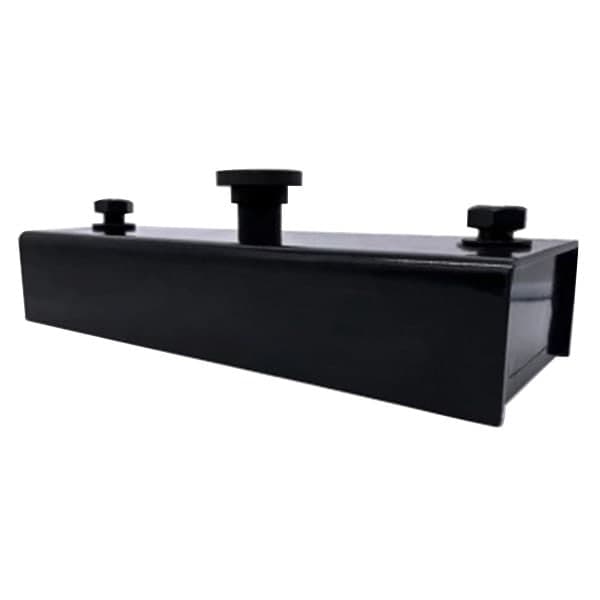
Magnetic shuttering must be read as table condition, holding force, side profile, accessories, changeover and cleaning workflow. Supporting visual: precast formwork magnet as the related product or interface reference for this workflow.

Flat steel contact and slurry removal protect holding force.
Profile height, magnet spacing and corners follow panel thickness and pressure.
Chamfers, openings and inserts need adapters beyond magnet boxes.
Concrete pressure and vibration test whether the system is stiff enough.
Safe switch operation and release tools prevent damage to magnets and tables.
Racks, cleaning and inspection keep bases flat for the next cycle.
Production context
Magnetic shuttering can speed dimension changes on steel tables, but holding force, profile height and accessories must match the production method.
Where this applies
- magnetic shuttering planning and comparison
- wall panel planning and comparison
- mold planning and comparison
Engineering variables
- Match profile height to panel thickness.
- Check holding force against concrete pressure.
- Plan corners, openings and chamfers.
- Set cleaning and storage rules.
System interfaces
- Compare total system accessories.
- Ask for holding force test conditions.
- Review compatibility with tables and magnets.
Production evidence checklist
| Production variable | Why it matters in production | Records or evidence to inspect | Interface risk |
|---|---|---|---|
| Casting table condition | Determines real holding force, dimensional accuracy, surface finish and daily cleaning requirement. | Table material, thickness, flatness record, surface wear, slurry exposure and cleaning method. | Catalog magnet force is not meaningful on dirty, painted, uneven or damaged steel tables. |
| Profile height and concrete pressure | Sets magnetic rail height, stiffness, magnet spacing and corner restraint for the panel thickness. | Panel thickness, concrete workability, pour height, vibration method, rail drawings and corner/accessory details. | High-flow concrete and vibration can move weak side forms even when a magnet holds under static testing. |
| Adapters, corners and openings | Turns a magnet box into a usable formwork system for edges, chamfers, blockouts and embedded parts. | Adapter drawings, corner system, chamfer profile, blockout sizes, insert details and opening schedule. | Factories often buy enough magnets but not enough adapters to form real project details. |
| Changeover workflow | Defines how operators place, align, release, clean and store shuttering between panel cycles. | Daily panel mix, changeover time, storage rack, release tools, cleaning tools and operator method. | Flexible formwork becomes slow and inaccurate when changeover is treated as manual improvisation. |
| Maintenance and safety | Controls switch reliability, base wear, impact damage, spare parts and safe release force. | Switch type, service kit, base inspection, storage method, repair policy and damaged-magnet records. | Damaged switches or dirty magnet bases reduce holding force and can become operator safety issues. |
Technical references
Original sources and related manuals
Open the governing standard record, original process source or related product manual for the underlying scope and terminology.
Use this product manual to check holding force, side-rail height, table condition and accessories.
Open process referencePRECAST.WORLDFormwork magnet interfaceUse this reference to separate magnet boxes from complete shuttering systems.
Open process referencePRECAST.WORLDTilting table interfaceUse this reference when magnetic shuttering performance depends on table flatness and demolding workflow.
Open process referenceElematicChoosing a wall panel production lineManufacturer process note for wall-line scope, product repetition, station sequence and production constraints.
Open process referenceElematicWall production line familiesSpecific manufacturer overview of circulation lines, battery molds, tilting tables, staircase molds and beam/column mold interfaces.
Open process referenceWeak assumptions seen in projects
- Selecting rails without enough corner accessories.
- Using magnets on dirty tables.
- Ignoring high-flow concrete pressure.
Inspection and acceptance points
- Magnet slips.
- Profile bends.
- Changeover still slow.
- Cleaning practice weak.
FAQ
What is the first decision to make for precast magnetic shuttering guide?
Start with product type, target capacity and local requirements. These inputs shape equipment, mold, material and quality-control choices.
What information should be prepared before speaking with suppliers?
Prepare drawings, target output, local standards, installation limits, available utilities, budget range and the questions you need answered.
Need to frame the technical context?
Send product type, capacity target, standards, drawings, photos or quality issues. PRECAST.WORLD will turn them into clearer technical notes for the next discussion.