Molds
How to Maintain Precast Concrete Molds
Daily and periodic maintenance practices for steel molds, magnetic systems and casting tables.
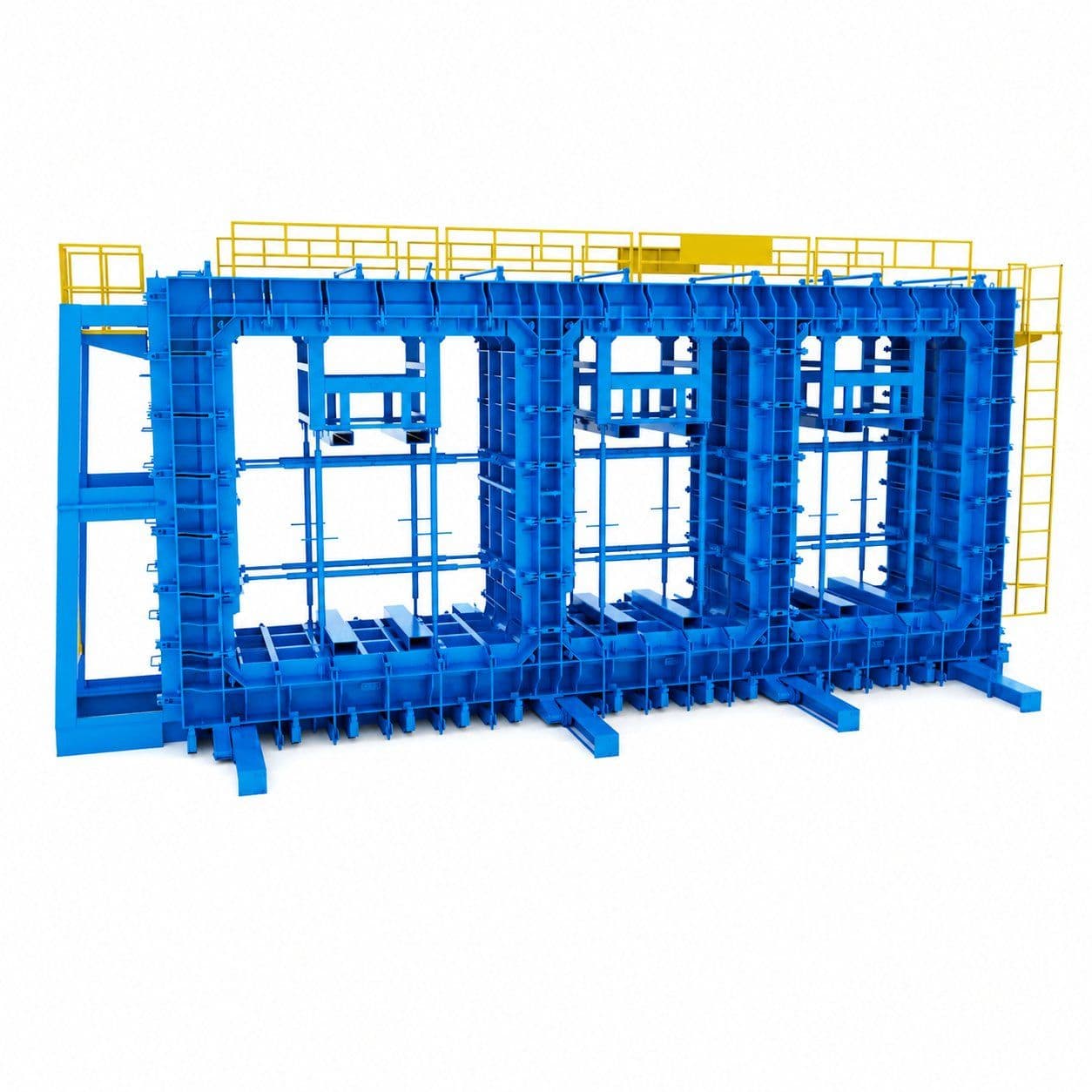
Technical summary
Mold maintenance protects surface finish, dimensional accuracy and cycle time. Small cleaning habits often prevent larger production defects.
Field notes
How to Maintain Precast Concrete Molds operating variables
Mold maintenance protects surface finish, dimensional accuracy and cycle time. Small cleaning habits often prevent larger production defects.
Parameters to verify
- Clean contact surfaces after each cycle.
- Inspect locks, hinges and magnets.
- Check flatness and wear points periodically.
- Store molds to prevent deformation and corrosion.
Records and inputs
- Mold type
- Cycle frequency
- Release agent used
- Storage condition
Failure modes to watch
- Corrosion starts at joints.
- Magnets lose holding force.
- Flatness drifts.
Visual workflow
Mold maintenance as repeatability control
Mold maintenance should be read through mold face, hinges, locks, dimensions, cleaning, release routine and storage protection.
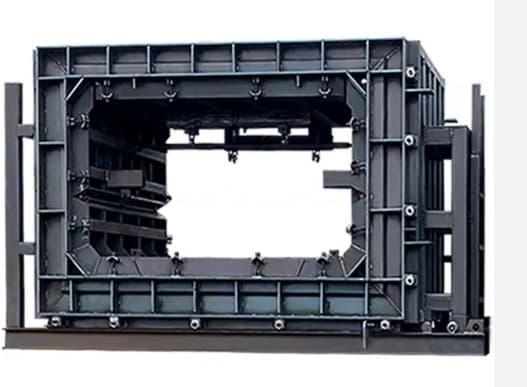
Map scratches, rust, buildup and sticking locations before repair.
Hinges, locks, hydraulics and bolts control demolding repeatability.
Gauge points catch deformation before many elements repeat the defect.
Cleaning and release-agent routine must protect the face without buildup.
Welding, grinding or adjustment should be recorded against tolerance.
Support and corrosion control keep idle molds ready for restart.
Production context
Mold maintenance protects surface finish, dimensional accuracy and cycle time. Small cleaning habits often prevent larger production defects.
Where this applies
- maintenance planning and comparison
- molds planning and comparison
- quality planning and comparison
Engineering variables
- Clean contact surfaces after each cycle.
- Inspect locks, hinges and magnets.
- Check flatness and wear points periodically.
- Store molds to prevent deformation and corrosion.
System interfaces
- Compare maintenance needs before approving a mold system.
- Ask for spare part lists.
- Set inspection intervals based on production cycles.
Production evidence checklist
| Production variable | Why it matters in production | Records or evidence to inspect | Interface risk |
|---|---|---|---|
| Mold face condition | Controls surface finish, release behavior, dimensional repeatability and repair workload. | Surface photos, scratch or rust map, release-agent record, cleaning method and accepted repair limit. | Surface defects are often blamed on concrete when the mold face or cleaning method is the source. |
| Hinges, locks and hydraulics | Keeps opening, closing, vibration and demolding sequence repeatable under daily production. | Inspection checklist, lubrication record, hydraulic leak record, lock wear and spare-part list. | A mold can cast correctly but damage elements during demolding when opening hardware is loose or uneven. |
| Dimensional checkpoints | Tracks deformation, flange wear, table flatness, joint accuracy and bolt-hole movement. | Measurement sheet, trial assembly record, gauge points, tolerance class and repair history. | Small mold movement repeats across many elements before it is visible in finished-product rejection. |
| Cleaning and release routine | Links operator method, release-agent dosage, slurry removal and magnet or shuttering life. | Daily cleaning tool, spray method, application rate, residue photos and operator responsibility. | Over-cleaning damages the mold face; under-cleaning creates sticking, stains and dimensional buildup. |
| Storage and corrosion protection | Protects idle molds, profiles, magnets, bolts and hydraulic components between projects. | Storage position, cover method, drainage, rust record, spare parts and restart inspection. | A good mold can become inaccurate after idle storage if support and corrosion control are weak. |
Technical references
Original sources and related manuals
Open the governing standard record, original process source or related product manual for the underlying scope and terminology.
Use this manual to connect mold stiffness, surface finish, demolding and maintenance checks.
Open process referencePRECAST.WORLDRelease agent manualUse this reference when maintenance problems show up as sticking, staining or mold-face buildup.
Open process referencePRECAST.WORLDFormwork magnet manualUse this reference when table cleaning and magnet base condition affect mold setup.
Open process referenceRATECEasy Form siderail systemManufacturer product/process reference for reusable formwork, side rails, magnets and casting-table interfaces.
Open process referenceWeak assumptions seen in projects
- Using release agent as a substitute for cleaning.
- Ignoring magnet damage.
- Leaving molds unsupported in storage.
Inspection and acceptance points
- Corrosion starts at joints.
- Magnets lose holding force.
- Flatness drifts.
- Locks wear unevenly.
FAQ
What is the first decision to make for how to maintain precast concrete molds?
Start with product type, target capacity and local requirements. These inputs shape equipment, mold, material and quality-control choices.
What information should be prepared before speaking with suppliers?
Prepare drawings, target output, local standards, installation limits, available utilities, budget range and the questions you need answered.
Need to frame the technical context?
Send product type, capacity target, standards, drawings, photos or quality issues. PRECAST.WORLD will turn them into clearer technical notes for the next discussion.