Molds
Precast Steel Mold Technical Guide
How to review steel mold drawings, stiffness, demolding, maintenance and acceptance evidence.
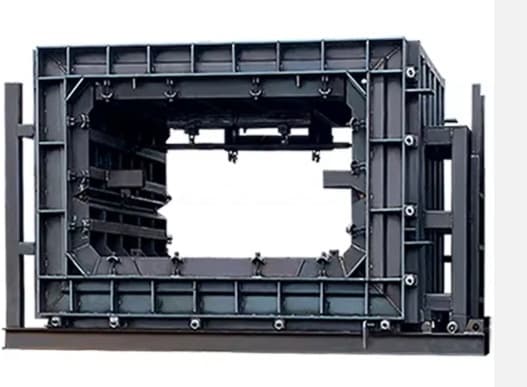
Technical summary
Before approving a steel mold, prepare drawings, dimensions, tolerance, production volume, surface requirement, demolding method, lifting points and transport limits.
Field notes
Precast Steel Mold Technical Guide operating variables
Before approving a steel mold, prepare drawings, dimensions, tolerance, production volume, surface requirement, demolding method, lifting points and transport limits.
Parameters to verify
- Approve element drawings before mold fabrication.
- Check tolerance and surface finish expectations.
- Review demolding and lifting details.
- Confirm transport splits and trial assembly.
Records and inputs
- Element drawings
- Tolerance class
- Expected cycles
- Vibration method
Failure modes to watch
- Demolding not studied.
- Stiffness weak.
- Repair access poor.
Visual workflow
Steel mold review before fabrication
A mold purchase should move from element drawings to stiffness, surface, demolding, trial assembly, packing and measurement records. Supporting visual: battery mold as the related product or interface reference for this workflow.
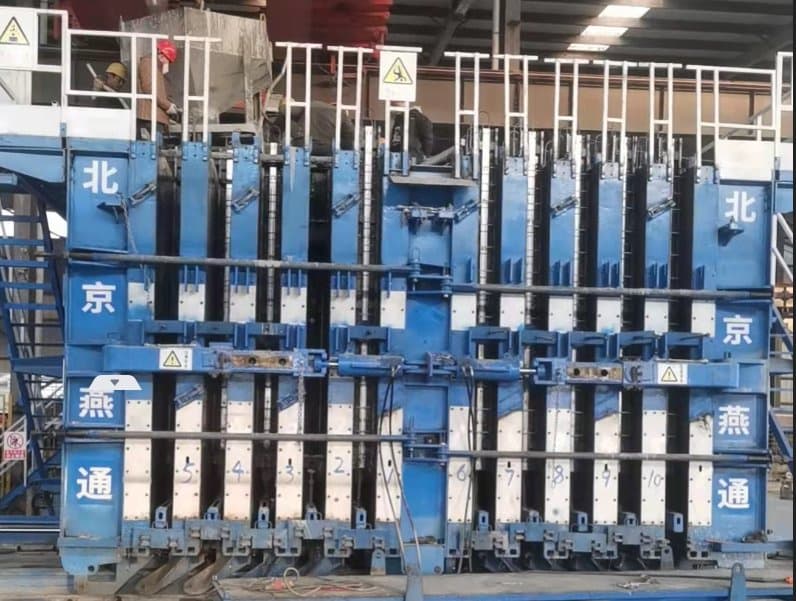
Geometry, embeds, openings and tolerance must be approved before steel cutting.
Plate and stiffener layout should match concrete pressure and vibration.
Finish class, release agent and repair limits determine mold-face requirements.
Opening direction and lifting method must release the element without damage.
Factory trial assembly and measurement records catch errors before shipping.
Packing supports and reassembly method protect accuracy.
Production context
Steel molds decide element geometry, surface quality and repeatability. A low-cost mold can become expensive if it slows cycles or creates repair work.
Where this applies
- Custom mold sourcing
- Wall and beam mold review
- Infrastructure element molds
- Mold factory drawing approval
Engineering variables
- Approve element drawings before mold fabrication.
- Check tolerance and surface finish expectations.
- Review demolding and lifting details.
- Confirm transport splits and trial assembly.
System interfaces
- Compare mold stiffness, cycle time and service life.
- Ask for fabrication drawings and inspection points.
- Check which parts are adjustable and which are fixed.
Production evidence checklist
| Production variable | Why it matters in production | Records or evidence to inspect | Interface risk |
|---|---|---|---|
| Final element drawing | Locks geometry, openings, embedded parts, lifting points, tolerance and demolding direction before fabrication. | Approved PDF/DWG drawings, reinforcement and insert drawings, finish requirement and revision status. | Late drawing changes after steel cutting create cost, delay and dimensional compromise. |
| Mold stiffness and support | Controls plate thickness, stiffener layout, vibration behavior, deformation and service life. | Mold drawings, stiffener plan, expected concrete pressure, vibration method and trial measurement points. | A mold can look heavy but still move at the wrong location during vibration or lifting. |
| Surface and finish | Defines plate face material, grinding, release agent compatibility, repair allowance and inspection lighting. | Required finish class, sample photos, coating plan, surface tolerance and accepted repair method. | Strength and dimensions can pass while the element is rejected for face defects or inconsistent appearance. |
| Demolding sequence | Sets opening direction, taper, hydraulic/manual release, lifting anchors and corner protection. | Demolding drawing, lifting plan, corner details, release strength and operator access points. | The mold may cast the element but damage it during release if demolding is not designed early. |
| Transport and trial assembly | Defines shipping split, bolted joints, reassembly accuracy, packing supports and acceptance before dispatch. | Packing plan, trial assembly record, measurement sheet, transport limits and reassembly responsibility. | Large molds can deform or lose accuracy between factory trial assembly and site production. |
Technical references
Original sources and related manuals
Open the governing standard record, original process source or related product manual for the underlying scope and terminology.
Use the product manual to read stiffness, surface, demolding, transport and trial assembly questions.
Open process referencePRECAST.WORLDTilting table interfaceUse this reference when mold performance depends on table flatness, tilt and demolding workflow.
Open process referencePRECAST.WORLDPrecast concrete vibrator manualUse this reference when mold stiffness, concrete pressure and vibration method must be checked together.
Open process referenceElematicChoosing a wall panel production lineManufacturer process note for wall-line scope, product repetition, station sequence and production constraints.
Open process referenceElematicWall production line familiesSpecific manufacturer overview of circulation lines, battery molds, tilting tables, staircase molds and beam/column mold interfaces.
Open process referenceWeak assumptions seen in projects
- Approving drawings too quickly.
- Focusing only on steel weight.
- Ignoring operator access and cleaning.
Inspection and acceptance points
- Demolding not studied.
- Stiffness weak.
- Repair access poor.
- Inspection scope unclear.
FAQ
What is the first decision to make for precast steel mold technical guide?
Start with product type, target capacity and local requirements. These inputs shape equipment, mold, material and quality-control choices.
What information should be prepared before speaking with suppliers?
Prepare drawings, target output, local standards, installation limits, available utilities, budget range and the questions you need answered.
Need to frame the technical context?
Send product type, capacity target, standards, drawings, photos or quality issues. PRECAST.WORLD will turn them into clearer technical notes for the next discussion.