Molds
Custom Precast Mold Technical Risks
Technical-scope mistakes that create mold delays, quality problems or higher lifecycle cost.
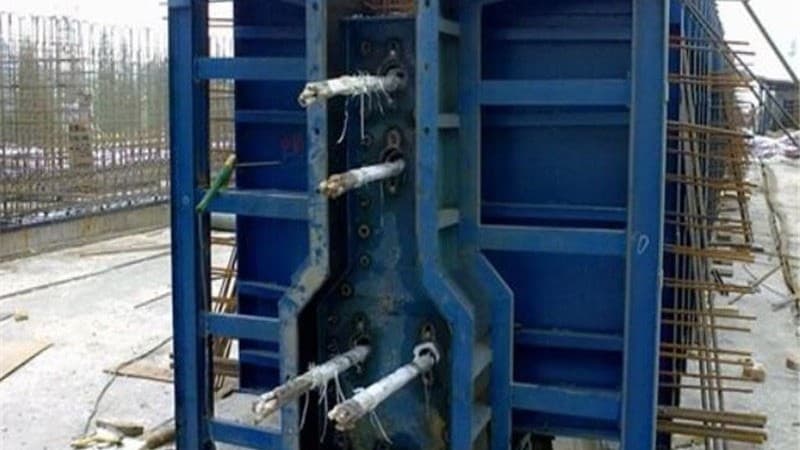
Technical summary
Custom molds need close review because small assumptions in drawings, demolding and tolerances become daily production problems.
Field notes
Custom Precast Mold Technical Risks operating variables
Custom molds need close review because small assumptions in drawings, demolding and tolerances become daily production problems.
Parameters to verify
- Freeze drawings before fabrication.
- Review demolding sequence.
- Clarify tolerance and finish.
- Specify inspection and trial assembly.
Records and inputs
- Final drawings
- Embedded part list
- Tolerance requirements
- Expected cycles
Failure modes to watch
- Drawing changes late.
- Demolding conflict.
- Weak stiffness.
Visual workflow
Custom mold purchase as approval sequence
Custom mold risk should be controlled from drawing approval through demolding, tolerance measurement, vibration, trial assembly and packing. Supporting visual: precast steel mold as the related product or interface reference for this workflow.
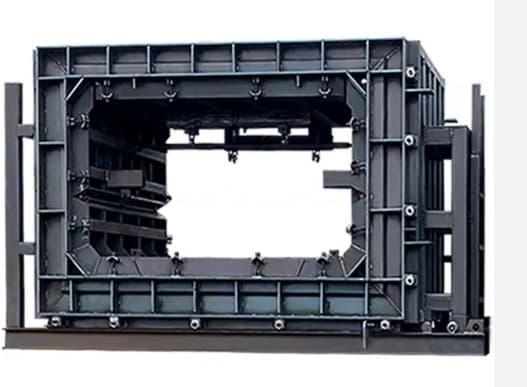
Freeze geometry, inserts, finish and tolerance.
Demolding direction and lifting protect corners and surfaces.
Agree datum points before fabrication acceptance.
Pressure and vibration must not move the mold.
Measure before dispatch.
Protect accuracy during transport and restart.
Production context
Custom molds need close review because small assumptions in drawings, demolding and tolerances become daily production problems.
Where this applies
- custom mold planning and comparison
- mistakes planning and comparison
- technical guide planning and comparison
Engineering variables
- Freeze drawings before fabrication.
- Review demolding sequence.
- Clarify tolerance and finish.
- Specify inspection and trial assembly.
System interfaces
- Compare suppliers by engineering review quality.
- Ask for 3D or detailed fabrication drawings.
- Check packaging and installation support.
Production evidence checklist
| Production variable | Why it matters in production | Records or evidence to inspect | Interface risk |
|---|---|---|---|
| Unstable drawings | Controls whether the mold can be fabricated, measured and accepted without repeated change. | Final drawing package, revision log, insert list, tolerance class and approval owner. | A custom mold ordered from incomplete drawings becomes a negotiation about rework. |
| Demolding direction | Sets taper, opening sequence, hydraulics, lifting points and corner protection. | Demolding drawing, element weight, lifting layout, release strength and operator access. | A mold can form the shape correctly but still damage the element during release. |
| Tolerance measurement | Defines gauge points, trial assembly records, accepted deviation and site reassembly method. | Measurement sheet, inspection tools, datum points and factory trial report. | Tolerance disputes are hard to resolve when the measurement method was not agreed first. |
| Vibration and stiffness | Connects plate thickness, stiffeners, weld distortion, external vibrators and surface finish. | Vibration method, concrete pressure, mold drawings, weld inspection and deformation checks. | Weak mold stiffness creates dimensional and surface problems that look like concrete defects. |
| Packing and restart | Protects accuracy during shipping, storage, site assembly and first production after arrival. | Packing plan, support positions, lifting lugs, assembly manual and restart checklist. | Large molds can lose accuracy between supplier trial assembly and factory startup. |
Technical references
Original sources and related manuals
Open the governing standard record, original process source or related product manual for the underlying scope and terminology.
Use this manual to read custom mold stiffness, surface, demolding and shipping scope.
Open process referencePRECAST.WORLDPrecast concrete vibrator manualUse this reference when mold design depends on external or table vibration.
Open process referencePRECAST.WORLDDimensional accuracy articleUse this article when mold purchase depends on agreed measurement evidence.
Open process referenceRATECEasy Form siderail systemManufacturer product/process reference for reusable formwork, side rails, magnets and casting-table interfaces.
Open process referenceWeak assumptions seen in projects
- Changing design after fabrication starts.
- Ignoring reinforcement interference.
- Skipping trial fit checks.
Inspection and acceptance points
- Drawing changes late.
- Demolding conflict.
- Weak stiffness.
- No trial assembly evidence.
FAQ
What is the first decision to make for custom precast mold technical risks?
Start with product type, target capacity and local requirements. These inputs shape equipment, mold, material and quality-control choices.
What information should be prepared before speaking with suppliers?
Prepare drawings, target output, local standards, installation limits, available utilities, budget range and the questions you need answered.
Need to frame the technical context?
Send product type, capacity target, standards, drawings, photos or quality issues. PRECAST.WORLD will turn them into clearer technical notes for the next discussion.