Molds
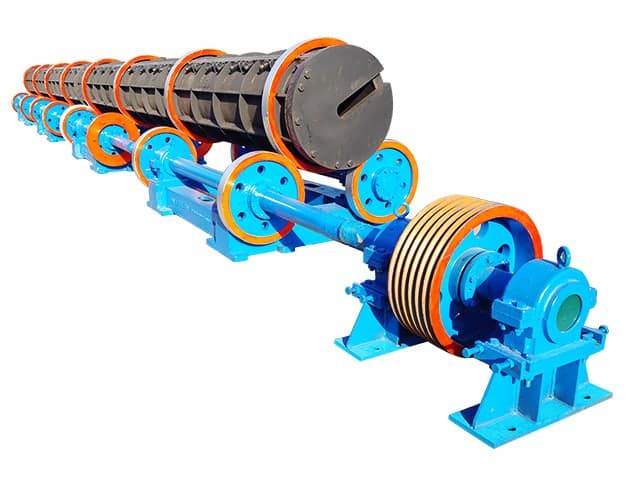
Spun Pile Mold
A rotating steel mold used in centrifugal pile production to form a dense hollow or solid prestressed pile with controlled diameter, wall profile and end details.
Spun pile molds need accurate flanges, balanced rotation, reliable bolts and curing compatibility; joint wear quickly becomes a quality and safety issue.
A spun pile mold rotates at high speed while concrete compacts by centrifugal force. Mold stiffness and joint accuracy affect pile quality directly.
- Prestressed concrete piles
- Utility poles
- Foundation works
- Marine piles
- Pile diameter and length
- Mold flange machining
- Bolt grade and spacing
- Dynamic balance
Product photographs
Product form, interfaces and production context
The views below show the product itself together with relevant handling, installation or production interfaces.
Primary product view
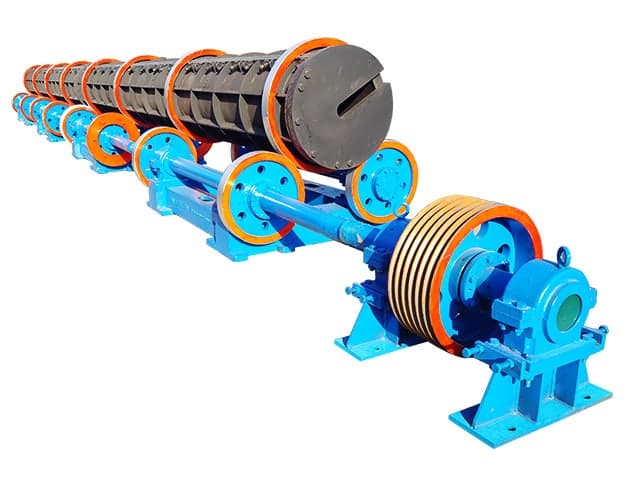
A rotating steel mold used in centrifugal pile production to form a dense hollow or solid prestressed pile with controlled diameter, wall profile and end details.
Overall product view showing the form and principal interfaces.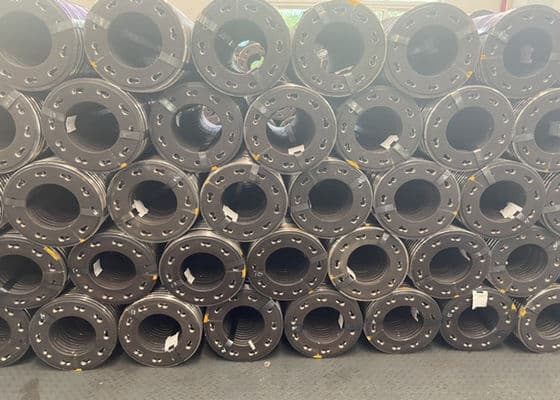
Pile end plate interface
End plates, tendon layout and mold flange details must match the pile standard before trial production.
Use this as a connection and tensioning interface reference.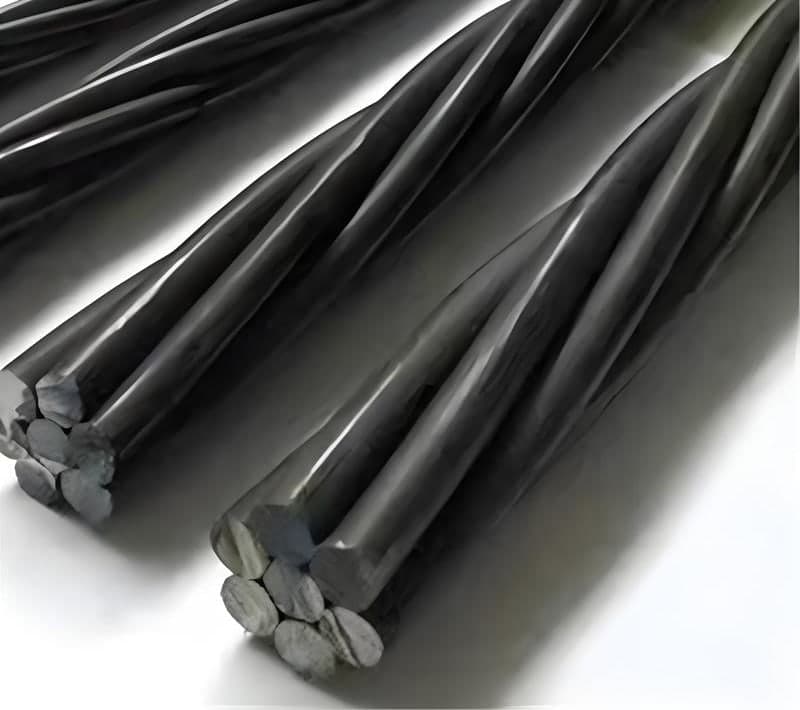
PC strand and prestressing material
Prestressing wire or strand is part of the pile production system, not a separate commodity decision.
Use with tensioning method and calibration records.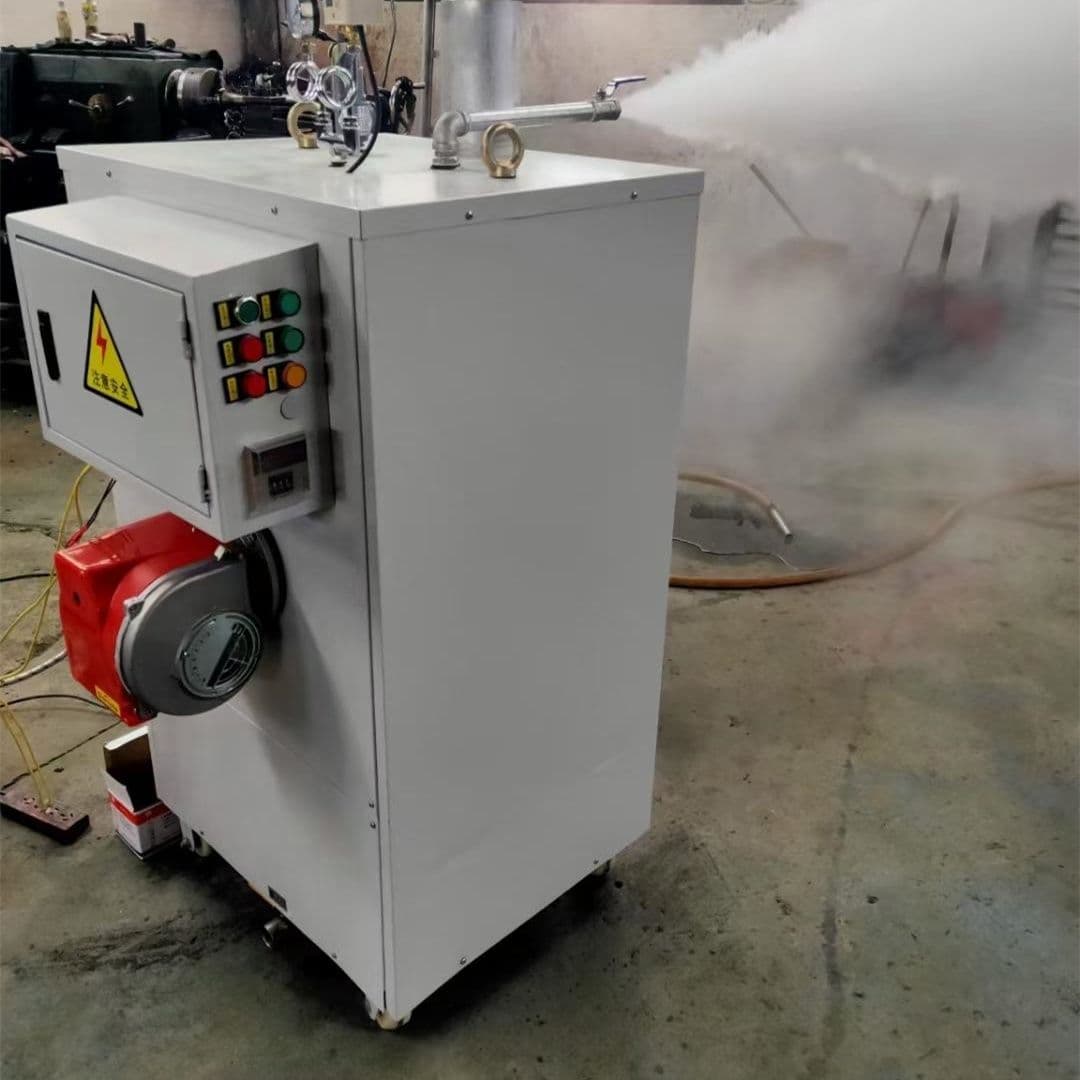
Steam curing equipment
Steam curing cycle, temperature rise and cooling affect pile turnover and early strength.
Use as a curing-process interface reference. For spun pile mold, check this interface with adjacent equipment, handling sequence and inspection records.Process references
Use this article to connect spun pile mold with production variables, field evidence and interface checks.
Open process referencePRECAST.WORLDPrecast Steel Mold Technical GuideUse this article to connect spun pile mold with production variables, field evidence and interface checks.
Open process referencePRECAST.WORLDPile End Plate manualUse this manual when spun pile mold depends on pile end plate selection, handling or inspection.
Open process referenceWeiler GmbHPoles, piles and columns equipmentOfficial manufacturer reference for spun pole and pile molds, concrete delivery, cage welding, centrifugal spinning, curing and handling scope.
Open process referenceTechnical references
Standards context for Spun Pile Mold
These references identify where a technical review often starts. They are not a declaration of compliance, product approval or a replacement for the adopted project code.
Common rules for precast concrete products
Common requirements for precast concrete product standards, including basic performance and conformity-assessment context.
Use it as a common precast reference only. A product-specific standard and the project's adopted national rules take precedence.View standard recordLow-Relaxation, Seven-Wire Steel Strand for Prestressed Concrete
Seven-wire low-relaxation steel strand used in prestressed concrete applications.
Relevant to prestressed product systems; it does not specify the pile, slab, mold, lifting method or production equipment by itself.View standard recordBuilding Code Requirements for Structural Concrete
Structural concrete requirements for design and detailing in jurisdictions that adopt ACI 318.
A design-code reference, not a product approval or a substitute for the governing project code and engineer's drawings.View standard recordField notes
Spun Pile Mold operating variables
Spun pile molds need accurate flanges, balanced rotation, reliable bolts and curing compatibility; joint wear quickly becomes a quality and safety issue.
Parameters to verify
- Pile diameter and length
- Mold flange machining
- Bolt grade and spacing
- Dynamic balance
Records and inputs
- Pile standard
- Diameter and wall thickness
- Tensioning method
- Spinning machine data
Failure modes to watch
- Mold vibration at speed.
- Flange leakage or mismatch.
- Bolt fatigue.
Main types
- PHC pile molds
- PC pile molds
- Utility pole molds
- Custom diameter molds
Key specifications
- Pile diameter and length
- Mold flange machining
- Bolt grade and spacing
- Dynamic balance
- Steam curing compatibility
- Joint wear allowance
Technical interface matrix
Read the product through application, geometry, production interface and acceptance evidence before comparing catalog data, drawings or technical offers.
| Area | Variables to check | Evidence normally needed | Interface risk |
|---|---|---|---|
| Application fit | Prestressed concrete piles; Utility poles; Foundation works | Pile standard; Diameter and wall thickness | Mold vibration at speed. |
| Type and geometry | PHC pile molds; PC pile molds; Utility pole molds; Custom diameter molds | Pile standard; Diameter and wall thickness; Tensioning method | Flange leakage or mismatch. |
| Production interface | Start from pile standard and diameter series.; Match mold length and weight to the spinning machine.; Check flange machining and balance records. | Tensioning method; Spinning machine data; Curing method | Bolt fatigue. |
| Inspection and acceptance | Bolt grade and spacing; Dynamic balance; Steam curing compatibility; Joint wear allowance | Spinning machine data; Curing method; Expected mold turnover; Mold vibration at speed. | End plate pattern mismatch. |
Technical selection variables
- Start from pile standard and diameter series.
- Match mold length and weight to the spinning machine.
- Check flange machining and balance records.
- Plan end plates, cages and tensioning together.
Compare spun pile mold procurement scope
Spun pile molds should be checked together with spinning speed, tensioning, end plates, cages and steam curing. A mold-only proposal can hide major integration risk.
| Decision factor | Mold-only purchase | Line-integrated mold package | Evidence to inspect |
|---|---|---|---|
| Integration | Factory must match mold weight, wheels and speed to existing equipment | Supplier coordinates mold, spinning machine and tensioning workflow | Compatibility data with the spinning machine, tensioning bed and curing process. |
| Quality risk | Flange wear, leakage and vibration can appear after installation | Balance and flange details are reviewed against the line | Balance records, flange tolerance and bolt specification. |
| Lifecycle cost | Lower first price but more factory-side coordination | Higher package cost but clearer responsibility | Mold turnover, spare bolts, gasket details and repair support. |
Project interfaces and failure modes
- Comparing only steel thickness.
- Ignoring flange wear and bolt replacement.
- Using molds outside the spinning machine speed range.
Drawings and field data normally required
- Pile standard
- Diameter and wall thickness
- Tensioning method
- Spinning machine data
- Curing method
- Expected mold turnover
Inspection and interface points
- Mold vibration at speed.
- Flange leakage or mismatch.
- Bolt fatigue.
- End plate pattern mismatch.
- Steam curing distorts or corrodes weak details.
Requirement checklists and evidence
Use these scope-control briefs when preparing technical assumptions, commissioning scope and acceptance evidence.
FAQ
What should be checked before comparing spun pile molds?
Confirm the element type, production capacity, local standard, installation condition and maintenance capability first. Price comparison is weak when these basics are unclear.
Can PRECAST.WORLD organize technical evidence for this topic?
Yes. The goal is to organize production variables, drawings, photos, records and interface questions so the next technical discussion starts from evidence instead of assumptions.
Ask the technical desk about spun pile mold
Send product type, capacity target, standards, drawings, photos or quality issues. PRECAST.WORLD will turn them into clearer technical notes for the next discussion.