Equipment
Spun Pile Production Line Guide
Production-line questions for PHC and PC pile molds, cages, tensioning, spinning and curing.
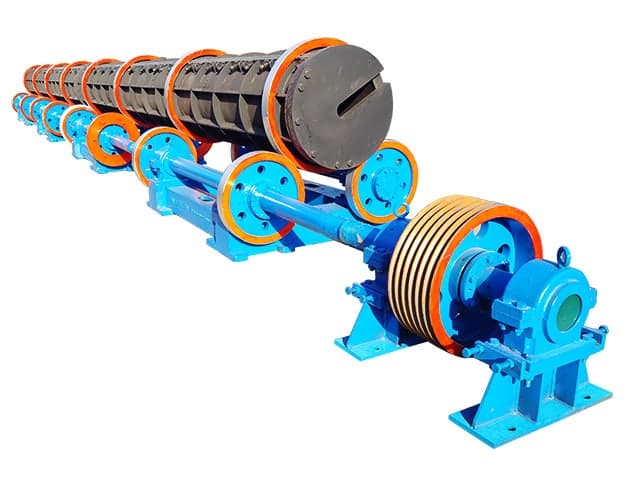
Technical summary
Spun pile production combines mold quality, cage preparation, prestressing, concrete feeding, spinning and steam curing.
Field notes
Spun Pile Production Line Guide operating variables
Spun pile production combines mold quality, cage preparation, prestressing, concrete feeding, spinning and steam curing.
Parameters to verify
- Confirm pile standard and diameter range.
- Match molds with spinning machine and tensioning system.
- Plan steam curing and mold turnover.
- Check end plate and cage accuracy.
Records and inputs
- Pile standard
- Diameter and length
- Target output
- Curing method
Failure modes to watch
- Mold turnover too slow.
- Balance issues.
- End plate mismatch.
Visual workflow
Spun pile line as rotating-mold system
Spun pile production connects pile standard, end plate, cage, prestressing, mold balance, spinning program, steam curing and yard handling. Supporting visual: pile end plate as the related product or interface reference for this workflow.
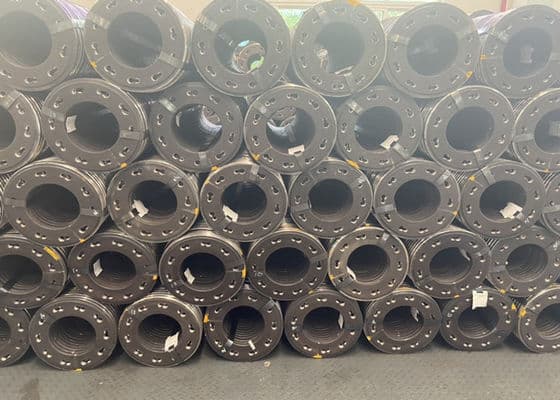
Diameter, wall thickness, tendon pattern and load class set the product basis.
Hole pattern and flatness must match strand or PC bar layout.
Flange accuracy, bolts, balance and machine speed control safe rotation.
Concrete feeding and spinning program control compaction and wall thickness.
Steam or heat curve releases strength without distorting product quality.
Demolding, lifting and support points protect long piles before delivery.
Production context
Spun pile production combines mold quality, cage preparation, prestressing, concrete feeding, spinning and steam curing.
Where this applies
- pile planning and comparison
- production line planning and comparison
- prestressed planning and comparison
Engineering variables
- Confirm pile standard and diameter range.
- Match molds with spinning machine and tensioning system.
- Plan steam curing and mold turnover.
- Check end plate and cage accuracy.
System interfaces
- Compare line capacity by mold sets and curing cycles.
- Ask about dynamic balance and flange maintenance.
- Review testing and quality records.
Production evidence checklist
| Production variable | Why it matters in production | Records or evidence to inspect | Interface risk |
|---|---|---|---|
| Pile standard and diameter series | Defines mold diameter, wall thickness, length, end-plate pattern, strand layout and test records. | PHC/PC pile standard, diameter table, load class, pile length range, wall thickness and project approval basis. | Molds, end plates and cages can look compatible while failing the exact local pile standard. |
| Prestressing and end plate interface | Connects tendon pattern, tensioning method, end plate holes, anchorage and release sequence. | Strand or PC bar layout, target force, end plate drawings, jack data, elongation records and release method. | Pile strength and cracking problems often start at the tensioning and end plate interface, not at spinning alone. |
| Mold and spinning machine match | Sets mold weight, dynamic balance, flange accuracy, bolt grade, speed range and safety enclosure. | Mold drawings, flange machining report, balance record, spinning speed, roller support layout and bolt replacement plan. | A heavy mold can still vibrate, leak or become unsafe if it is outside the machine speed and support assumptions. |
| Concrete, cage and feeding | Links mix workability, cage position, feeding method, compaction behavior and internal surface quality. | Mix design, aggregate grading, cage drawings, feeding method, spinning program and defect photos from trial pieces. | Segregation, wall-thickness variation and cage displacement can be mistaken for mold problems. |
| Curing and yard release | Controls steam or heat curing, mold turnover, demolding, pile storage support and delivery sequence. | Curing curve, release strength, demolding procedure, storage layout, lifting method and yard damage records. | Fast spinning capacity is wasted if curing, demolding or yard handling cannot release piles safely. |
Technical references
Original sources and related manuals
Open the governing standard record, original process source or related product manual for the underlying scope and terminology.
Use this product manual to check mold diameter, flange accuracy, spinning machine match and curing interface.
Open process referencePRECAST.WORLDPile end plate interfaceUse this reference to connect tendon pattern, end plate hole layout and prestressing workflow.
Open process referencePRECAST.WORLDPC strand and PC bar interfaceUse this reference when pile production depends on prestressing material, force and traceability.
Open process referenceWeiler GmbHPoles, piles and columns equipmentOfficial manufacturer reference for spun pole and pile molds, concrete delivery, cage welding, centrifugal spinning, curing and handling scope.
Open process referenceWeak assumptions seen in projects
- Underestimating mold quantity.
- Ignoring flange wear.
- Not coordinating end plates with tendon layout.
Inspection and acceptance points
- Mold turnover too slow.
- Balance issues.
- End plate mismatch.
- Curing energy underestimated.
FAQ
What is the first decision to make for spun pile production line guide?
Start with product type, target capacity and local requirements. These inputs shape equipment, mold, material and quality-control choices.
What information should be prepared before speaking with suppliers?
Prepare drawings, target output, local standards, installation limits, available utilities, budget range and the questions you need answered.
Need to frame the technical context?
Send product type, capacity target, standards, drawings, photos or quality issues. PRECAST.WORLD will turn them into clearer technical notes for the next discussion.