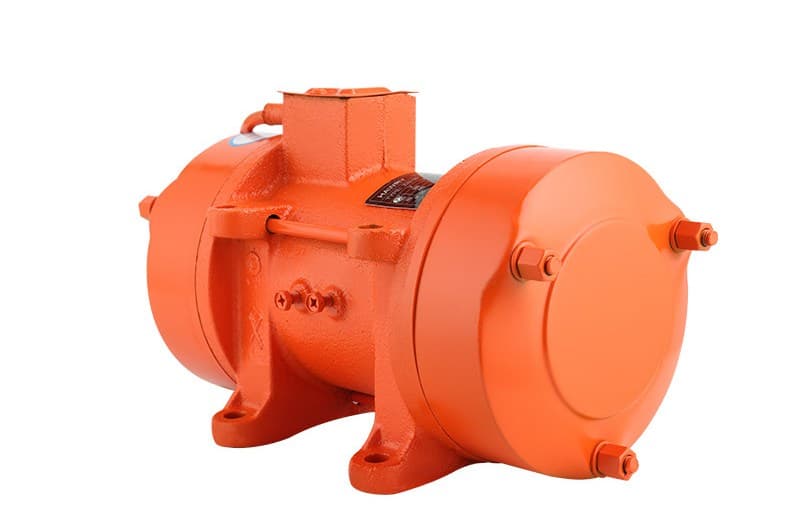
Equipment
Precast Concrete Vibrator
Internal, external or table-mounted equipment that transmits vibration into fresh concrete to consolidate the mix around reinforcement, inserts and mold faces.
Precast Concrete Vibrator should be selected around frequency, amplitude, power. Confirm use conditions, records and supplier data before comparing options.
Vibration removes trapped air and helps concrete flow around reinforcement and embedded parts. The correct type depends on mold stiffness, mix workability and product geometry.
- Wall panels
- Pipes and manholes
- Beams and columns
- Stairs
- Frequency
- Amplitude
- Power
- Mounting method
Product photographs
Product form, interfaces and production context
The views below show the product itself together with relevant handling, installation or production interfaces.
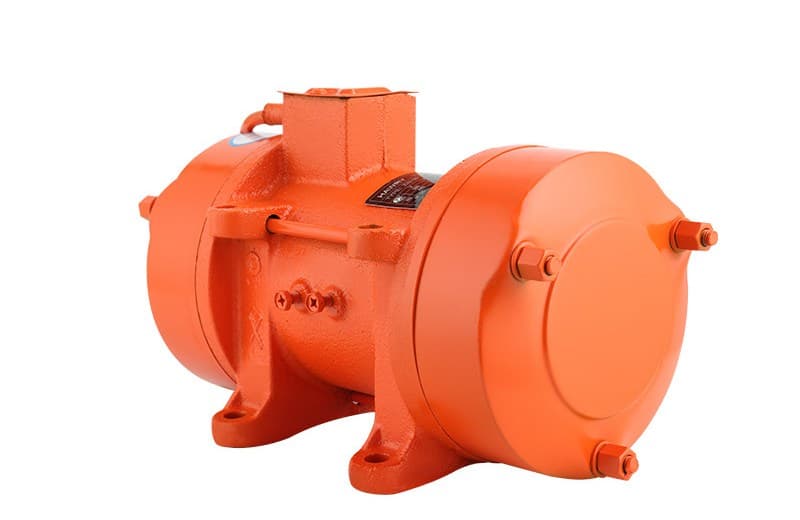
Primary product view
Internal, external or table-mounted equipment that transmits vibration into fresh concrete to consolidate the mix around reinforcement, inserts and mold faces.
Overall product view showing the form and principal interfaces.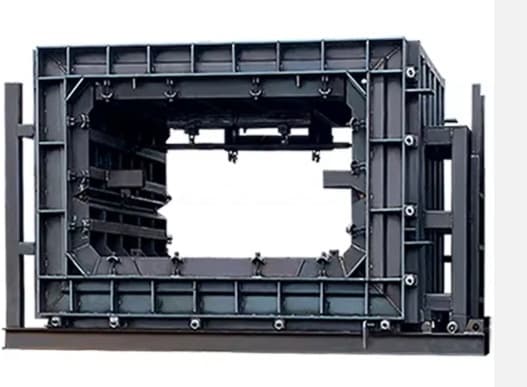
Steel mold vibration interface
External vibration must be checked against mold stiffness, welds, surface finish and reinforcement congestion.
Use as the mold-interface reference. For precast concrete vibrator, check this interface with adjacent equipment, handling sequence and inspection records.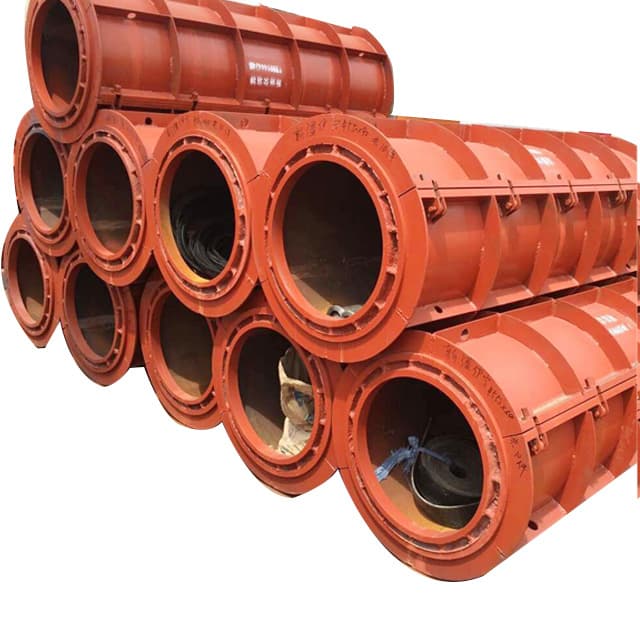
Pipe and manhole compaction
Pipe, manhole and drainage molds need compaction checks around joints, cages and edges.
Use as the infrastructure-product interface reference.Process references
Use this article to connect vibration, mix workability, reinforcement congestion and defects.
Open process referencePRECAST.WORLDSteel mold product manualUse this manual when vibration performance depends on mold stiffness and demolding method.
Open process referenceVollert Precast SolutionsPallet transport and circulation technologyExternal process reference for pallet movement, turning, storage, station interfaces and factory-control scope.
Open process referenceVollert Precast SolutionsPallet circulation system for walls and floorsSpecific process reference for casing pallets, station-to-station circulation, shuttering, concrete spreading, turning, loading and lifting.
Open process referenceVollert Precast SolutionsProduction control systemSpecific process reference for production sequencing, pallet assignment, circulation visualization, subsystem control and fault records.
Open process referenceWeiler GmbHPrecast plant, batching and concrete transport systemsOfficial manufacturer overview for batching, mixer, concrete delivery, prestressed production and plant-handling interfaces.
Open process referenceApollo Afinitas TechnologiesConcrete pipe, manhole and box-culvert plant equipmentOfficial manufacturer overview for pipe and infrastructure product lines, molds, cage welding, curing and handling equipment.
Open process referenceTechnical references
Standards context for Precast Concrete Vibrator
These references identify where a technical review often starts. They are not a declaration of compliance, product approval or a replacement for the adopted project code.
Common rules for precast concrete products
Common requirements for precast concrete product standards, including basic performance and conformity-assessment context.
Use it as a common precast reference only. A product-specific standard and the project's adopted national rules take precedence.View standard recordBuilding Code Requirements for Structural Concrete
Structural concrete requirements for design and detailing in jurisdictions that adopt ACI 318.
A design-code reference, not a product approval or a substitute for the governing project code and engineer's drawings.View standard recordField notes
Precast Concrete Vibrator operating variables
Precast Concrete Vibrator should be selected around frequency, amplitude, power. Confirm use conditions, records and supplier data before comparing options.
Parameters to verify
- Frequency
- Amplitude
- Power
- Mounting method
Records and inputs
- Product drawings
- Concrete slump or workability
- Mold type
- Defect history
Failure modes to watch
- Over-vibrating one area and missing another.
- Using external vibration on weak molds.
- Adding water instead of fixing compaction.
Main types
- Internal vibrators
- External mold vibrators
- Table vibrators
- High-frequency systems
Key specifications
- Frequency
- Amplitude
- Power
- Mounting method
- Noise level
- Control timing
Technical interface matrix
Read the product through application, geometry, production interface and acceptance evidence before comparing catalog data, drawings or technical offers.
| Area | Variables to check | Evidence normally needed | Interface risk |
|---|---|---|---|
| Application fit | Wall panels; Pipes and manholes; Beams and columns | Product drawings; Concrete slump or workability | Over-vibrating one area and missing another. |
| Type and geometry | Internal vibrators; External mold vibrators; Table vibrators; High-frequency systems | Product drawings; Concrete slump or workability; Mold type | Using external vibration on weak molds. |
| Production interface | Match vibration to mix and reinforcement congestion.; Check mold stiffness before adding external vibrators.; Train operators on duration and pattern. | Mold type; Defect history; Noise limits | Adding water instead of fixing compaction. |
| Inspection and acceptance | Power; Mounting method; Noise level; Control timing | Defect history; Noise limits; Power supply; Over-vibrating one area and missing another. | Over-vibrating one area and missing another. |
Technical selection variables
- Match vibration to mix and reinforcement congestion.
- Check mold stiffness before adding external vibrators.
- Train operators on duration and pattern.
- Review defect records after changes.
Project interfaces and failure modes
- Over-vibrating one area and missing another.
- Using external vibration on weak molds.
- Adding water instead of fixing compaction.
Drawings and field data normally required
- Product drawings
- Concrete slump or workability
- Mold type
- Defect history
- Noise limits
- Power supply
Inspection and interface points
- Over-vibrating one area and missing another.
- Using external vibration on weak molds.
- Adding water instead of fixing compaction.
FAQ
What should be checked before comparing precast concrete vibrator?
Confirm the element type, production capacity, local standard, installation condition and maintenance capability first. Price comparison is weak when these basics are unclear.
Can PRECAST.WORLD organize technical evidence for this topic?
Yes. The goal is to organize production variables, drawings, photos, records and interface questions so the next technical discussion starts from evidence instead of assumptions.
Ask the technical desk about precast concrete vibrator
Send product type, capacity target, standards, drawings, photos or quality issues. PRECAST.WORLD will turn them into clearer technical notes for the next discussion.