Molds
How to Reduce Precast Mold Cost
Ways to reduce mold cost without damaging quality, tolerance or production speed.
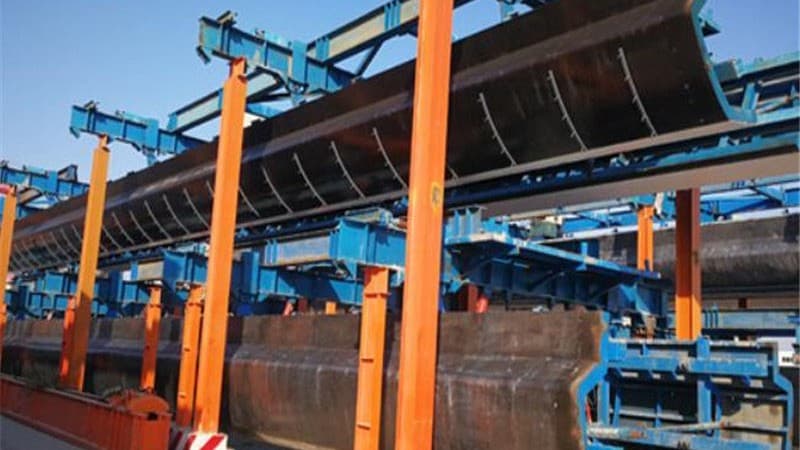
Technical summary
Mold cost reduction should start with standardization and product strategy, not simply thinner steel or fewer checks.
Field notes
How to Reduce Precast Mold Cost operating variables
Mold cost reduction should start with standardization and product strategy, not simply thinner steel or fewer checks.
Parameters to verify
- Standardize repeat dimensions.
- Separate permanent and adjustable mold parts.
- Design for easy demolding.
- Plan shared accessories.
Records and inputs
- Product family drawings
- Expected order volume
- Tolerance needs
- Surface finish
Failure modes to watch
- Cost saving harms tolerance.
- Changeover becomes slow.
- Repair frequency increases.
Visual workflow
Mold cost as lifecycle decision
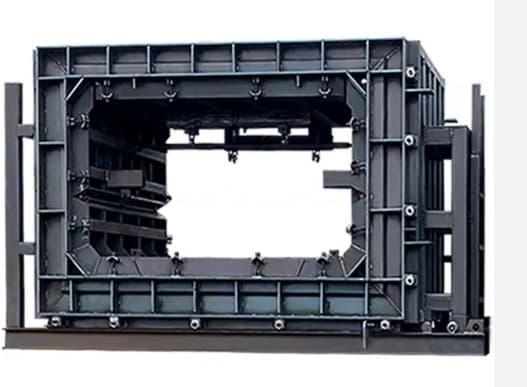
Mold cost reduction should protect drawing certainty, stiffness, demolding, transport, trial assembly and lifecycle maintenance. Supporting visual: precast steel mold as the related product or interface reference for this workflow.
Stable drawings avoid the most expensive changes.
Remove unnecessary adjustment without losing required variation.
Keep stiffness where pressure, lifting and vibration demand it.
Design transport and reassembly before shipping.
Measure before dispatch, not after installation.
Compare cost per usable cycle and defect rate.
Production context
Mold cost reduction should start with standardization and product strategy, not simply thinner steel or fewer checks.
Where this applies
- mold cost planning and comparison
- formwork planning and comparison
- planning planning and comparison
Engineering variables
- Standardize repeat dimensions.
- Separate permanent and adjustable mold parts.
- Design for easy demolding.
- Plan shared accessories.
System interfaces
- Compare total cost per cycle.
- Ask which tolerances drive fabrication cost.
- Check whether modularity increases or reduces labor.
Production evidence checklist
| Production variable | Why it matters in production | Records or evidence to inspect | Interface risk |
|---|---|---|---|
| Drawing freeze | Prevents rework, steel cutting changes, late inserts and avoidable trial delays. | Approved drawings, revision log, insert schedule, tolerance class and finish requirement. | Trying to save mold cost before drawings are stable usually creates higher change cost later. |
| Fixed versus adjustable scope | Balances first price, changeover time, tolerance, wear and future product variation. | Product range, adjustment points, expected repeats, changeover time and locking detail. | Too much adjustment can reduce accuracy and slow daily production. |
| Stiffness and service life | Controls plate thickness, stiffeners, vibration behavior, deformation and repair frequency. | Mold drawings, expected pressure, vibration method, cycle count and measurement points. | Reducing steel weight can shift cost into defects, repair and short service life. |
| Transport and assembly split | Defines packing, shipping size, reassembly accuracy, trial assembly and site responsibility. | Transport limits, split drawings, bolted joints, measurement sheet and packing plan. | A cheap large mold can become expensive when transport deformation or reassembly is ignored. |
| Lifecycle maintenance | Adds wear plates, seals, hinges, hydraulics, spare parts and cleaning tools to the cost view. | Spare list, maintenance interval, damaged part history and local repair capability. | Mold cost should be compared by usable cycles and defect rate, not only purchase price. |
Technical references
Original sources and related manuals
Open the governing standard record, original process source or related product manual for the underlying scope and terminology.
Use this manual to check stiffness, surface, demolding and transport scope.
Open process referencePRECAST.WORLDBridge girder mold manualUse this reference when heavy molds change cost through stiffness and handling.
Open process referencePRECAST.WORLDSegmental bridge mold manualUse this reference when mold cost is driven by precision and trial assembly.
Open process referenceElematicChoosing a wall panel production lineManufacturer process note for wall-line scope, product repetition, station sequence and production constraints.
Open process referenceElematicWall production line familiesSpecific manufacturer overview of circulation lines, battery molds, tilting tables, staircase molds and beam/column mold interfaces.
Open process referenceWeak assumptions seen in projects
- Reducing steel thickness in critical areas.
- Ignoring future product variants.
- Saving on locks and adjustment hardware.
Inspection and acceptance points
- Cost saving harms tolerance.
- Changeover becomes slow.
- Repair frequency increases.
- Modularity is not practical.
FAQ
What is the first decision to make for how to reduce precast mold cost?
Start with product type, target capacity and local requirements. These inputs shape equipment, mold, material and quality-control choices.
What information should be prepared before speaking with suppliers?
Prepare drawings, target output, local standards, installation limits, available utilities, budget range and the questions you need answered.
Need to frame the technical context?
Send product type, capacity target, standards, drawings, photos or quality issues. PRECAST.WORLD will turn them into clearer technical notes for the next discussion.