Equipment
Concrete Pipe Production Equipment Guide
Equipment choices for concrete pipe production, joint design, curing and gasket compatibility.
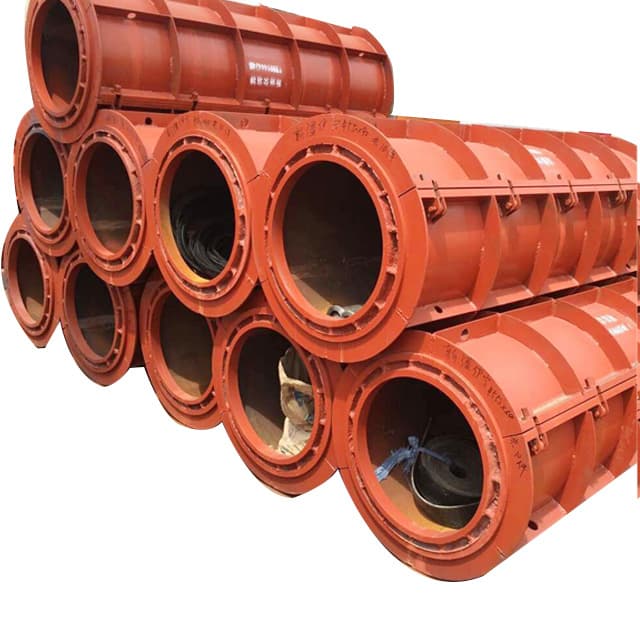
Technical summary
Concrete pipe production depends on pipe diameter, reinforcement, joint profile, compaction method and curing workflow.
Field notes
Concrete Pipe Production Equipment Guide operating variables
Concrete pipe production depends on pipe diameter, reinforcement, joint profile, compaction method and curing workflow.
Parameters to verify
- Define pipe diameter range and standards.
- Select vibration, radial press or centrifugal process.
- Check joint design and gasket compatibility.
- Plan cage making and handling.
Records and inputs
- Pipe standard
- Diameter range
- Joint drawings
- Reinforcement design
Failure modes to watch
- Joint tolerance weak.
- Mold cost underestimated.
- Handling route unsafe.
Visual workflow
Pipe production as joint-quality workflow
Pipe equipment must be read through joint geometry, reinforcement cage flow, concrete compaction, curing, handling and leakage/load testing. Supporting visual: concrete pipe gasket as the related product or interface reference for this workflow.
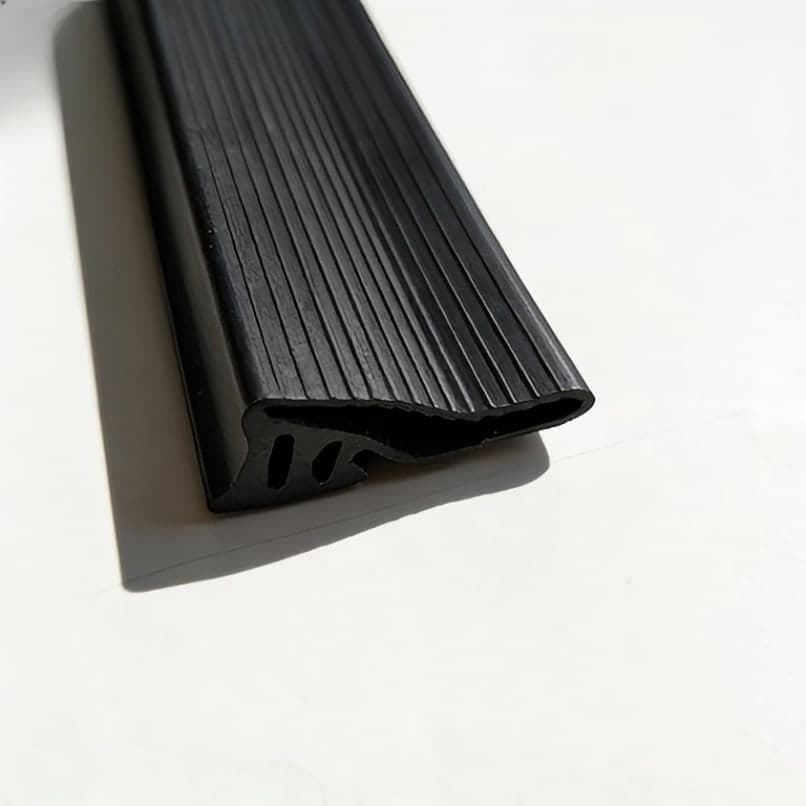
Joint profile, wall thickness and cage clearance must match the pipe standard.
Cage output and spacer control often decide pipe quality before concrete arrives.
Vibration, radial press or centrifugal method sets concrete and mold requirements.
Release strength must protect pipe ends and joint edges.
Lifting and yard route should avoid chips, ovality and joint damage.
Leakage, load, dimension and strength records prove acceptance.
Production context
Concrete pipe production depends on pipe diameter, reinforcement, joint profile, compaction method and curing workflow.
Where this applies
- pipe planning and comparison
- equipment planning and comparison
- gasket planning and comparison
Engineering variables
- Define pipe diameter range and standards.
- Select vibration, radial press or centrifugal process.
- Check joint design and gasket compatibility.
- Plan cage making and handling.
System interfaces
- Compare equipment by diameter changeover and mold cost.
- Ask about joint tolerance control.
- Review curing and yard space.
Production evidence checklist
| Production variable | Why it matters in production | Records or evidence to inspect | Interface risk |
|---|---|---|---|
| Pipe diameter and joint standard | Defines mold set, spigot/socket geometry, gasket compatibility, cage clearance and acceptance tests. | Diameter range, wall thickness, load class, joint drawings, gasket profile and local pipe standard. | A pipe may meet dimensions but fail leakage or joint assembly if gasket and joint details are separated. |
| Production method | Separates vibration, radial press, dry-cast and centrifugal assumptions for molds, concrete and cycle time. | Selected process, concrete consistency, cage method, demolding timing, curing method and target pieces per day. | Using the wrong mold/process combination causes compaction, surface, dimensional and joint-quality problems. |
| Reinforcement cage workflow | Sets cage machine needs, spacer method, clearance checks and pre-cast inspection. | Cage drawings, wire/bar diameter, cover requirement, spacer detail, cage output and reject records. | Cage bottlenecks or poor clearance can control pipe quality even when the forming machine is available. |
| Curing and handling | Connects early strength, lifting method, yard route, stacking and chip prevention. | Release strength, lifting device, storage layout, repair rules, curing method and delivery batch size. | Joint edges and pipe ends are easily damaged when handling is planned after the equipment purchase. |
| Testing evidence | Defines what records must be kept for leakage, crushing/load class, dimensions and concrete strength. | Leakage test plan, load test or proof records, dimensional checks, strength results and inspection frequency. | Without test evidence, suppliers and producers argue about symptoms instead of acceptance criteria. |
Technical references
Original sources and related manuals
Open the governing standard record, original process source or related product manual for the underlying scope and terminology.
Use the product manual to check joint geometry, cage clearance, gasket interface and demolding.
Open process referencePRECAST.WORLDConcrete pipe gasket interfaceUse this reference to connect pipe joint design with leakage and gasket compatibility.
Open process referencePRECAST.WORLDConcrete pipe mold production interfaceUse this mold reference to connect mold handling, cage flow, compaction method, curing and test station layout.
Open process referenceApollo Afinitas TechnologiesConcrete pipe machines and productionOfficial joint-venture manufacturer reference for concrete pipe, manhole, box-culvert, mold, cage-welding and curing equipment scope.
Open process referenceApollo Afinitas TechnologiesCAP concrete pipe making machinesSpecific manufacturer reference for vertical vibration, reinforced and non-reinforced pipes, jacking pipes, box culverts, U-drains, manhole risers and station options.
Open process referenceWeak assumptions seen in projects
- Ignoring gasket fit during mold planning.
- Underestimating diameter changeover time.
- Skipping cage accuracy checks.
Inspection and acceptance points
- Joint tolerance weak.
- Mold cost underestimated.
- Handling route unsafe.
- Curing space too small.
FAQ
What is the first decision to make for concrete pipe production equipment guide?
Start with product type, target capacity and local requirements. These inputs shape equipment, mold, material and quality-control choices.
What information should be prepared before speaking with suppliers?
Prepare drawings, target output, local standards, installation limits, available utilities, budget range and the questions you need answered.
Need to frame the technical context?
Send product type, capacity target, standards, drawings, photos or quality issues. PRECAST.WORLD will turn them into clearer technical notes for the next discussion.