Molds
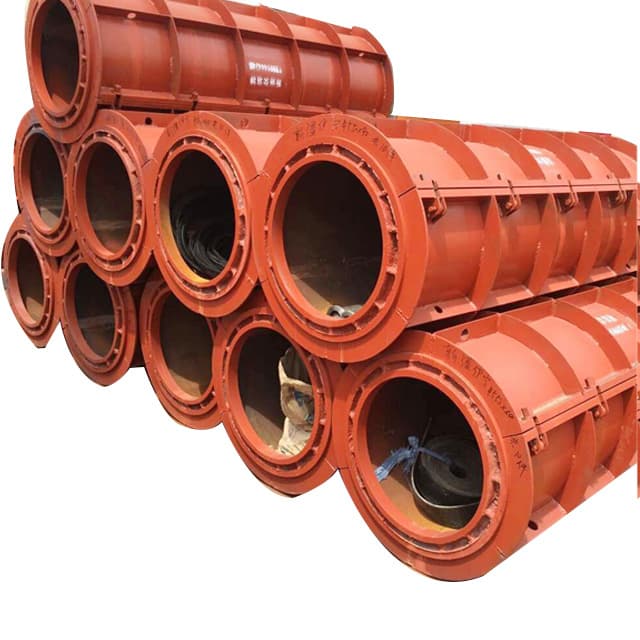
Concrete Pipe Mold
Steel production formwork for reinforced concrete pipes, establishing diameter, wall thickness, socket or spigot geometry, reinforcement clearance and compaction method.
Concrete Pipe Mold should be selected around diameter range, joint profile, wall thickness. Confirm use conditions, records and supplier data before comparing options.
Concrete pipe molds control inner diameter, wall thickness, joint shape and surface finish. They must work with the selected pipe production process.
- Drainage pipe
- Jacking pipe
- Culvert pipe
- Utility pipe factories
- Diameter range
- Joint profile
- Wall thickness
- Reinforcement cage clearance
Product photographs
Product form, interfaces and production context
The views below show the product itself together with relevant handling, installation or production interfaces.
Primary product view
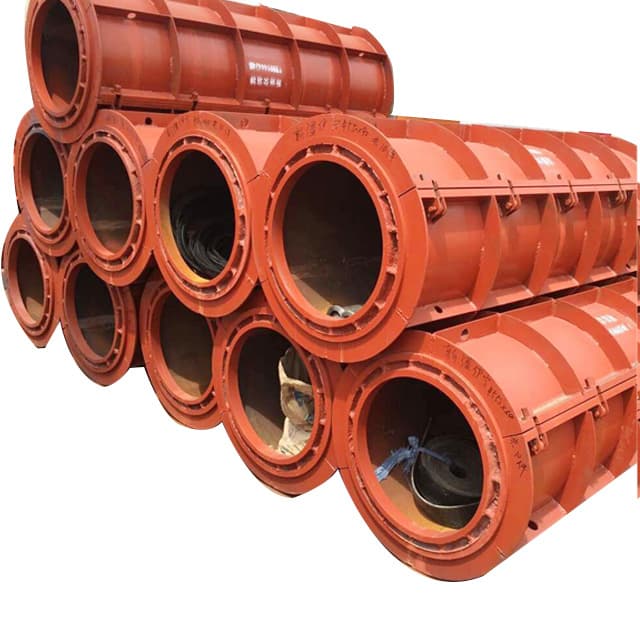
Steel production formwork for reinforced concrete pipes, establishing diameter, wall thickness, socket or spigot geometry, reinforcement clearance and compaction method.
Overall product view showing the form and principal interfaces.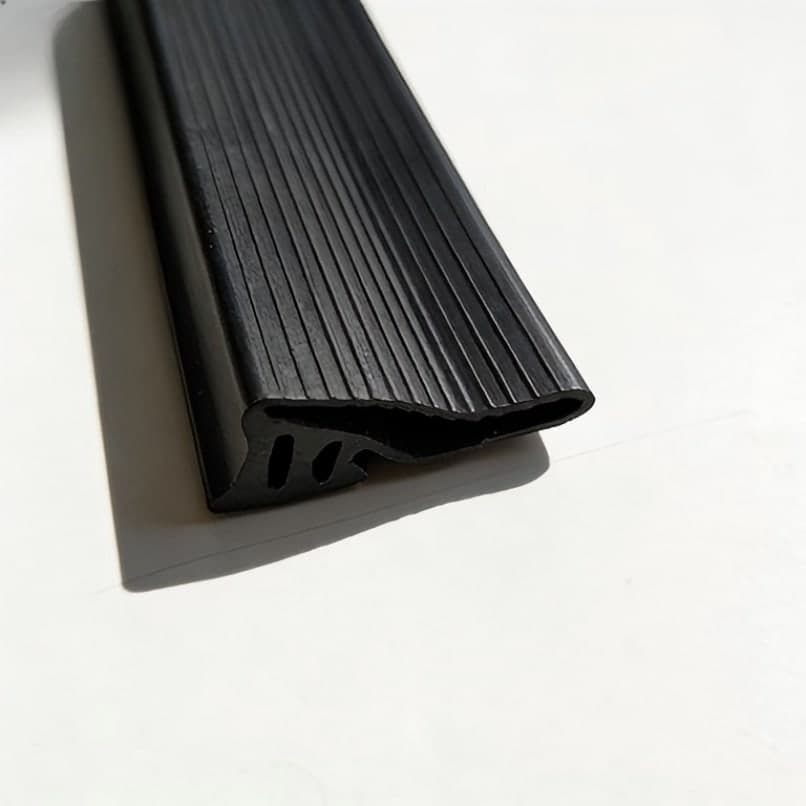
Pipe gasket interface
Joint design should be checked together with gasket profile, leakage testing and local pipe standard.
This is the accessory interface that often decides acceptance.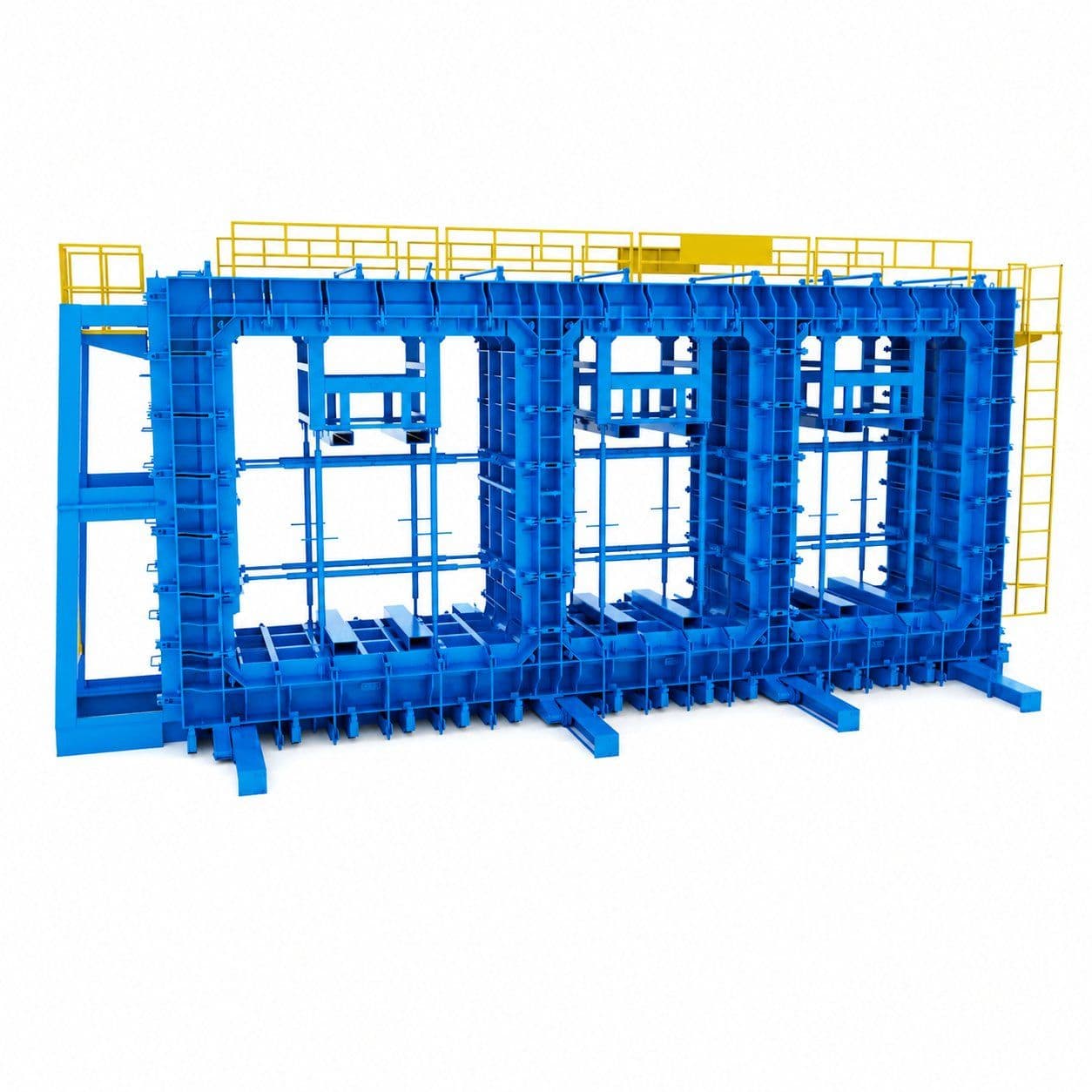
Box culvert mold reference
Drainage plants often compare pipe, manhole and box culvert molds together, but each product has different demolding forces.
Use as a related drainage-product mold reference.Process references
Use this article to connect concrete pipe mold with production variables, field evidence and interface checks.
Open process referencePRECAST.WORLDManhole Production Equipment GuideUse this article to connect concrete pipe mold with production variables, field evidence and interface checks.
Open process referencePRECAST.WORLDConcrete Pipe Gasket manualUse this manual when concrete pipe mold depends on concrete pipe gasket selection, handling or inspection.
Open process referenceApollo Afinitas TechnologiesConcrete pipe machines and productionOfficial joint-venture manufacturer reference for concrete pipe, manhole, box-culvert, mold, cage-welding and curing equipment scope.
Open process referenceApollo Afinitas TechnologiesCAP concrete pipe making machinesSpecific manufacturer reference for vertical vibration, reinforced and non-reinforced pipes, jacking pipes, box culverts, U-drains, manhole risers and station options.
Open process referenceTechnical references
Standards context for Concrete Pipe Mold
These references identify where a technical review often starts. They are not a declaration of compliance, product approval or a replacement for the adopted project code.
Common rules for precast concrete products
Common requirements for precast concrete product standards, including basic performance and conformity-assessment context.
Use it as a common precast reference only. A product-specific standard and the project's adopted national rules take precedence.View standard recordReinforced Concrete Culvert, Storm Drain, and Sewer Pipe
Reinforced concrete pipe for culvert, storm-drain and sewer applications, including classes and strength context.
Use when the project specification adopts ASTM pipe requirements; confirm the current edition, joint, load and installation requirements locally.View standard recordJoints for Concrete Pipe and Manholes, Using Rubber Gaskets
Rubber-gasket joints for concrete pipe, manholes and precast box sections.
Check the edition named in the project documents and confirm gasket geometry, leakage testing and installation method.View standard recordField notes
Concrete Pipe Mold operating variables
Concrete Pipe Mold should be selected around diameter range, joint profile, wall thickness. Confirm use conditions, records and supplier data before comparing options.
Parameters to verify
- Diameter range
- Joint profile
- Wall thickness
- Reinforcement cage clearance
Records and inputs
- Pipe standard
- Diameter range
- Joint drawings
- Production process
Failure modes to watch
- Ignoring gasket fit.
- Mixing molds and production method poorly.
- Underestimating diameter changeover time.
Main types
- Vertical vibration molds
- Radial press molds
- Centrifugal pipe molds
- Dry-cast pipe mold sets
Key specifications
- Diameter range
- Joint profile
- Wall thickness
- Reinforcement cage clearance
- Mold wear parts
- Changeover time
Technical interface matrix
Read the product through application, geometry, production interface and acceptance evidence before comparing catalog data, drawings or technical offers.
| Area | Variables to check | Evidence normally needed | Interface risk |
|---|---|---|---|
| Application fit | Drainage pipe; Jacking pipe; Culvert pipe | Pipe standard; Diameter range | Ignoring gasket fit. |
| Type and geometry | Vertical vibration molds; Radial press molds; Centrifugal pipe molds; Dry-cast pipe mold sets | Pipe standard; Diameter range; Joint drawings | Mixing molds and production method poorly. |
| Production interface | Choose the mold around pipe standard and process.; Coordinate joint details with gaskets.; Check cage clearance and vibration. | Joint drawings; Production process; Output target | Underestimating diameter changeover time. |
| Inspection and acceptance | Wall thickness; Reinforcement cage clearance; Mold wear parts; Changeover time | Production process; Output target; Ignoring gasket fit.; Mixing molds and production method poorly. | Ignoring gasket fit. |
Technical selection variables
- Choose the mold around pipe standard and process.
- Coordinate joint details with gaskets.
- Check cage clearance and vibration.
- Review mold changeover and wear parts.
Compare pipe mold and machine alignment
Pipe quality depends on joint tolerance, cage clearance, compaction method and mold wear. The mold should fit the production process and gasket design.
| Decision factor | Standard mold set | Process-matched mold package | Evidence to inspect |
|---|---|---|---|
| Joint accuracy | Requires separate checking against gasket drawings | Joint, gasket and machine method reviewed together | Joint drawings and gasket compression requirements. |
| Changeover | Works for stable diameter programs | Better for factories with varied diameters and standards | Diameter changeover time and required lifting tools. |
| Wear parts | Wear scope may be unclear in first proposal | Wear rings, pallet details and repair items included | Spare and wear-part lists for the first operating year. |
Project interfaces and failure modes
- Ignoring gasket fit.
- Mixing molds and production method poorly.
- Underestimating diameter changeover time.
Drawings and field data normally required
- Pipe standard
- Diameter range
- Joint drawings
- Production process
- Output target
Inspection and interface points
- Ignoring gasket fit.
- Mixing molds and production method poorly.
- Underestimating diameter changeover time.
Requirement checklists and evidence
Use these scope-control briefs when preparing technical assumptions, commissioning scope and acceptance evidence.
FAQ
What should be checked before comparing concrete pipe mold?
Confirm the element type, production capacity, local standard, installation condition and maintenance capability first. Price comparison is weak when these basics are unclear.
Can PRECAST.WORLD organize technical evidence for this topic?
Yes. The goal is to organize production variables, drawings, photos, records and interface questions so the next technical discussion starts from evidence instead of assumptions.
Ask the technical desk about concrete pipe mold
Send product type, capacity target, standards, drawings, photos or quality issues. PRECAST.WORLD will turn them into clearer technical notes for the next discussion.