Accessories
Rebar Coupler vs Grout Sleeve
A technical comparison of threaded couplers and grouted sleeve connections.
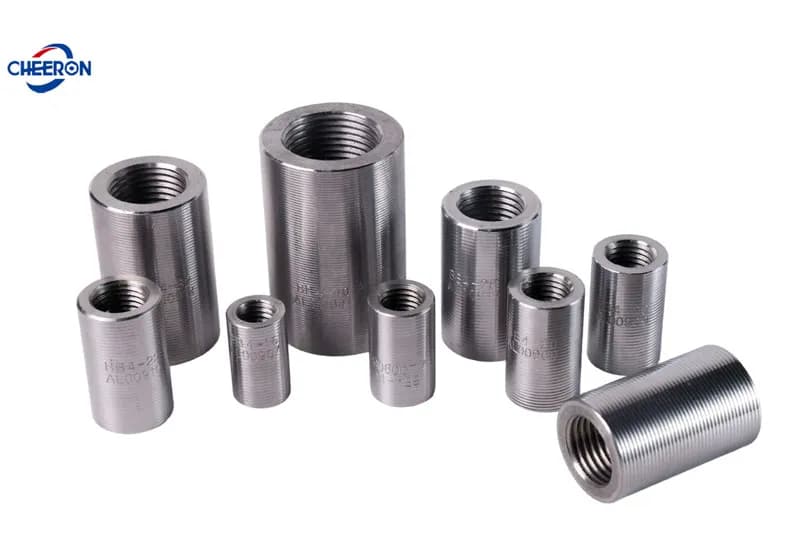
Technical summary
Both couplers and grout sleeves connect reinforcement, but they differ in alignment tolerance, installation sequence, inspection and suitable use cases.
Field notes
Rebar Coupler vs Grout Sleeve operating variables
Both couplers and grout sleeves connect reinforcement, but they differ in alignment tolerance, installation sequence, inspection and suitable use cases.
Parameters to verify
- Check structural design requirements.
- Compare site tolerance and installation workflow.
- Review testing and certification.
- Consider labor skill and inspection method.
Records and inputs
- Rebar details
- Element joint design
- Site sequence
- Inspection requirement
Failure modes to watch
- Tolerance too tight.
- Installation training weak.
- Certification mismatch.
Visual workflow
Coupler versus sleeve as site-tolerance choice
The comparison is about tolerance, site workflow, approval evidence, factory preparation and inspection records. Supporting visual: grout sleeve as the related product or interface reference for this workflow.
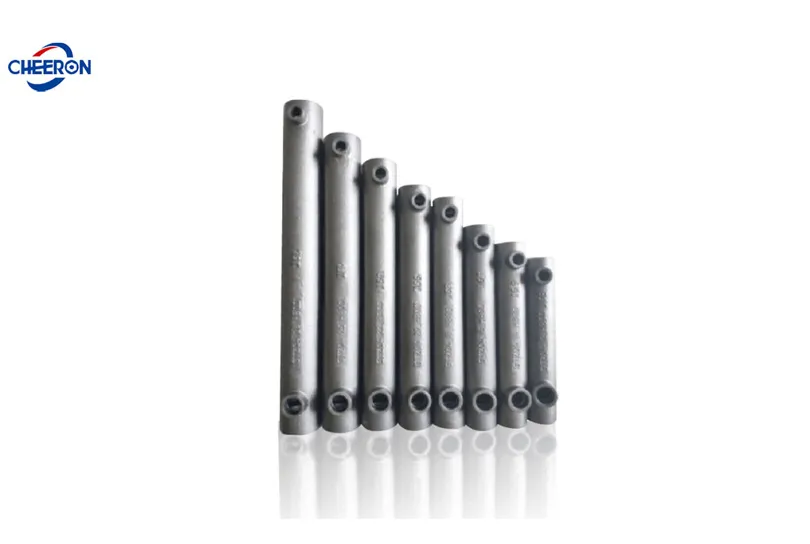
Threaded couplers need alignment; sleeves can absorb more tolerance.
Dry tightening differs from grout filling and curing.
Code and test evidence decide acceptable use.
Threading, fixtures and ports must be protected in factory.
Access and weather affect the site method.
Records make hidden connections defensible.
Production context
Both couplers and grout sleeves connect reinforcement, but they differ in alignment tolerance, installation sequence, inspection and suitable use cases.
Where this applies
- rebar coupler planning and comparison
- grout sleeve planning and comparison
- comparison planning and comparison
Engineering variables
- Check structural design requirements.
- Compare site tolerance and installation workflow.
- Review testing and certification.
- Consider labor skill and inspection method.
System interfaces
- Compare connection systems, not part price.
- Ask what happens when bars are misaligned.
- Review installation training needs.
Production evidence checklist
| Production variable | Why it matters in production | Records or evidence to inspect | Interface risk |
|---|---|---|---|
| Tolerance model | Compares rigid threaded alignment with grouted tolerance absorption during erection. | Bar position tolerance, element geometry, site access, mock-up result and installer feedback. | The wrong connection type can move cost from product purchase into site rework. |
| Wet versus dry workflow | Separates grouting, curing and fill proof from threading, torque and gauge inspection. | Installation procedure, grout records, thread gauges, torque method and weather condition. | A coupler may be faster when alignment is controlled; a sleeve may be better when tolerance is difficult. |
| Code and test evidence | Defines whether the project accepts the system for load, seismic, fatigue or slip performance. | Local code, test report, certificate, engineer approval and batch traceability. | Connection choice is not valid until the approval basis is confirmed. |
| Factory preparation | Controls bar threading, sleeve casting, port protection, jigging and quality checks before delivery. | Threading equipment, sleeve fixture, cover, port caps, inspection gauges and element drawings. | Factory preparation errors become site installation delays. |
| Inspection records | Makes hidden connections auditable after grouting, tightening or closure. | Photo record, torque or grout record, inspector sign-off, element ID and repair procedure. | Hidden connections are hard to defend if inspection evidence is missing. |
Technical references
Original sources and related manuals
Open the governing standard record, original process source or related product manual for the underlying scope and terminology.
Use this manual to check thread type, bar grade, inspection and equipment.
Open process referencePRECAST.WORLDGrout sleeve manualUse this manual to check grouting, port layout, tolerance and certification.
Open process referencePRECAST.WORLDThreaded insert manualUse this reference to distinguish embedded fixing from structural bar connection.
Open process referenceDayton SuperiorSleeve-Lock grout sleeveManufacturer product reference for grout-sleeve connection geometry, reinforcement interface and installation context.
Open process referenceWeak assumptions seen in projects
- Choosing by unit cost only.
- Ignoring site tolerance.
- Skipping mock-up installation.
Inspection and acceptance points
- Tolerance too tight.
- Installation training weak.
- Certification mismatch.
- Grout or thread quality uncontrolled.
FAQ
What is the first decision to make for rebar coupler vs grout sleeve?
Start with product type, target capacity and local requirements. These inputs shape equipment, mold, material and quality-control choices.
What information should be prepared before speaking with suppliers?
Prepare drawings, target output, local standards, installation limits, available utilities, budget range and the questions you need answered.
Need to frame the technical context?
Send product type, capacity target, standards, drawings, photos or quality issues. PRECAST.WORLD will turn them into clearer technical notes for the next discussion.