Accessories
Precast Lifting Anchor Technical Guide
Safety and selection points for lifting anchors used in precast panels and structural elements.
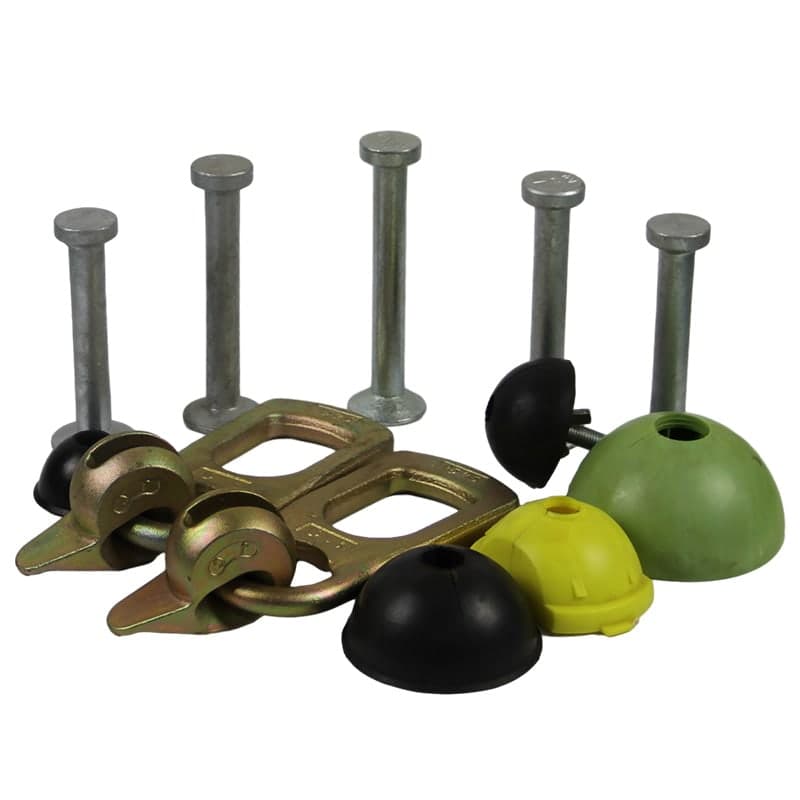
Technical summary
Select lifting anchors from the lifting method backward: element weight, concrete release strength, edge distance, anchor group layout, clutch compatibility and inspection must line up.
Field notes
Precast Lifting Anchor Technical Guide operating variables
Select lifting anchors from the lifting method backward: element weight, concrete release strength, edge distance, anchor group layout, clutch compatibility and inspection must line up.
Parameters to verify
- Calculate weight and lifting angle.
- Confirm concrete strength at demolding.
- Use compatible anchors and clutches.
- Review anchor layout against reinforcement and openings.
Records and inputs
- Element drawings
- Weight
- Lifting method
- Concrete strength
Failure modes to watch
- Anchor layout weak.
- Operator uses wrong clutch.
- Early lifting strength low.
Visual workflow
Lifting system interface, not a loose insert
Lifting anchors should be read as a system connecting element weight, concrete release strength, anchor layout, clutch compatibility and handling method. Supporting visual: threaded insert as the related product or interface reference for this workflow.
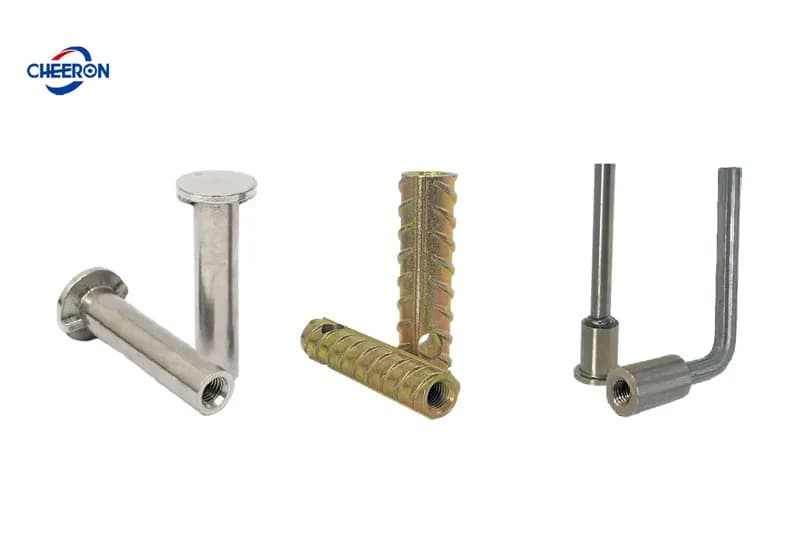
Weight, center of gravity and orientation set the lifting demand.
Release strength controls early lift safety before design strength.
Edge distance, openings and reinforcement conflicts must be checked on the drawing.
Anchor, recess former and clutch must belong to a compatible system.
Sling angle, crane route and dynamic factors change the real load.
Storage, transport and site unloading can repeat the risk.
Production context
Lifting anchors are safety-critical. Systems should be reviewed by load design, compatibility, certification, installation practice and traceability.
Where this applies
- Panel lifting design
- Factory handling
- Transport planning
- Site installation
Engineering variables
- Calculate weight and lifting angle.
- Confirm concrete strength at demolding.
- Use compatible anchors and clutches.
- Review anchor layout against reinforcement and openings.
System interfaces
- Compare anchor systems, not single part prices.
- Ask for load tables and certificates.
- Check whether the factory already owns compatible clutches.
Production evidence checklist
| Production variable | Why it matters in production | Records or evidence to inspect | Interface risk |
|---|---|---|---|
| Element weight and center of gravity | Sets anchor load class, number of anchors, sling angle, lifting sequence and crane requirement. | Element drawing, calculated weight, center-of-gravity mark, lifting points and installation orientation. | Nominal anchor load is misleading if eccentric lifting and sling angle are ignored. |
| Concrete strength at lifting | Controls safe demolding time, anchor capacity, edge cracking risk and release inspection. | Target release strength, test method, curing record, lifting time and element thickness. | Many lifting failures happen before design strength, when the element first leaves the mold. |
| Anchor and clutch system | Ensures anchor head, recess former, compatible clutch, markings and inspection records are matched. | Anchor type, load table, clutch model, certificate, batch marking and factory tool inventory. | Mixing anchor and clutch systems creates safety risk even when each part looks correct. |
| Edge distance and reinforcement conflict | Checks concrete breakout risk, thin-panel limitations, openings and local reinforcement details. | Anchor layout drawing, cover, edge distance, nearby openings, reinforcement plan and insert schedule. | A safe load table can fail on a specific panel if edge distance or reinforcement conflict is missed. |
| Handling after demolding | Links lifting anchors to yard racks, transport supports, site unloading and repeated handling. | Storage method, transport plan, site crane method, number of lifts and damage history. | The first lift may be safe while storage or site handling still chips, cracks or overloads the element. |
Technical references
Original sources and related manuals
Open the governing standard record, original process source or related product manual for the underlying scope and terminology.
Use the product manual to check load class, concrete strength, edge distance and compatible clutch.
Open process referencePRECAST.WORLDLifting clutch interfaceUse this reference to keep anchor and clutch selection as a compatible system.
Open process referencePRECAST.WORLDOverhead crane for precastUse this reference when sling angle, hook height, element weight and yard movement affect lifting design.
Open process referenceH-LiftGrade 80 precast lifting clutchManufacturer product reference for clutch geometry, lifting interface and handling-system compatibility.
Open process referenceWeak assumptions seen in projects
- Using nominal load without angle factors.
- Mixing incompatible clutches.
- Ignoring edge distance and concrete strength.
Inspection and acceptance points
- Anchor layout weak.
- Operator uses wrong clutch.
- Early lifting strength low.
- No traceability.
FAQ
What is the first decision to make for precast lifting anchor technical guide?
Start with product type, target capacity and local requirements. These inputs shape equipment, mold, material and quality-control choices.
What information should be prepared before speaking with suppliers?
Prepare drawings, target output, local standards, installation limits, available utilities, budget range and the questions you need answered.
Need to frame the technical context?
Send product type, capacity target, standards, drawings, photos or quality issues. PRECAST.WORLD will turn them into clearer technical notes for the next discussion.