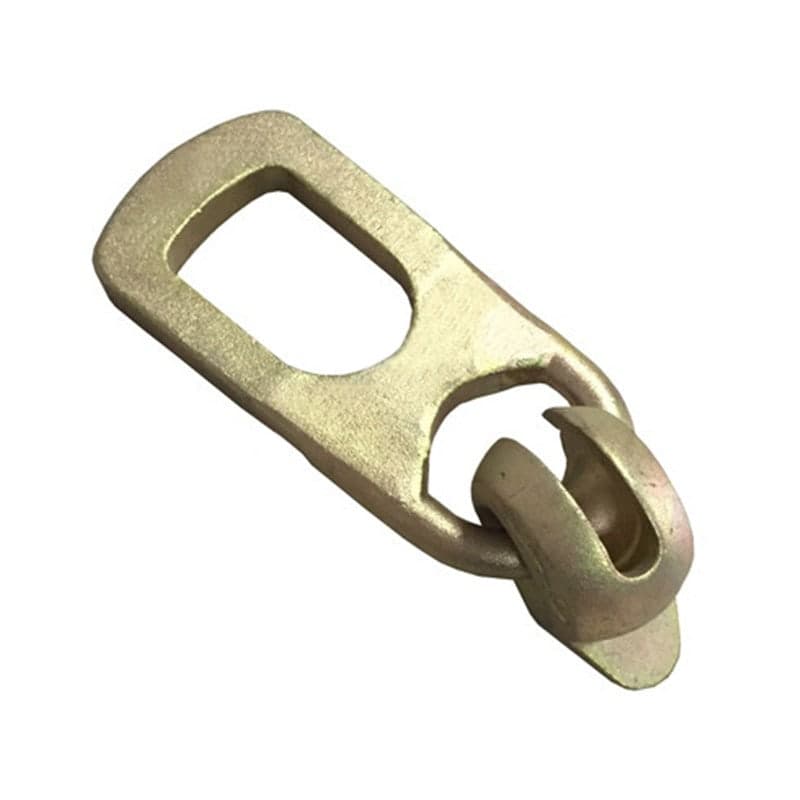
Accessories
Precast Lifting Clutch
A reusable lifting head that mechanically engages a compatible cast-in anchor to transfer element weight from the crane hook into the designed lifting system.
Precast Lifting Clutch should be selected around load class, anchor compatibility, inspection interval. Confirm use conditions, records and supplier data before comparing options.
A lifting clutch is part of a matched lifting system. It must fit the anchor type, load class and lifting direction used in the element.
- Panel demolding
- Yard handling
- Pipe and manhole lifting
- Site installation
- Load class
- Anchor compatibility
- Inspection interval
- Steel grade
Product photographs
Product form, interfaces and production context
The views below show the product itself together with relevant handling, installation or production interfaces.
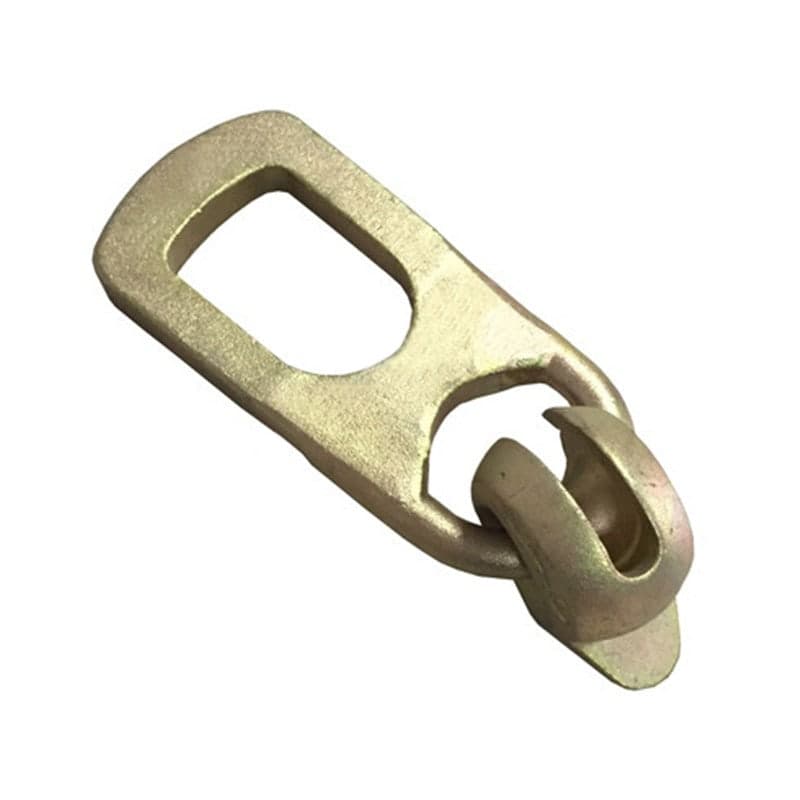
Primary product view
A reusable lifting head that mechanically engages a compatible cast-in anchor to transfer element weight from the crane hook into the designed lifting system.
Overall product view showing the form and principal interfaces.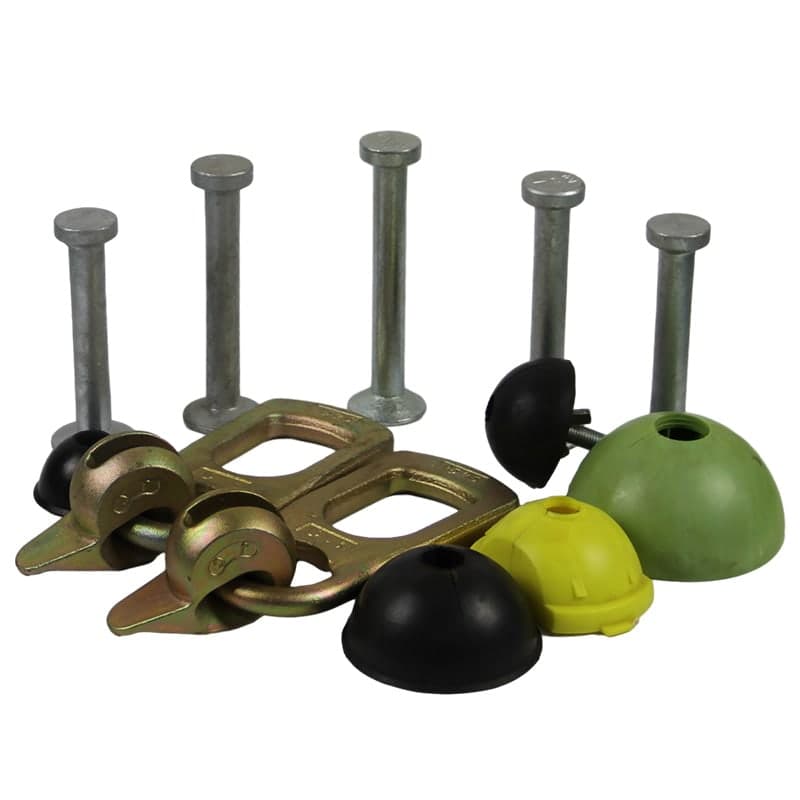
Compatible lifting anchor
Anchor and clutch must be treated as one system with matching head geometry and load table.
Use as the system-compatibility reference. For precast lifting clutch, check this interface with adjacent equipment, handling sequence and inspection records.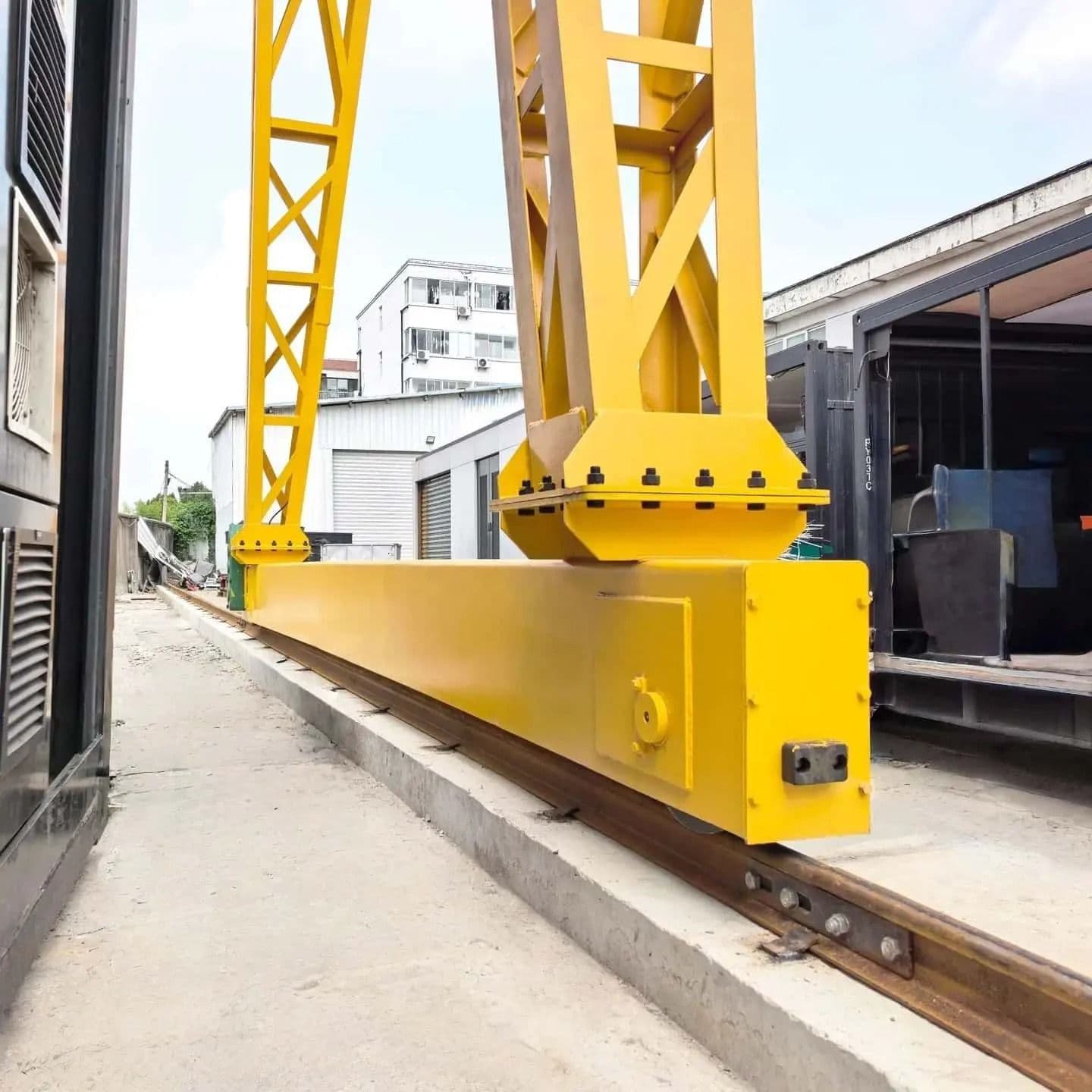
Crane handling interface
Clutch selection connects to sling angle, hook height, lifting beam and site unloading method.
Use as the handling interface reference. For precast lifting clutch, check this interface with adjacent equipment, handling sequence and inspection records.Process references
Use the product manual to check load class, concrete strength, edge distance and compatible clutch.
Open process referencePRECAST.WORLDLifting clutch interfaceUse this reference to keep anchor and clutch selection as a compatible system.
Open process referencePRECAST.WORLDOverhead crane for precastUse this reference when sling angle, hook height, element weight and yard movement affect lifting design.
Open process referenceH-LiftGrade 80 precast lifting clutchManufacturer product reference for clutch geometry, lifting interface and handling-system compatibility.
Open process referenceTechnical references
Standards context for Precast Lifting Clutch
These references identify where a technical review often starts. They are not a declaration of compliance, product approval or a replacement for the adopted project code.
Common rules for precast concrete products
Common requirements for precast concrete product standards, including basic performance and conformity-assessment context.
Use it as a common precast reference only. A product-specific standard and the project's adopted national rules take precedence.View standard recordBuilding Code Requirements for Structural Concrete
Structural concrete requirements for design and detailing in jurisdictions that adopt ACI 318.
A design-code reference, not a product approval or a substitute for the governing project code and engineer's drawings.View standard recordField notes
Precast Lifting Clutch operating variables
Precast Lifting Clutch should be selected around load class, anchor compatibility, inspection interval. Confirm use conditions, records and supplier data before comparing options.
Parameters to verify
- Load class
- Anchor compatibility
- Inspection interval
- Steel grade
Records and inputs
- Anchor system used
- Element weights
- Load classes
- Inspection rules
Failure modes to watch
- Mixing clutch and anchor systems.
- Using worn clutches without inspection.
- Assuming every clutch works at every angle.
Main types
- Ring clutches
- Spherical-head clutches
- Threaded lifting loops
- Manhole lifting devices
Key specifications
- Load class
- Anchor compatibility
- Inspection interval
- Steel grade
- Rotation allowance
- Marking and certificate
Technical interface matrix
Read the product through application, geometry, production interface and acceptance evidence before comparing catalog data, drawings or technical offers.
| Area | Variables to check | Evidence normally needed | Interface risk |
|---|---|---|---|
| Application fit | Panel demolding; Yard handling; Pipe and manhole lifting | Anchor system used; Element weights | Mixing clutch and anchor systems. |
| Type and geometry | Ring clutches; Spherical-head clutches; Threaded lifting loops; Manhole lifting devices | Anchor system used; Element weights; Load classes | Using worn clutches without inspection. |
| Production interface | Match clutch and anchor system exactly.; Check load class and sling angle.; Inspect wear before use. | Load classes; Inspection rules; Local safety standard | Assuming every clutch works at every angle. |
| Inspection and acceptance | Inspection interval; Steel grade; Rotation allowance; Marking and certificate | Inspection rules; Local safety standard; Mixing clutch and anchor systems.; Using worn clutches without inspection. | Mixing clutch and anchor systems. |
Technical selection variables
- Match clutch and anchor system exactly.
- Check load class and sling angle.
- Inspect wear before use.
- Keep clutches traceable and separate by type.
Project interfaces and failure modes
- Mixing clutch and anchor systems.
- Using worn clutches without inspection.
- Assuming every clutch works at every angle.
Drawings and field data normally required
- Anchor system used
- Element weights
- Load classes
- Inspection rules
- Local safety standard
Inspection and interface points
- Mixing clutch and anchor systems.
- Using worn clutches without inspection.
- Assuming every clutch works at every angle.
FAQ
What should be checked before comparing precast lifting clutch?
Confirm the element type, production capacity, local standard, installation condition and maintenance capability first. Price comparison is weak when these basics are unclear.
Can PRECAST.WORLD organize technical evidence for this topic?
Yes. The goal is to organize production variables, drawings, photos, records and interface questions so the next technical discussion starts from evidence instead of assumptions.
Ask the technical desk about precast lifting clutch
Send product type, capacity target, standards, drawings, photos or quality issues. PRECAST.WORLD will turn them into clearer technical notes for the next discussion.