Troubleshooting
How to Reduce Damage During Lifting and Transport
Handling, lifting, storage and transport checks that reduce chips, cracks and rejected elements.
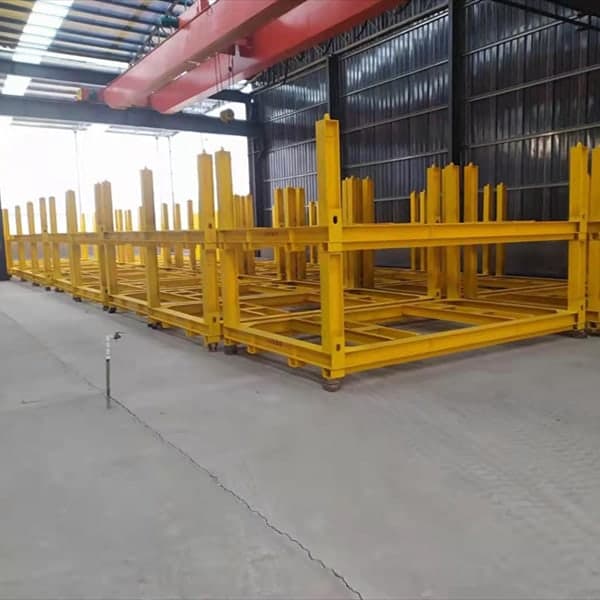
Technical summary
Damage during handling is usually caused by weak lifting design, poor support points, early movement, site constraints or inadequate protection.
Field notes
How to Reduce Damage During Lifting and Transport operating variables
Damage during handling is usually caused by weak lifting design, poor support points, early movement, site constraints or inadequate protection.
Parameters to verify
- Confirm release strength before lifting.
- Use lifting points designed for the element.
- Support elements at correct points.
- Protect corners and edges during transport.
Records and inputs
- Element drawings
- Weight
- Lifting method
- Storage plan
Failure modes to watch
- Release strength low.
- Support points wrong.
- Edge protection missing.
Visual workflow
Damage control as handling chain
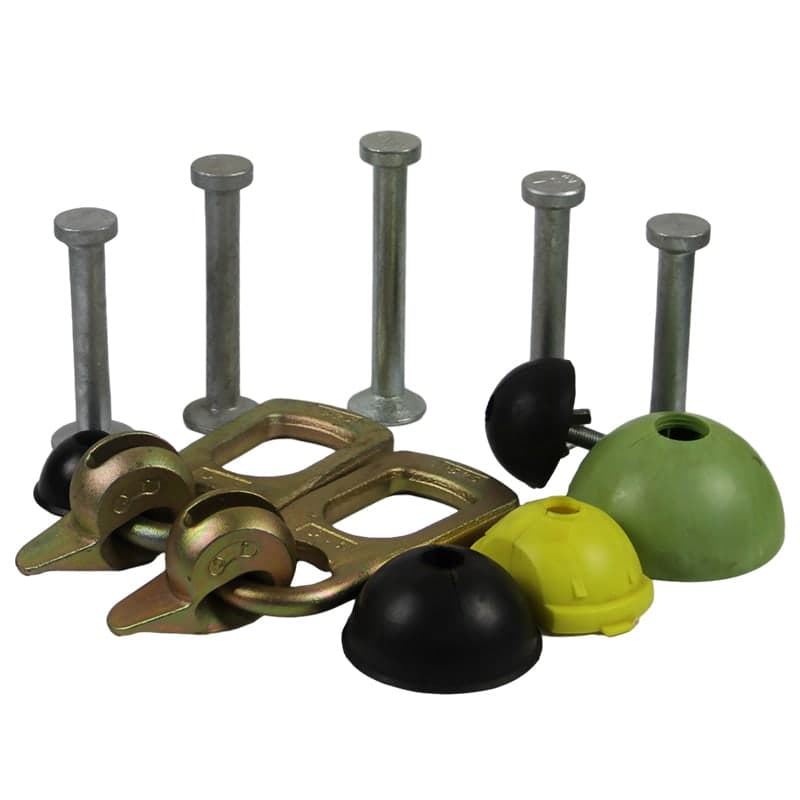
Damage reduction should follow the whole chain: first lift, yard support, rack, truck, route, site unloading and repair feedback. Supporting visual: precast lifting anchor as the related product or interface reference for this workflow.
Release strength and sling geometry start the risk.
Correct pads and rack angle prevent cracks.
Edges and faces need contact control.
Truck dunnage and sequence must match element geometry.
Site access and crane method complete the chain.
Damage photos should change the handling plan.
Production context
Damage during handling is usually caused by weak lifting design, poor support points, early movement, site constraints or inadequate protection.
Where this applies
- lifting planning and comparison
- transport planning and comparison
- quality planning and comparison
Engineering variables
- Confirm release strength before lifting.
- Use lifting points designed for the element.
- Support elements at correct points.
- Protect corners and edges during transport.
System interfaces
- Compare damage pattern with handling sequence.
- Ask whether lifting beams or frames are needed.
- Review storage rack and truck loading method.
Production evidence checklist
| Production variable | Why it matters in production | Records or evidence to inspect | Interface risk |
|---|---|---|---|
| Lifting method | Sets anchor layout, sling angle, lifting beam, crane route and first-lift timing. | Lifting drawing, element weight, center of gravity, sling angle, release strength and crane plan. | Damage can come from lifting geometry even when anchors are correctly rated. |
| Support points | Controls cracking, twist, edge chips and long-term storage deformation. | Support layout, rack drawing, element length, weak zones and storage duration. | Wrong support points can damage elements after they have passed factory inspection. |
| Rack and truck interface | Connects yard storage, loading sequence, dunnage, tie-downs and route movement. | Rack type, truck plan, dunnage detail, tie-down method, road limits and route photos. | Transport damage is often planned into the system by poor support and loading sequence. |
| Edge and surface protection | Protects corners, architectural faces, gasket grooves, pipe ends and finished surfaces. | Protection detail, contact pads, repair history, finish requirement and weather exposure. | Small contact damage can become rejection on facade, pipe joint or architectural products. |
| Site unloading | Extends factory responsibility into delivery sequencing, crane access and installation handling. | Site access photos, unloading method, installer plan, lift count and handover record. | A safe factory lift does not guarantee safe site handling. |
Technical references
Original sources and related manuals
Open the governing standard record, original process source or related product manual for the underlying scope and terminology.
Use this manual to check rack, support, loading and dispatch method.
Open process referencePRECAST.WORLDPrecast lifting anchor manualUse this reference when damage starts at first lift or sling geometry.
Open process referencePRECAST.WORLDOverhead crane manualUse this reference when crane coverage and hook height affect handling.
Open process referenceH-LiftGrade 80 precast lifting clutchManufacturer product reference for clutch geometry, lifting interface and handling-system compatibility.
Open process referenceWeak assumptions seen in projects
- Moving elements too early.
- Using improvised lifting points.
- Stacking with uneven support.
Inspection and acceptance points
- Release strength low.
- Support points wrong.
- Edge protection missing.
- Transport restraint weak.
FAQ
What is the first decision to make for how to reduce damage during lifting and transport?
Start with product type, target capacity and local requirements. These inputs shape equipment, mold, material and quality-control choices.
What information should be prepared before speaking with suppliers?
Prepare drawings, target output, local standards, installation limits, available utilities, budget range and the questions you need answered.
Need to frame the technical context?
Send product type, capacity target, standards, drawings, photos or quality issues. PRECAST.WORLD will turn them into clearer technical notes for the next discussion.