Troubleshooting
Why Precast Panels Crack After Demolding
Common causes of cracks after demolding and the production evidence to inspect first.
Technical summary
Cracks after demolding usually come from low early strength, wrong demolding timing, lifting point layout, curing gradients, mold restraint, reinforcement issues or poor transport support.
Field notes
Why Precast Panels Crack After Demolding operating variables
Cracks after demolding usually come from low early strength, wrong demolding timing, lifting point layout, curing gradients, mold restraint, reinforcement issues or poor transport support.
Parameters to verify
- Check release strength before blaming the mix.
- Map crack location against lifting points and supports.
- Review curing temperature and restraint.
- Inspect storage and transport support points.
Records and inputs
- Crack photos
- Panel drawings
- Release strength
- Lifting method
Failure modes to watch
- Release strength low.
- Lifting anchors poorly placed.
- Thermal gradient high.
Visual workflow
Panel cracking as timing and handling trace
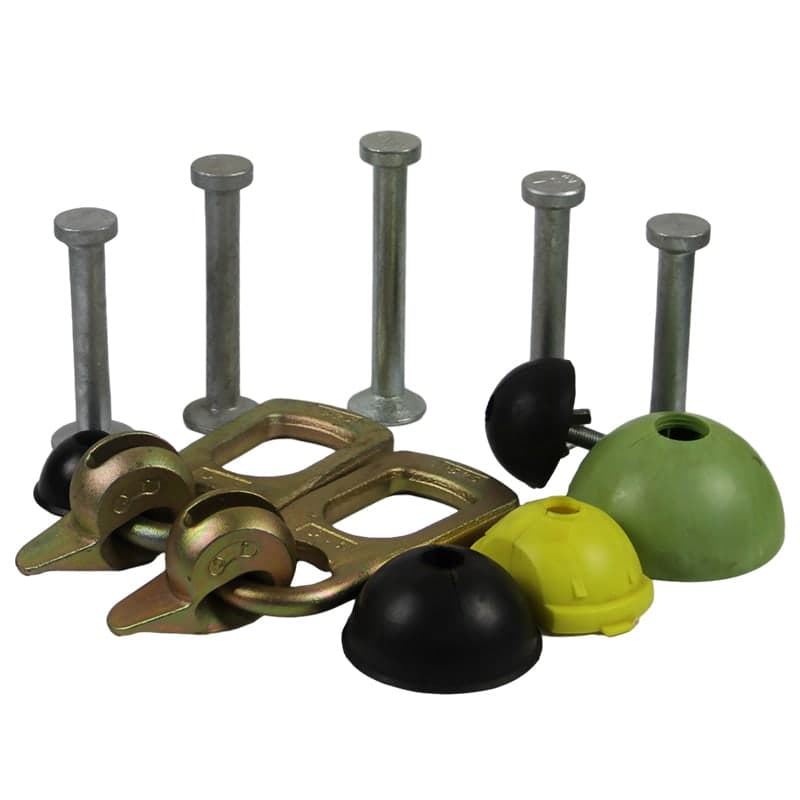
Cracks after demolding should be traced through release strength, lifting layout, mold restraint, curing gradient and support points. Supporting visual: precast lifting anchor as the related product or interface reference for this workflow.
Confirm release strength before first lift.
Location tells whether lifting, restraint or shrinkage is likely.
Sling angle and center of gravity change real loads.
Side forms and sticking can restrain the panel.
Support points matter immediately after demolding.
Use photos and timing before changing the mix.
Production context
Cracking after demolding can come from low release strength, poor lifting layout, restraint, thermal difference, reinforcement issues or handling shock.
Where this applies
- Wall panel troubleshooting
- Demolding quality review
- Lifting plan audit
- Factory quality meetings
Engineering variables
- Check release strength before blaming the mix.
- Map crack location against lifting points and supports.
- Review curing temperature and restraint.
- Inspect storage and transport support points.
System interfaces
- Separate cracks from lifting, shrinkage, restraint and impact.
- Use photos, timing and strength records together.
- Ask whether different panel shapes use the same lifting plan.
Production evidence checklist
| Production variable | Why it matters in production | Records or evidence to inspect | Interface risk |
|---|---|---|---|
| Release strength | Controls whether the panel can resist lifting, tilt, restraint release and first storage load. | Strength test at demolding, curing record, panel thickness and demolding time. | Cracks at first lift are often strength-timing problems, not only mix design problems. |
| Lifting layout | Connects anchor position, sling angle, center of gravity, openings and panel shape. | Lifting drawing, anchor load table, center-of-gravity mark, opening layout and crane method. | The same anchor pattern can be safe on one panel and unsafe on another. |
| Mold restraint | Checks sticking, side-form release, table tilt, corner restraint and demolding sequence. | Release-agent record, mold face photos, side-form opening method and crack location map. | Panels crack when they are pulled against restraint during release. |
| Curing gradient | Tracks temperature and moisture differences across panel thickness or exposed surface. | Curing log, temperature, humidity, surface protection, demolding age and crack timing. | Uneven curing can create internal stress before the panel is lifted. |
| Storage and transport support | Links support points, rack angle, truck dunnage, site unloading and repeated handling. | Rack layout, support spacing, transport plan, damage photos and repair log. | Cracks blamed on demolding can actually occur during storage or truck loading. |
Technical references
Original sources and related manuals
Open the governing standard record, original process source or related product manual for the underlying scope and terminology.
Use this manual to check anchor layout, release strength and lifting angle.
Open process referencePRECAST.WORLDStacking rack manualUse this reference when cracks connect to storage support and transport.
Open process referencePRECAST.WORLDRepair mortar manualUse this reference after crack cause is classified and accepted repair is needed.
Open process referenceElematicChoosing a wall panel production lineManufacturer process note for wall-line scope, product repetition, station sequence and production constraints.
Open process referenceElematicWall production line familiesSpecific manufacturer overview of circulation lines, battery molds, tilting tables, staircase molds and beam/column mold interfaces.
Open process referenceWeak assumptions seen in projects
- Blaming concrete mix before checking lifting.
- Ignoring release strength records.
- Using the same lifting plan for different panel shapes.
Inspection and acceptance points
- Release strength low.
- Lifting anchors poorly placed.
- Thermal gradient high.
- Support points wrong.
FAQ
What is the first decision to make for why precast panels crack after demolding?
Start with product type, target capacity and local requirements. These inputs shape equipment, mold, material and quality-control choices.
What information should be prepared before speaking with suppliers?
Prepare drawings, target output, local standards, installation limits, available utilities, budget range and the questions you need answered.
Need to frame the technical context?
Send product type, capacity target, standards, drawings, photos or quality issues. PRECAST.WORLD will turn them into clearer technical notes for the next discussion.