Equipment
Stacking Rack and Yard Logistics
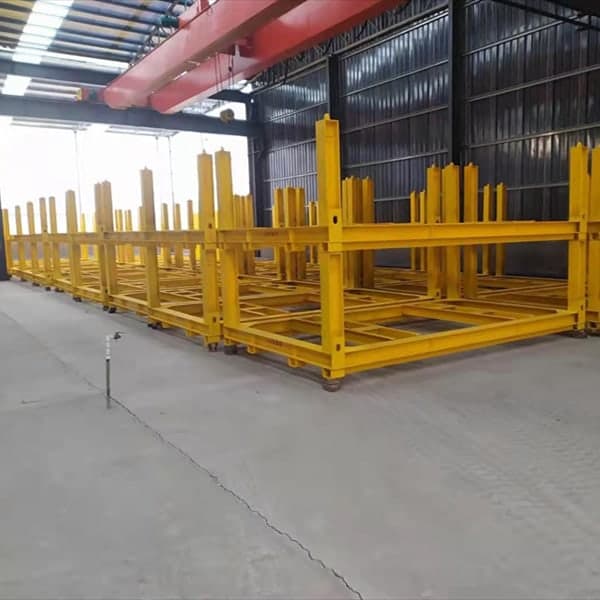
A yard handling system of racks, A-frames, supports and routes that protects finished elements at their designed bearing points through storage, loading and dispatch.
Stacking Rack and Yard Logistics should be selected around element size, load capacity, contact pad position. Confirm use conditions, records and supplier data before comparing options.
Stacking racks and yard logistics equipment keep elements stable, separated and traceable while reducing damage during storage, internal transport and loading.
- Wall panel yards
- Tunnel segment plants
- Railway sleeper plants
- Facade panel storage
- Element size
- Load capacity
- Contact pad position
- Forklift or crane interface
Product photographs
Product form, interfaces and production context
The views below show the product itself together with relevant handling, installation or production interfaces.
Primary product view
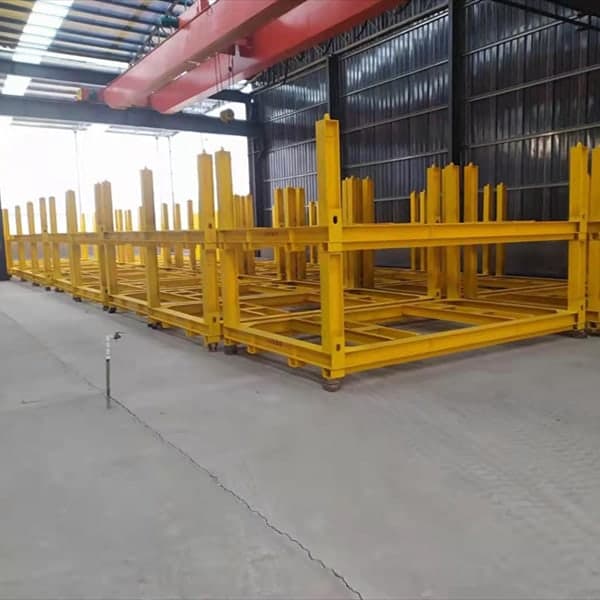
A yard handling system of racks, A-frames, supports and routes that protects finished elements at their designed bearing points through storage, loading and dispatch.
Overall product view showing the form and principal interfaces.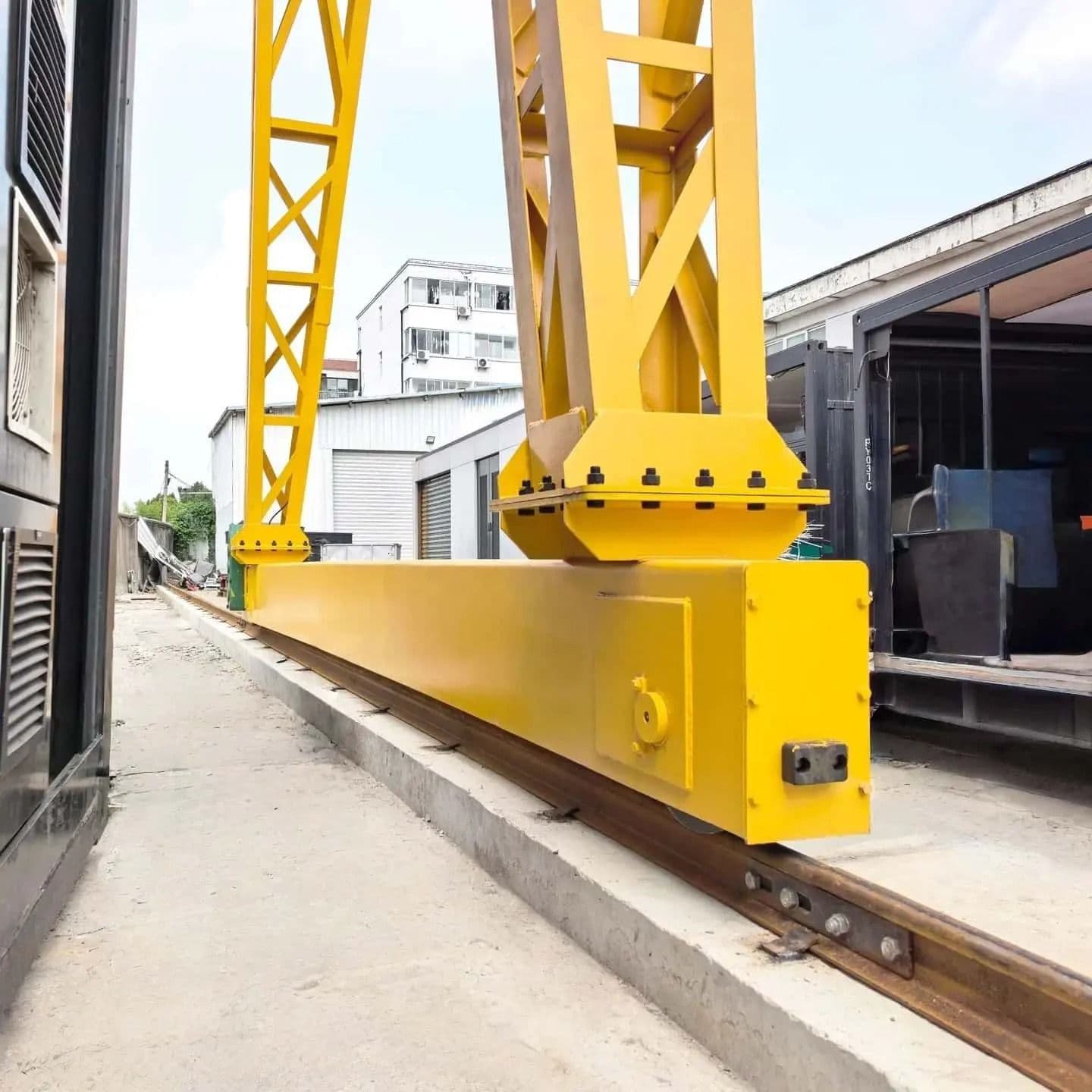
Crane coverage interface
Yard racks only work when crane reach, hook height and truck route support the same loading sequence.
Use as the lifting and dispatch interface reference.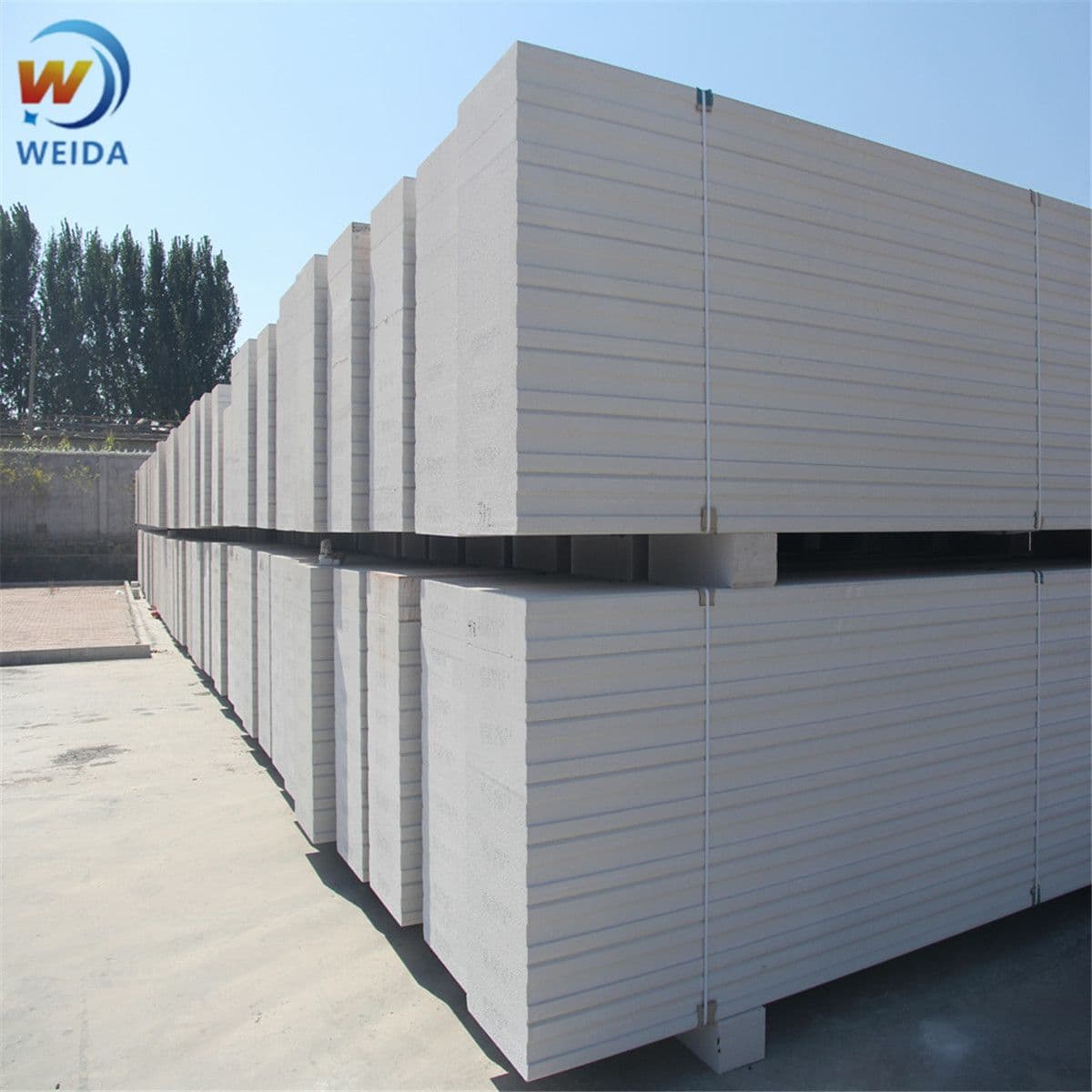
Finished panel storage risk
Finished elements need correct support points to avoid cracks, chips, twist and delivery rejection.
Use as the finished-product handling reference.Process references
Use this manual to connect yard racks with production flow, crane route and dispatch.
Open process referencePRECAST.WORLDDamage during lifting and transport articleUse this article to connect storage supports, lifting method and transport damage.
Open process referenceH-LiftGrade 80 precast lifting clutchManufacturer product reference for clutch geometry, lifting interface and handling-system compatibility.
Open process referenceTechnical references
Standards context for Stacking Rack and Yard Logistics
These references identify where a technical review often starts. They are not a declaration of compliance, product approval or a replacement for the adopted project code.
Common rules for precast concrete products
Common requirements for precast concrete product standards, including basic performance and conformity-assessment context.
Use it as a common precast reference only. A product-specific standard and the project's adopted national rules take precedence.View standard recordBuilding Code Requirements for Structural Concrete
Structural concrete requirements for design and detailing in jurisdictions that adopt ACI 318.
A design-code reference, not a product approval or a substitute for the governing project code and engineer's drawings.View standard recordField notes
Stacking Rack and Yard Logistics operating variables
Stacking Rack and Yard Logistics should be selected around element size, load capacity, contact pad position. Confirm use conditions, records and supplier data before comparing options.
Parameters to verify
- Element size
- Load capacity
- Contact pad position
- Forklift or crane interface
Records and inputs
- Element drawings
- Maximum weight
- Storage days
- Handling equipment
Failure modes to watch
- Stacking elements on unsuitable support points.
- Selecting racks without yard traffic planning.
- Ignoring outdoor corrosion and drainage.
Main types
- Panel A-frames
- Stacking racks
- Transport racks
- Segment storage frames
- Sleeper stacking frames
Key specifications
- Element size
- Load capacity
- Contact pad position
- Forklift or crane interface
- Stacking height
- Outdoor corrosion protection
Technical interface matrix
Read the product through application, geometry, production interface and acceptance evidence before comparing catalog data, drawings or technical offers.
| Area | Variables to check | Evidence normally needed | Interface risk |
|---|---|---|---|
| Application fit | Wall panel yards; Tunnel segment plants; Railway sleeper plants | Element drawings; Maximum weight | Stacking elements on unsuitable support points. |
| Type and geometry | Panel A-frames; Stacking racks; Transport racks; Segment storage frames | Element drawings; Maximum weight; Storage days | Selecting racks without yard traffic planning. |
| Production interface | Design racks around element geometry and lifting method.; Check support points against crack and chip risk.; Plan yard traffic before rack quantity. | Storage days; Handling equipment; Yard layout | Ignoring outdoor corrosion and drainage. |
| Inspection and acceptance | Contact pad position; Forklift or crane interface; Stacking height; Outdoor corrosion protection | Handling equipment; Yard layout; Delivery sequence; Stacking elements on unsuitable support points. | Stacking elements on unsuitable support points. |
Technical selection variables
- Design racks around element geometry and lifting method.
- Check support points against crack and chip risk.
- Plan yard traffic before rack quantity.
- Add labels or slots for traceability.
Project interfaces and failure modes
- Stacking elements on unsuitable support points.
- Selecting racks without yard traffic planning.
- Ignoring outdoor corrosion and drainage.
Drawings and field data normally required
- Element drawings
- Maximum weight
- Storage days
- Handling equipment
- Yard layout
- Delivery sequence
Inspection and interface points
- Stacking elements on unsuitable support points.
- Selecting racks without yard traffic planning.
- Ignoring outdoor corrosion and drainage.
FAQ
What should be checked before comparing stacking rack and yard logistics?
Confirm the element type, production capacity, local standard, installation condition and maintenance capability first. Price comparison is weak when these basics are unclear.
Can PRECAST.WORLD organize technical evidence for this topic?
Yes. The goal is to organize production variables, drawings, photos, records and interface questions so the next technical discussion starts from evidence instead of assumptions.
Ask the technical desk about stacking rack and yard logistics
Send product type, capacity target, standards, drawings, photos or quality issues. PRECAST.WORLD will turn them into clearer technical notes for the next discussion.