Factory Setup
Precast Factory Setup Cost Scope and Evidence
Cost-scope buckets to separate before comparing factory setup proposals.
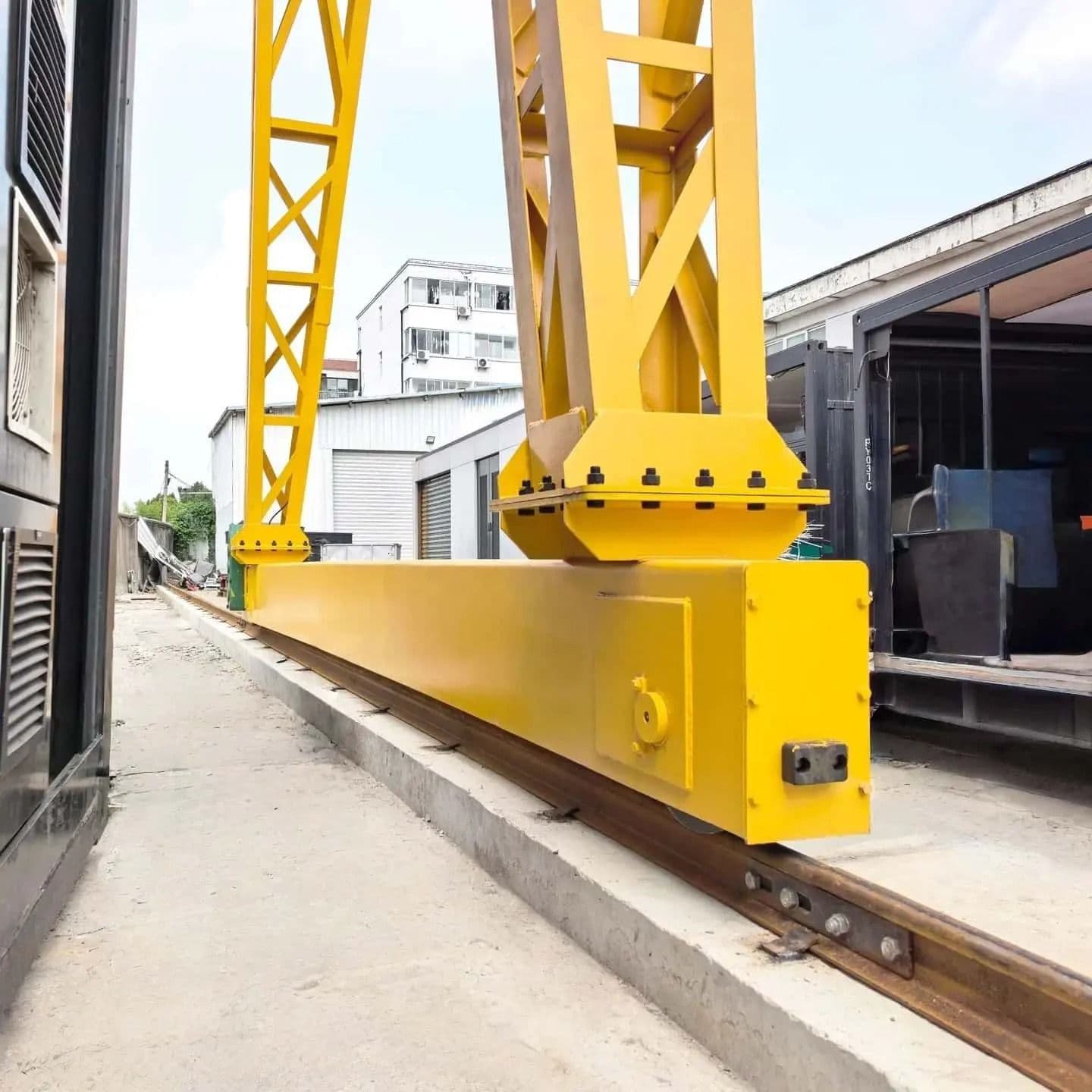
Technical summary
Factory setup cost is a scope question: land and building, cranes, batching, molds, production lines, curing, installation, training, spares, certification and trial production all belong in the model.
Field notes
Precast Factory Setup Cost Scope and Evidence operating variables
Factory setup cost is a scope question: land and building, cranes, batching, molds, production lines, curing, installation, training, spares, certification and trial production all belong in the model.
Parameters to verify
- Separate local civil work from imported equipment.
- Add molds, lifting gear, lab and spares.
- Budget installation, training and trial production losses.
- Compare scope exclusions before comparing totals.
Records and inputs
- Product plan
- Layout concept
- Local construction costs
- Utility status
Failure modes to watch
- Large exclusions in proposals.
- No startup reserve.
- No spare part budget.
Visual workflow
Factory cost as operating scope
Factory setup cost should be read as a stack of product scope, building, utilities, equipment, installation, training, spares and ramp-up evidence.
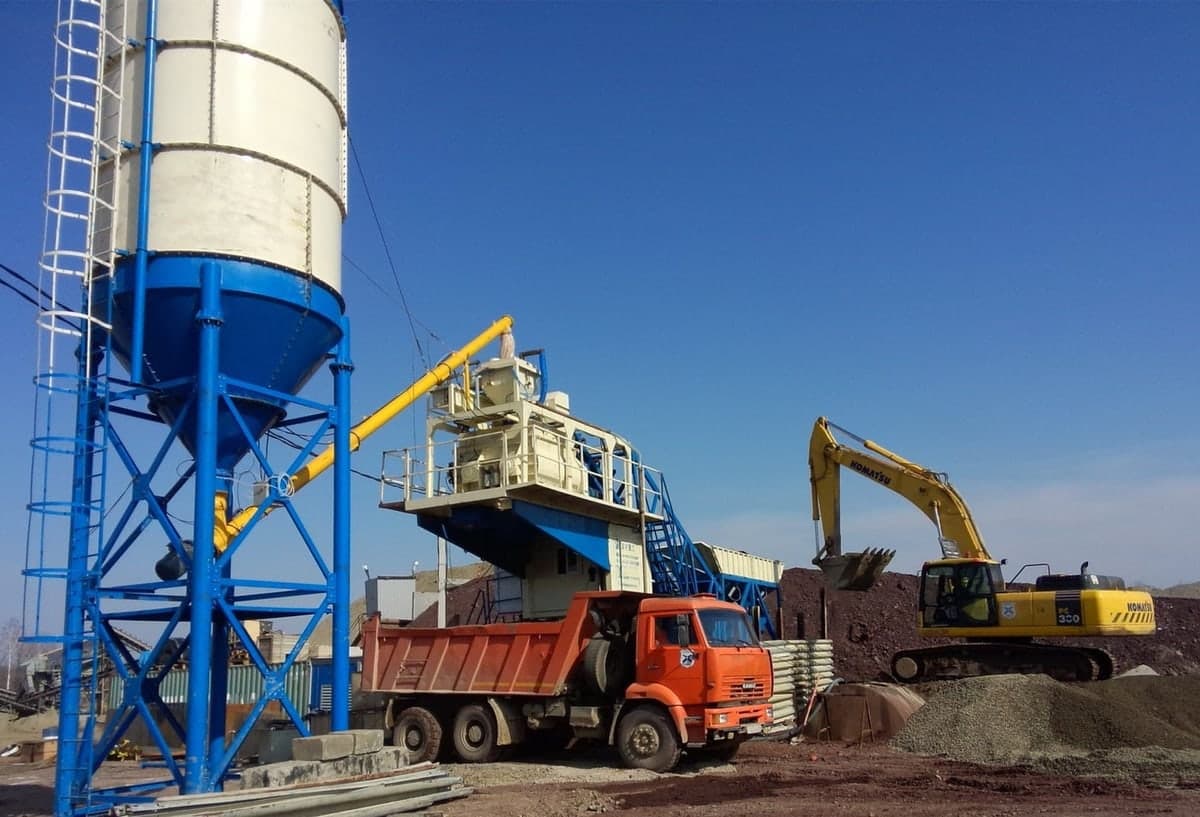
Product family and output target decide the whole cost model.
Land, hall, foundations, utilities and crane rails are not optional background.
Batching, molds, lines, cranes, lab and yard tools must be priced as a system.
Installation, commissioning and operator training create real first-year cost.
Trial production and defects consume time, labor and material.
Spare parts and local service keep the plant producing after handover.
Production context
Setup cost includes much more than headline machinery: land work, utilities, cranes, molds, commissioning, spares, training and working capital all matter.
Where this applies
- Investment planning
- Supplier proposal review
- Board-level budget check
- Phased factory planning
Engineering variables
- Separate local civil work from imported equipment.
- Add molds, lifting gear, lab and spares.
- Budget installation, training and trial production losses.
- Compare scope exclusions before comparing totals.
System interfaces
- Use one cost table with included, excluded and local-project-scope items.
- Check whether capacity assumptions are realistic.
- Review cash flow during ramp-up.
Production evidence checklist
| Production variable | Why it matters in production | Records or evidence to inspect | Interface risk |
|---|---|---|---|
| Scope boundary | Separates local civil work, imported equipment, installation, spares, training and trial production. | Included/excluded list, local-project-scope list, site drawings, utility scope and supplier responsibility matrix. | Cost comparisons are misleading when each offer hides different civil, installation or commissioning scope. |
| Product mix and capacity | Controls mold count, crane duty, batching size, curing area, yard size and first-year cash need. | Product schedule, output target, element weight, repetition, demolding age and storage days. | A low-cost plant can be too small for the product mix or too rigid for early demand uncertainty. |
| Utilities and building readiness | Defines power, water, compressed air, steam, drainage, hall height, foundations and crane rails. | Utility drawings, load list, boiler plan, wastewater route, building section and floor loading data. | Missing utilities turn equipment installation into unplanned construction work. |
| Training and ramp-up | Sets first-month output, defect allowance, operator learning curve and spare-part consumption. | Commissioning plan, training scope, trial production allowance, defect records and target ramp schedule. | The purchase price can look acceptable while the real first-year cost is hidden in slow ramp-up. |
| Maintenance and spares | Protects mixers, cranes, hydraulics, controls, molds and wear parts after acceptance. | Critical spares list, maintenance tools, local service plan, warranty boundary and downtime response. | A plant can pass commissioning but fail commercial output when spare parts and local service are omitted. |
Technical references
Original sources and related manuals
Open the governing standard record, original process source or related product manual for the underlying scope and terminology.
Use this manual to connect cost with land, flow, cranes, utilities and yard route.
Open process referencePRECAST.WORLDConcrete batching plant manualUse this reference to keep batching, mixer, lab and concrete records inside the cost model.
Open process referencePRECAST.WORLDOverhead crane manualUse this reference when building height, rails, hook height and yard lifting drive cost.
Open process referenceVollert Precast SolutionsPallet transport and circulation technologyExternal process reference for pallet movement, turning, storage, station interfaces and factory-control scope.
Open process referenceVollert Precast SolutionsPallet circulation system for walls and floorsSpecific process reference for casing pallets, station-to-station circulation, shuttering, concrete spreading, turning, loading and lifting.
Open process referenceVollert Precast SolutionsProduction control systemSpecific process reference for production sequencing, pallet assignment, circulation visualization, subsystem control and fault records.
Open process referenceWeiler GmbHPrecast plant, batching and concrete transport systemsOfficial manufacturer overview for batching, mixer, concrete delivery, prestressed production and plant-handling interfaces.
Open process referenceApollo Afinitas TechnologiesConcrete pipe, manhole and box-culvert plant equipmentOfficial manufacturer overview for pipe and infrastructure product lines, molds, cage welding, curing and handling equipment.
Open process referenceWeak assumptions seen in projects
- Comparing prices without scope alignment.
- Missing foundations and power upgrades.
- Ignoring trial production losses.
Inspection and acceptance points
- Large exclusions in proposals.
- No startup reserve.
- No spare part budget.
- Unclear output assumptions.
FAQ
What is the first decision to make for precast factory setup cost scope and evidence?
Start with product type, target capacity and local requirements. These inputs shape equipment, mold, material and quality-control choices.
What information should be prepared before speaking with suppliers?
Prepare drawings, target output, local standards, installation limits, available utilities, budget range and the questions you need answered.
Need to frame the technical context?
Send product type, capacity target, standards, drawings, photos or quality issues. PRECAST.WORLD will turn them into clearer technical notes for the next discussion.