Factory Setup
Small Precast Plant vs Automated Precast Plant
How to compare a low-investment plant with a more automated precast production concept.
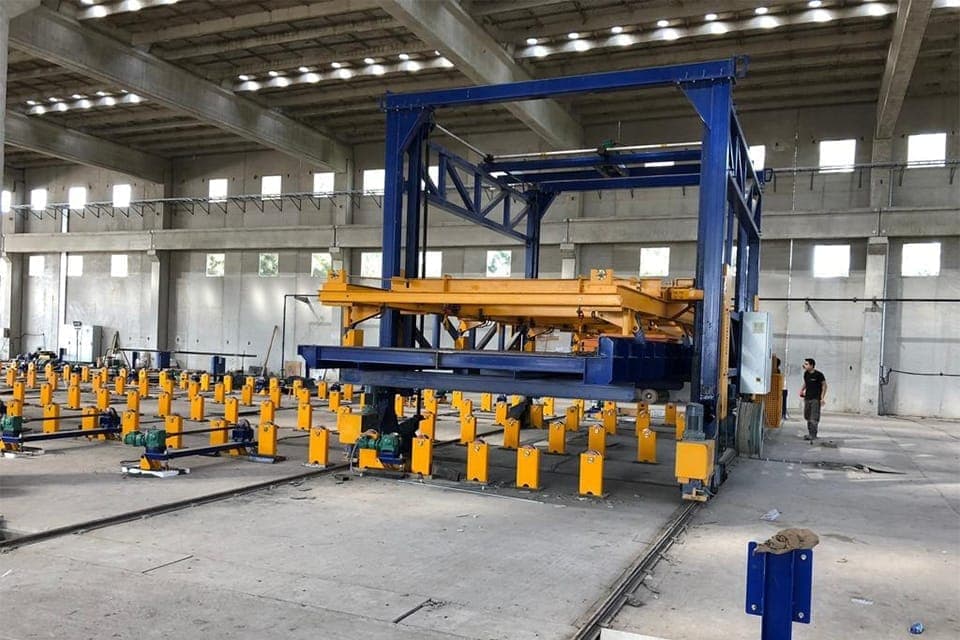
Technical summary
Automation can improve labor productivity and consistency, but it should match market volume, product repetition and maintenance capability.
Field notes
Small Precast Plant vs Automated Precast Plant operating variables
Automation can improve labor productivity and consistency, but it should match market volume, product repetition and maintenance capability.
Parameters to verify
- Measure repetition of product dimensions.
- Estimate skilled labor availability.
- Check whether demand supports higher fixed cost.
- Review maintenance response time.
Records and inputs
- Demand forecast
- Product repetition
- Labor cost
- Maintenance capability
Failure modes to watch
- Low utilization risk.
- Maintenance skill gap.
- Excessive customization.
Visual workflow
Plant scale choice as station balance
Small, semi-automated and automated plants should be compared by station balance, product repetition, labor model and ramp-up risk. Supporting visual: precast factory layout as the related product or interface reference for this workflow.
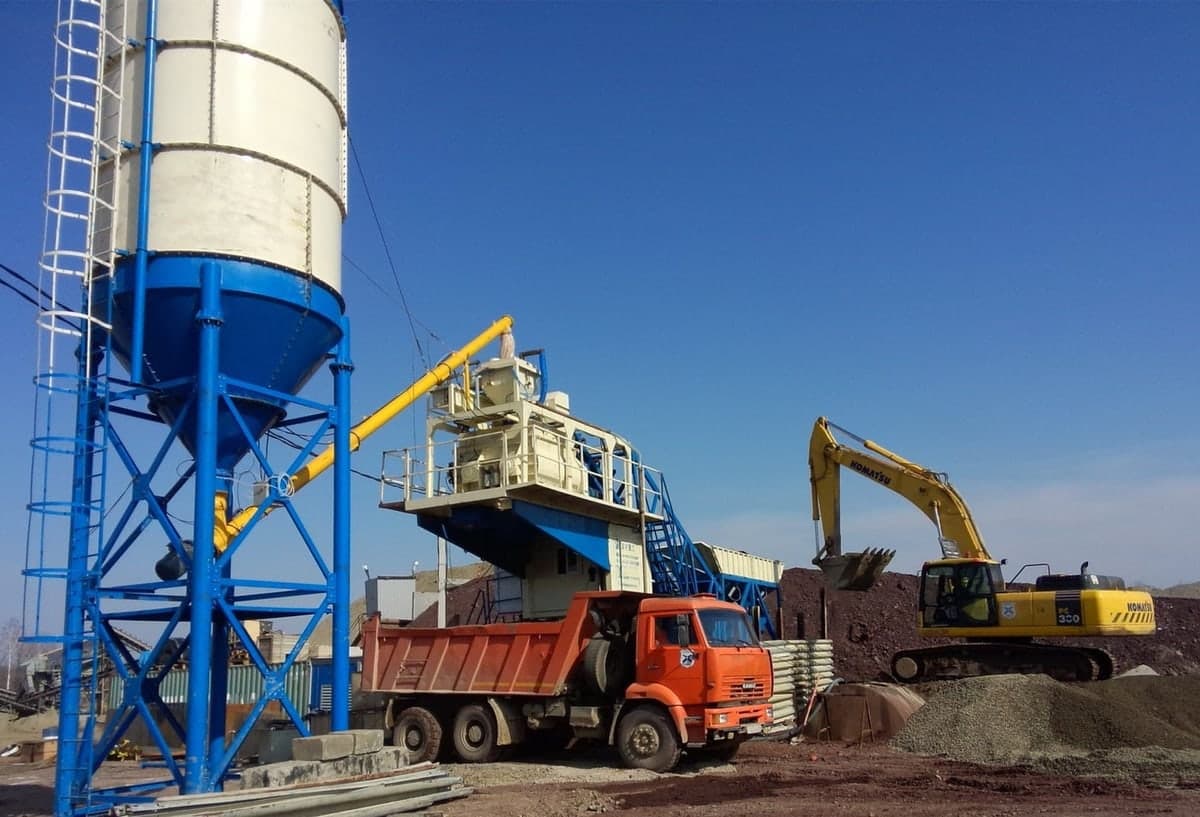
Stable product repetition supports automation; uncertain work needs flexibility.
Skill level and supervision decide how much automation can be used reliably.
Crane, batching, curing and yard routes must allow future expansion.
Drawing control and production records are required before advanced automation helps.
Trial production, training and defects are part of the real investment.
The first phase should not block later stations or utility capacity.
Production context
Automation can improve labor productivity and consistency, but it should match market volume, product repetition and maintenance capability.
Where this applies
- automation planning and comparison
- factory setup planning and comparison
- comparison planning and comparison
Engineering variables
- Measure repetition of product dimensions.
- Estimate skilled labor availability.
- Check whether demand supports higher fixed cost.
- Review maintenance response time.
System interfaces
- Compare cost per element across realistic utilization levels.
- Ask what stops production when one station fails.
- Consider phased automation.
Production evidence checklist
| Production variable | Why it matters in production | Records or evidence to inspect | Interface risk |
|---|---|---|---|
| Product repetition | Separates flexible low-volume production from automated station flow before investment is compared. | Project pipeline, panel schedule, repeated product percentage, drawing stability and yearly demand range. | Automation loses its advantage when every cycle needs custom setup, inserts and inspection changes. |
| Labor and supervision model | Defines whether fixed tables, battery molds, pallet circulation or semi-automation can be operated reliably. | Shift plan, wage level, operator skill, maintenance coverage, QC staffing and training allowance. | A high-automation plant still fails if maintenance, station discipline and data entry are weak. |
| Plant expansion path | Keeps first-phase equipment, crane coverage, batching, curing and yard layout compatible with future output. | Master layout, utility reserve, spare crane path, curing expansion, yard land and phased equipment plan. | A cheap first phase can block the second phase if flow direction, hall width or utilities are wrong. |
| Control and data discipline | Connects scheduling, production records, mold location, QC results and delivery planning. | ERP/MES need, barcode or pallet tracking plan, inspection forms, drawing revision control and operator terminals. | Automation without data discipline only moves bottlenecks faster and makes rework harder to trace. |
| Ramp-up risk | Sets commissioning time, trial production allowance, defect learning curve and spare-part readiness. | Commissioning plan, supplier training scope, trial output target, first-project schedule and spare list. | The investment decision looks better on paper than in the first six months if ramp-up losses are ignored. |
Technical references
Original sources and related manuals
Open the governing standard record, original process source or related product manual for the underlying scope and terminology.
Use this reference to compare small and automated plant options by flow, land, cranes, curing and yard route.
Open process referencePRECAST.WORLDPallet circulation system manualUse this reference to understand when product repetition and station discipline justify circulation automation.
Open process referencePRECAST.WORLDBattery mold manualUse this reference when floor-space productivity and repeated vertical wall panels are part of the comparison.
Open process referenceVollert Precast SolutionsPallet transport and circulation technologyExternal process reference for pallet movement, turning, storage, station interfaces and factory-control scope.
Open process referenceVollert Precast SolutionsPallet circulation system for walls and floorsSpecific process reference for casing pallets, station-to-station circulation, shuttering, concrete spreading, turning, loading and lifting.
Open process referenceVollert Precast SolutionsProduction control systemSpecific process reference for production sequencing, pallet assignment, circulation visualization, subsystem control and fault records.
Open process referenceWeiler GmbHPrecast plant, batching and concrete transport systemsOfficial manufacturer overview for batching, mixer, concrete delivery, prestressed production and plant-handling interfaces.
Open process referenceApollo Afinitas TechnologiesConcrete pipe, manhole and box-culvert plant equipmentOfficial manufacturer overview for pipe and infrastructure product lines, molds, cage welding, curing and handling equipment.
Open process referenceWeak assumptions seen in projects
- Assuming automation solves weak process planning.
- Underestimating software and maintenance skill.
- Approving a large line for unstable demand.
Inspection and acceptance points
- Low utilization risk.
- Maintenance skill gap.
- Excessive customization.
- Underplanned operator training.
FAQ
What is the first decision to make for small precast plant vs automated precast plant?
Start with product type, target capacity and local requirements. These inputs shape equipment, mold, material and quality-control choices.
What information should be prepared before speaking with suppliers?
Prepare drawings, target output, local standards, installation limits, available utilities, budget range and the questions you need answered.
Need to frame the technical context?
Send product type, capacity target, standards, drawings, photos or quality issues. PRECAST.WORLD will turn them into clearer technical notes for the next discussion.