Equipment
Hollow Core Slab Production Line Guide
Key decisions for planning prestressed hollow core slab production beds, machines, curing and cutting.
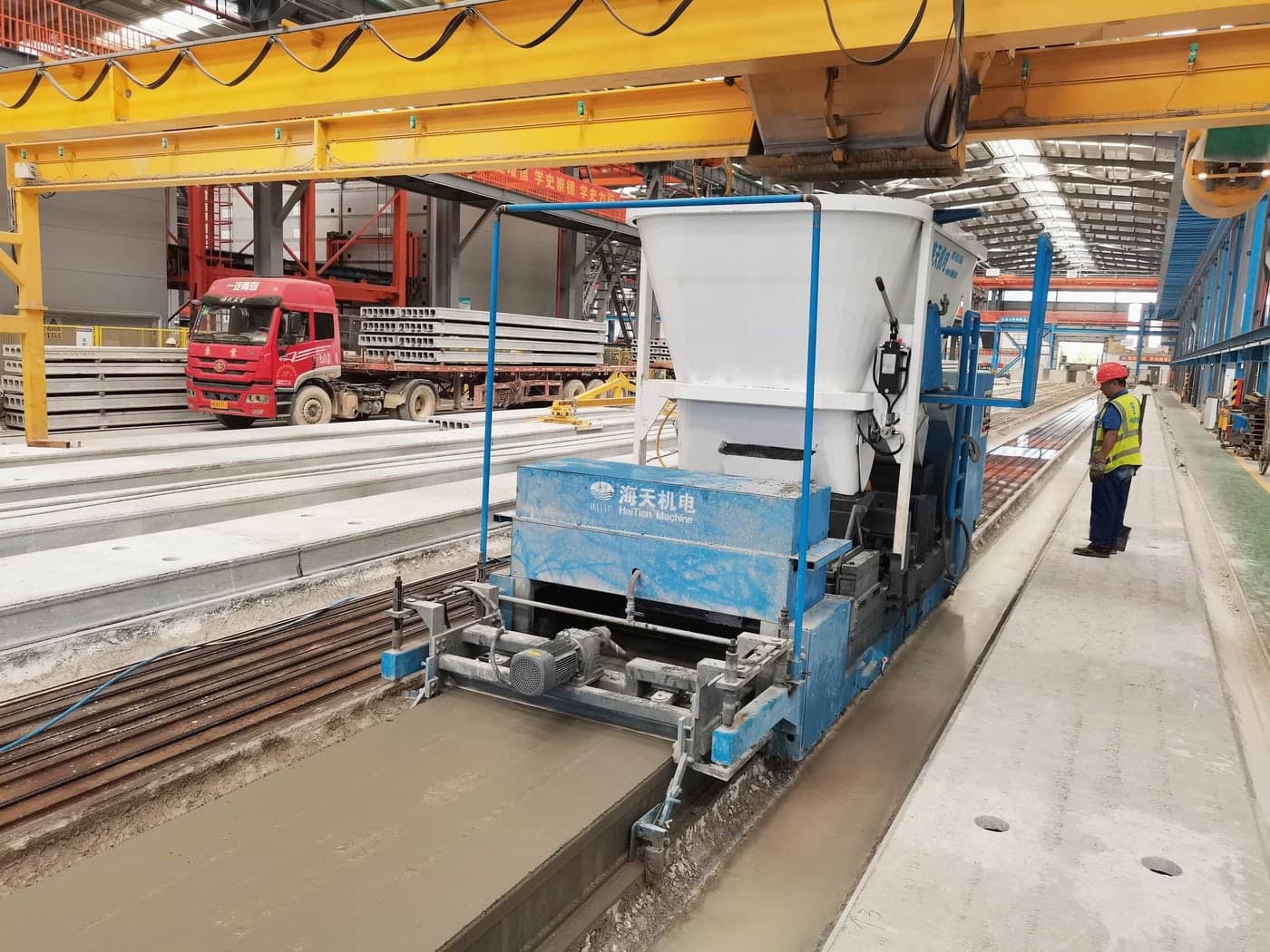
Technical summary
Hollow core production depends on long beds, prestressing, extruder or slipformer selection, dry concrete control, curing, cutting and safe slab lifting.
Field notes
Hollow Core Slab Production Line Guide operating variables
Hollow core production depends on long beds, prestressing, extruder or slipformer selection, dry concrete control, curing, cutting and safe slab lifting.
Parameters to verify
- Confirm local slab profiles and span requirements.
- Plan prestressing beds and strand handling.
- Select extruder or slipformer based on mix control and profile range.
- Include saw cutting, curing and lifting capacity.
Records and inputs
- Slab profiles
- Span requirements
- Target output
- Prestressing plan
Failure modes to watch
- Standards unclear.
- Mix is not stable.
- Bed utilization is low.
Visual workflow
Hollow core production as bed rhythm
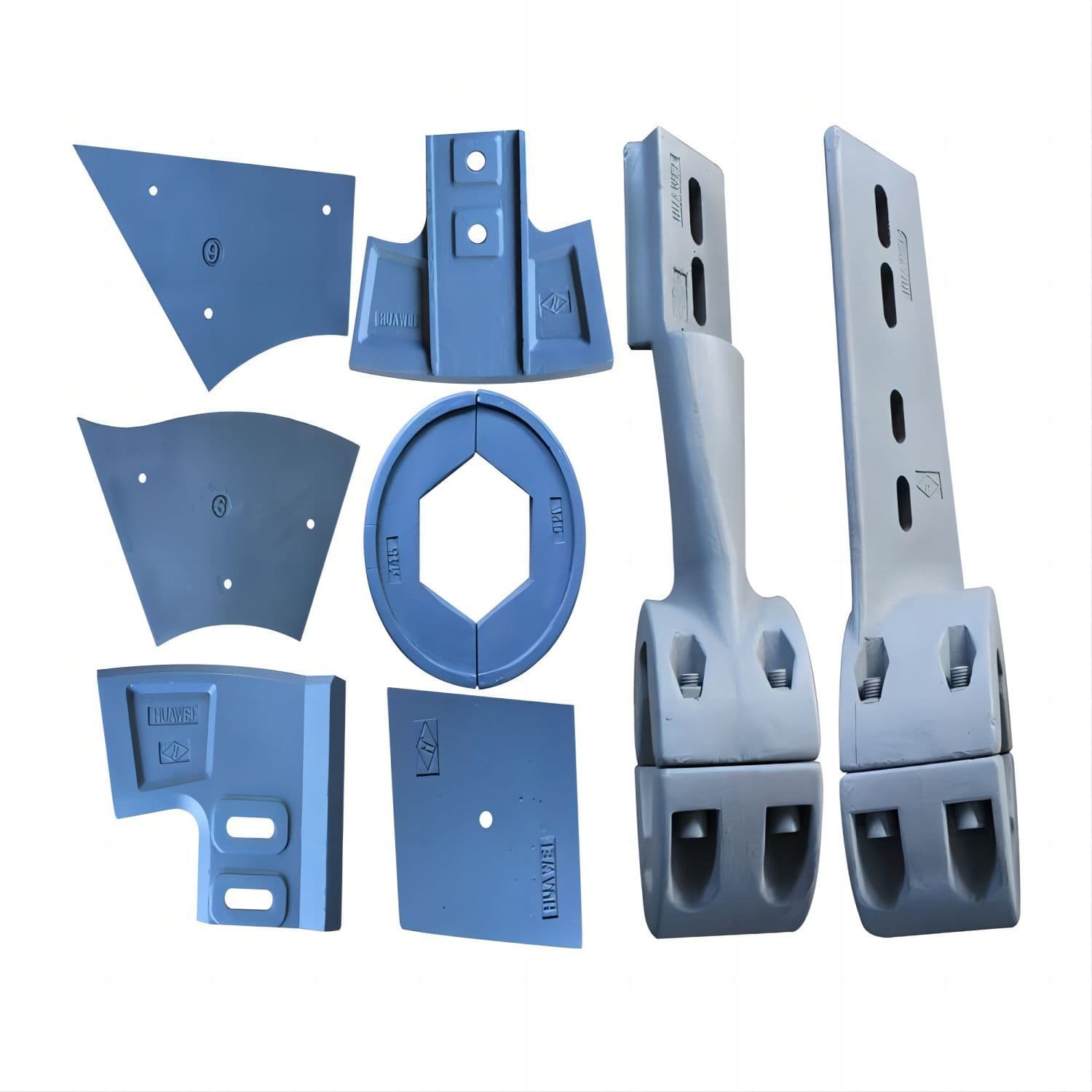
Hollow core output is controlled by bed preparation, prestressing, concrete consistency, casting, curing, sawing, lifting and storage. Supporting visual: mixer wear parts as the related product or interface reference for this workflow.
Clean, oil and set strand path before tensioning.
Jack calibration, elongation and anchorage records control load performance.
Extruder or slipformer needs stable dry-mix behavior and continuous supply.
Bed turnover depends on release strength, heat and seasonal control.
Saw capacity and layout plan define batch release.
Clamps, support points and storage protect slabs after cutting.
Production context
A hollow core line is a system: casting beds, prestressing, machine choice, concrete mix, curing, cutting and yard logistics must work together.
Where this applies
- Floor slab factories
- Parking and industrial building suppliers
- Prestressed precast plants
- High-volume slab production
Engineering variables
- Confirm local slab profiles and span requirements.
- Plan prestressing beds and strand handling.
- Select extruder or slipformer based on mix control and profile range.
- Include saw cutting, curing and lifting capacity.
System interfaces
- Extruders usually need a very dry mix and strong process control.
- Slipformers may offer profile flexibility depending on supplier.
- Bed length, curing and cutting often control real output more than machine speed.
Production evidence checklist
| Production variable | Why it matters in production | Records or evidence to inspect | Interface risk |
|---|---|---|---|
| Slab profile and local standard | Defines machine profile, strand layout, load table, cutting method and acceptance documents. | Approved slab depths, span/load table, local code reference, strand pattern and profile drawings. | A machine can produce a profile that still fails local approval or contractor acceptance. |
| Casting bed design | Controls bed length, prestressing anchor blocks, heating/curing method, cleaning and utilization. | Bed length, number of beds, anchor layout, release agent or bed-cleaning method and target output per shift. | Machine speed is not useful if bed preparation, curing or cutting controls the real daily output. |
| Concrete workability window | Separates extrusion, slipforming and wet-cast assumptions and sets batching/lab control needs. | Mix design, aggregate grading, moisture correction, slump or zero-slump test method and strength curve. | Dry-mix inconsistency causes void shape, surface and strength problems that look like machine faults. |
| Prestressing procedure | Defines jack capacity, calibration, elongation records, strand release method and operator training. | Strand diameter, target force, anchorage system, jack/pump data, calibration certificate and release sequence. | Uncontrolled stressing creates camber, cracking or load-rating problems after the slab leaves the bed. |
| Cutting and lifting | Links saw capacity, lifting clamps, stacking, storage support and dispatch sequence. | Cut length schedule, saw type, lifting device, storage supports, slab weight and delivery batch plan. | A line can cast slabs faster than it can cut, lift, store and load them safely. |
Technical references
Original sources and related manuals
Open the governing standard record, original process source or related product manual for the underlying scope and terminology.
Use this product manual to connect machine, bed, prestressing, concrete control and lifting.
Open process referencePRECAST.WORLDPC strand and PC bar interfaceUse this reference when prestressing force, relaxation class, strand traceability and anchorage records control slab acceptance.
Open process referencePRECAST.WORLDPrecast laboratory equipment manualUse this reference when zero-slump concrete, release strength and curing records decide bed turnover.
Open process referenceWeiler GmbHPoles, piles and columns equipmentOfficial manufacturer reference for spun pole and pile molds, concrete delivery, cage welding, centrifugal spinning, curing and handling scope.
Open process referenceWeak assumptions seen in projects
- Selecting the machine without bed planning.
- Ignoring concrete mix control.
- Underestimating cutting and lifting capacity.
Inspection and acceptance points
- Standards unclear.
- Mix is not stable.
- Bed utilization is low.
- Wear parts unavailable.
FAQ
What is the first decision to make for hollow core slab production line guide?
Start with product type, target capacity and local requirements. These inputs shape equipment, mold, material and quality-control choices.
What information should be prepared before speaking with suppliers?
Prepare drawings, target output, local standards, installation limits, available utilities, budget range and the questions you need answered.
Need to frame the technical context?
Send product type, capacity target, standards, drawings, photos or quality issues. PRECAST.WORLD will turn them into clearer technical notes for the next discussion.