News
Why Precast Construction Is Growing Globally
Market drivers behind the global growth of precast construction and the product evidence that matters.

Technical summary
Precast construction is growing because projects need speed, labor efficiency, quality control and more predictable construction processes.
Field notes
Why Precast Construction Is Growing Globally operating variables
Precast construction is growing because projects need speed, labor efficiency, quality control and more predictable construction processes.
Parameters to verify
- Look at labor availability and site constraints.
- Review housing, infrastructure and industrial project demand.
- Understand local code adoption.
- Check logistics and crane availability.
Records and inputs
- Target market
- Accepted product types
- Local standards
- Construction labor trends
Failure modes to watch
- Demand is broad but not product-specific.
- Standards unclear.
- Installation ecosystem weak.
Visual workflow
Global growth as local adoption chain
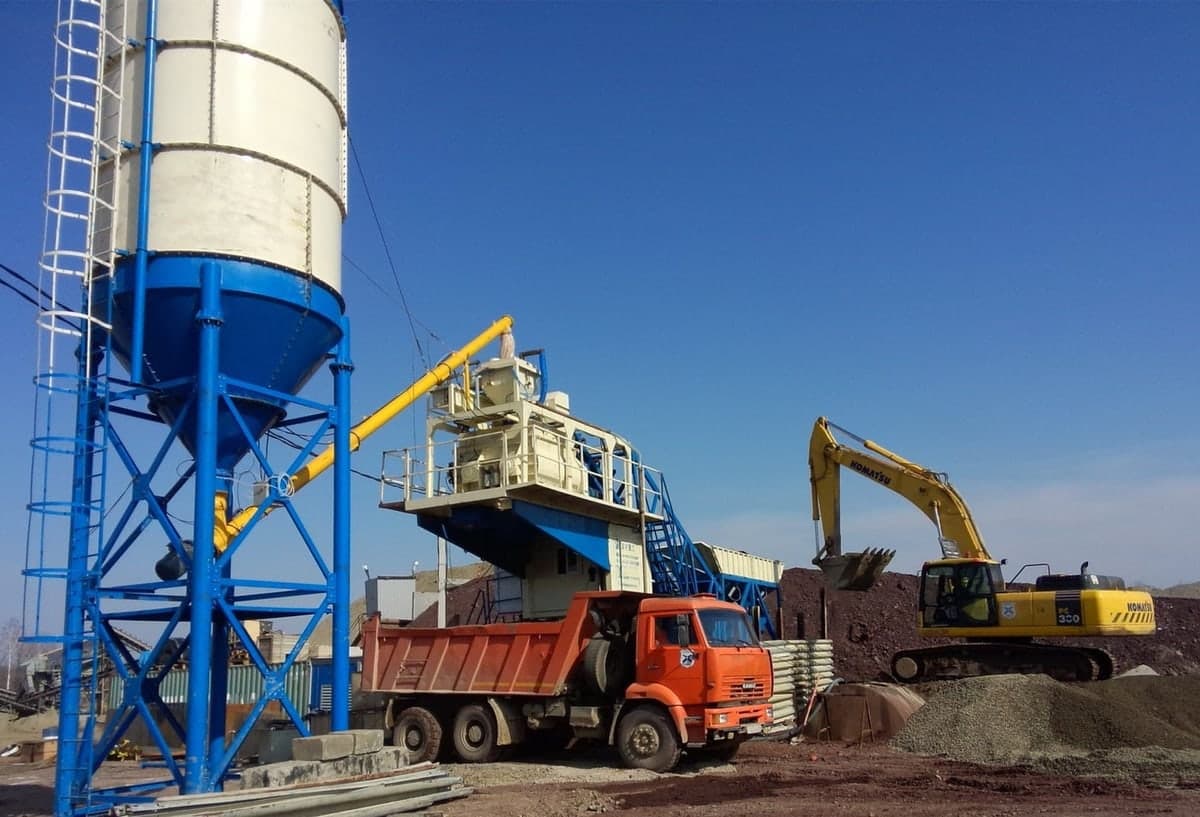
Precast grows where product demand, local standards, factory capability, logistics and installation systems line up. Supporting visual: precast factory layout as the related product or interface reference for this workflow.
Housing and infrastructure create product-specific need.
Approval rules decide what can be used.
Molds, curing, QC and labor create reliable output.
Transport radius and cranes define viable products.
Site crews and lifting plans make adoption practical.
Supply-chain support keeps growth repeatable.
Production context
Precast construction is growing because projects need speed, labor efficiency, quality control and more predictable construction processes.
Where this applies
- market planning and comparison
- growth planning and comparison
- construction planning and comparison
Engineering variables
- Look at labor availability and site constraints.
- Review housing, infrastructure and industrial project demand.
- Understand local code adoption.
- Check logistics and crane availability.
System interfaces
- Compare markets by product fit, not global headlines.
- Ask which precast products are already accepted locally.
- Review transportation economics.
Production evidence checklist
| Production variable | Why it matters in production | Records or evidence to inspect | Interface risk |
|---|---|---|---|
| Labor productivity pressure | Explains why factories, contractors and governments compare offsite production with site labor constraints. | Labor availability, wage trend, site productivity data, weather delays and safety records. | Precast growth is uneven when local labor remains cheap or installation skill is missing. |
| Infrastructure and housing demand | Connects demand to bridges, tunnels, drainage, housing, logistics and urban expansion. | Project pipeline, product type, transport radius, public procurement and contractor capacity. | Growth should be read by product family, not as one global precast market. |
| Quality and schedule certainty | Shows why controlled curing, repeatable molds and inspection records matter to project acceptance. | Defect data, schedule delay data, factory QA records and project acceptance requirements. | The value proposition weakens if local factories cannot prove quality and delivery consistency. |
| Standards and approvals | Determines which precast products can be adopted by engineers, authorities and contractors. | Local codes, certified products, approval cases, test requirements and installation rules. | A market may want precast but lack approval paths for certain products. |
| Supply-chain readiness | Checks whether equipment, molds, inserts, cranes, transport and service support can sustain growth. | Supplier base, spare parts, crane capacity, transport limits, training and maintenance support. | Demand does not become production capacity without upstream and local service infrastructure. |
Technical references
Original sources and related manuals
Open the governing standard record, original process source or related product manual for the underlying scope and terminology.
Use this manual to connect market growth with real factory capability.
Open process referencePRECAST.WORLDModular construction articleUse this article when growth is tied to offsite and modular building methods.
Open process referencePRECAST.WORLDAutomation trends articleUse this article when growth depends on labor, data and production automation.
Open process referenceVollert Precast SolutionsPallet transport and circulation technologyExternal process reference for pallet movement, turning, storage, station interfaces and factory-control scope.
Open process referenceVollert Precast SolutionsPallet circulation system for walls and floorsSpecific process reference for casing pallets, station-to-station circulation, shuttering, concrete spreading, turning, loading and lifting.
Open process referenceVollert Precast SolutionsProduction control systemSpecific process reference for production sequencing, pallet assignment, circulation visualization, subsystem control and fault records.
Open process referenceWeiler GmbHPrecast plant, batching and concrete transport systemsOfficial manufacturer overview for batching, mixer, concrete delivery, prestressed production and plant-handling interfaces.
Open process referenceApollo Afinitas TechnologiesConcrete pipe, manhole and box-culvert plant equipmentOfficial manufacturer overview for pipe and infrastructure product lines, molds, cage welding, curing and handling equipment.
Open process referenceWeak assumptions seen in projects
- Assuming every market suits the same product.
- Ignoring local design standards.
- Underestimating site installation capability.
Inspection and acceptance points
- Demand is broad but not product-specific.
- Standards unclear.
- Installation ecosystem weak.
- Transport distance too high.
FAQ
What is the first decision to make for why precast construction is growing globally?
Start with product type, target capacity and local requirements. These inputs shape equipment, mold, material and quality-control choices.
What information should be prepared before speaking with suppliers?
Prepare drawings, target output, local standards, installation limits, available utilities, budget range and the questions you need answered.
Need to frame the technical context?
Send product type, capacity target, standards, drawings, photos or quality issues. PRECAST.WORLD will turn them into clearer technical notes for the next discussion.