News
Precast Opportunities in Southeast Asia
Market, product and factory-supply signals for precast growth in Southeast Asia.
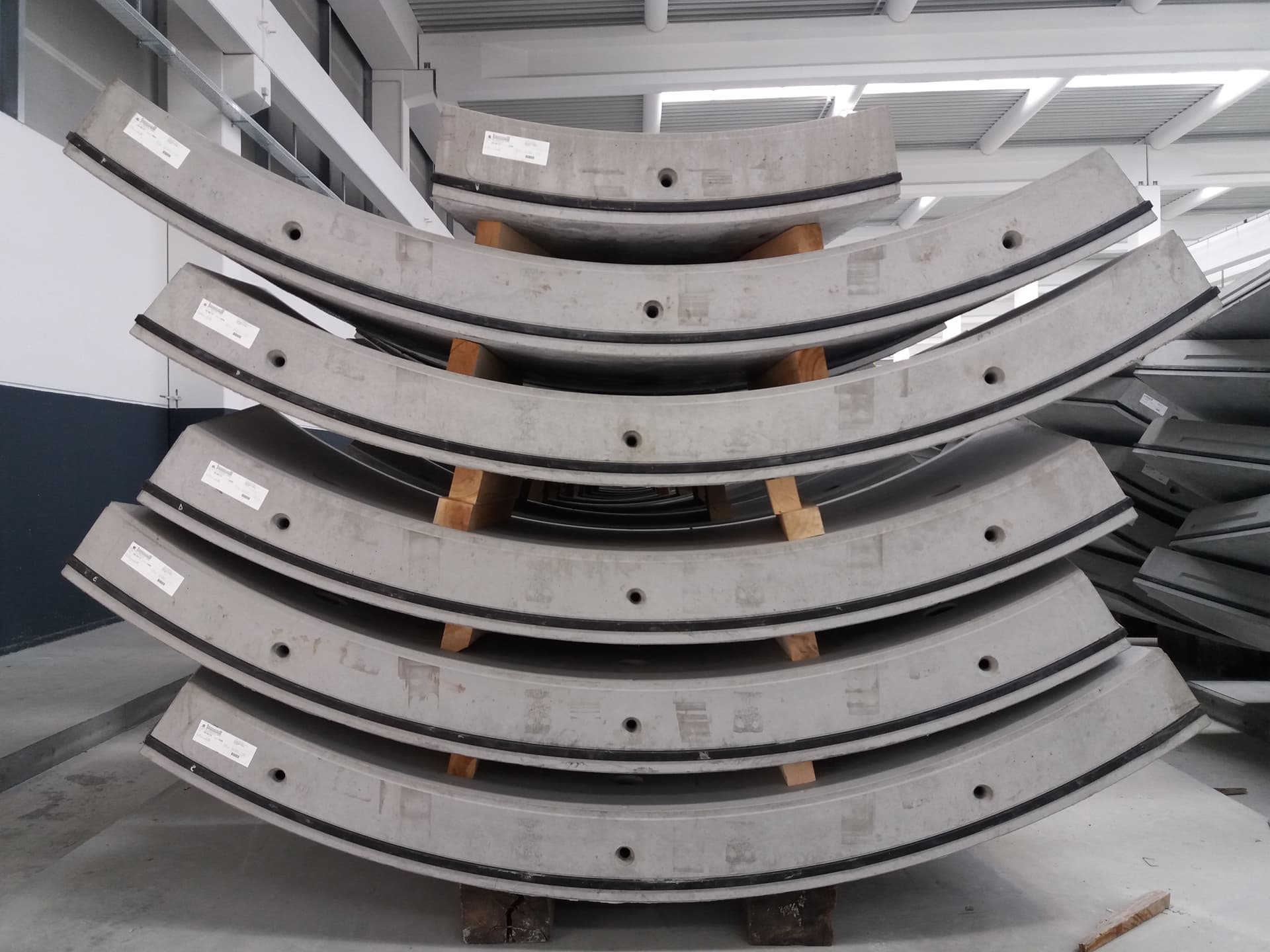
Technical summary
Southeast Asian markets combine urban growth, infrastructure demand and varied labor conditions. Precast opportunities differ sharply by country and product type.
Field notes
Precast Opportunities in Southeast Asia operating variables
Southeast Asian markets combine urban growth, infrastructure demand and varied labor conditions. Precast opportunities differ sharply by country and product type.
Parameters to verify
- Study accepted product categories locally.
- Check labor, logistics and crane availability.
- Understand local standards.
- Match plant scale to demand certainty.
Records and inputs
- Target country
- Product category
- Local standards
- Demand forecast
Failure modes to watch
- Demand uncertain.
- Standards fragmented.
- Installation skill missing.
Visual workflow
Southeast Asia opportunity as local product map
Southeast Asia should be read by product family, local standard, transport radius, installation ecosystem and upstream supply support. Supporting visual: precast factory layout as the related product or interface reference for this workflow.
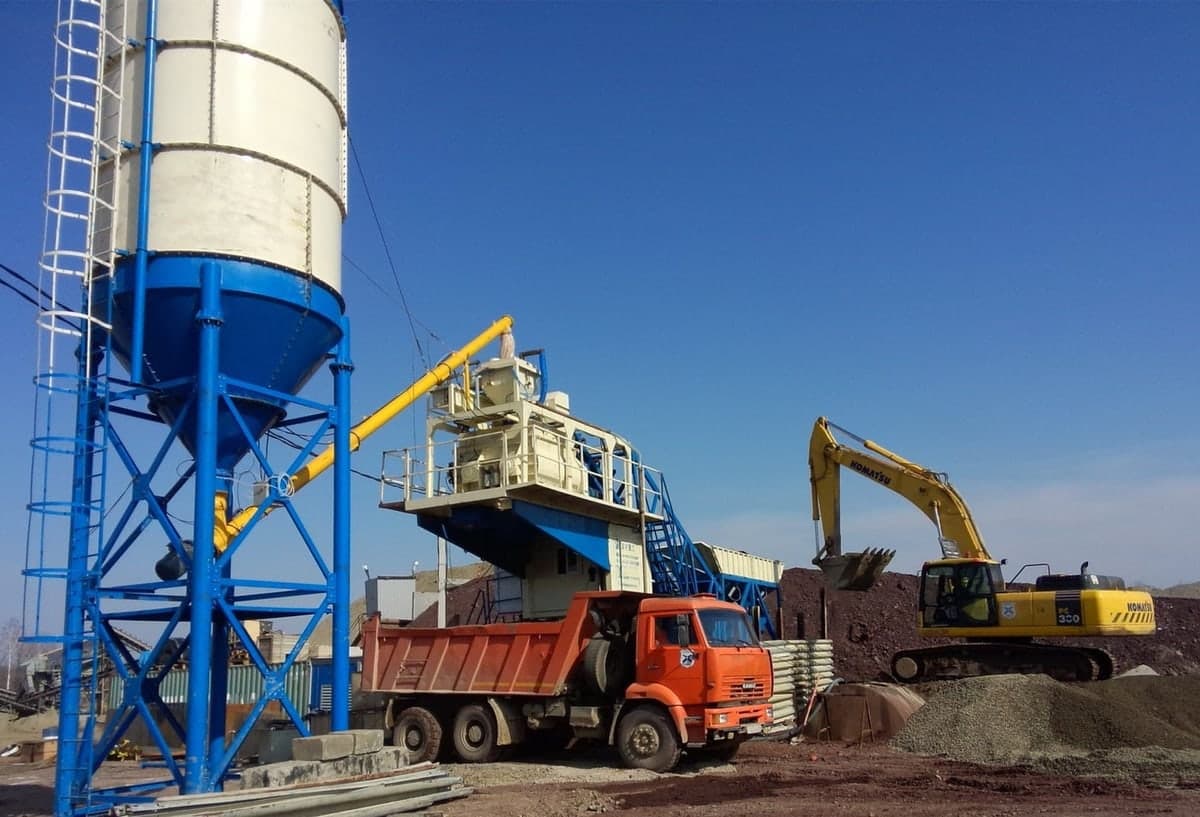
Piles, pipes, panels and components have different local demand.
Authorities and utilities decide accepted products.
Finished precast is local; equipment and accessories can travel.
Installation skill and crane access shape adoption.
Heat, rain and storage affect production quality.
Service and spare parts make capacity durable.
Production context
Southeast Asian markets combine urban growth, infrastructure demand and varied labor conditions. Precast opportunities differ sharply by country and product type.
Where this applies
- southeast asia planning and comparison
- market planning and comparison
- trend planning and comparison
Engineering variables
- Study accepted product categories locally.
- Check labor, logistics and crane availability.
- Understand local standards.
- Match plant scale to demand certainty.
System interfaces
- Compare opportunities by product, not region alone.
- Ask which construction methods contractors already trust.
- Review import and service support.
Production evidence checklist
| Production variable | Why it matters in production | Records or evidence to inspect | Interface risk |
|---|---|---|---|
| Product-specific demand | Separates housing panels, piles, pipes, drainage, sleepers, poles and infrastructure components. | Country project pipeline, product category, local factory map, transport radius and contractor adoption. | Regional opportunity is too broad; each product family has different local economics. |
| Standards and public procurement | Controls which products can be approved, specified and purchased by local authorities. | Local code, municipal standard, utility requirement, tender documents and accepted supplier examples. | Demand can stall when standards or approval routes are unclear. |
| Local versus imported supply | Defines which items are regional finished products and which upstream supplies can be imported. | Transport cost, customs, service support, spare parts, product weight and local plant capability. | Heavy precast products are usually local; molds, equipment and accessories can be cross-border. |
| Labor, cranes and installation | Checks whether factories and sites can place, lift, install and inspect precast reliably. | Labor skill, crane availability, installer base, lifting rules, site access and safety records. | A product may be technically attractive but constrained by installation ecosystem. |
| Climate and logistics | Connects curing, storage, rain, heat, transport route, port access and yard planning. | Climate data, curing method, drainage plan, road limits, storage days and delivery route. | Tropical conditions can change curing, storage and transport assumptions quickly. |
Technical references
Original sources and related manuals
Open the governing standard record, original process source or related product manual for the underlying scope and terminology.
Use this manual to connect opportunity with realistic factory and yard requirements.
Open process referencePRECAST.WORLDConcrete pipe mold manualUse this reference when drainage and utility products drive local demand.
Open process referencePRECAST.WORLDSpun pile mold manualUse this reference when pile and foundation demand shapes regional precast investment.
Open process referenceVollert Precast SolutionsPallet transport and circulation technologyExternal process reference for pallet movement, turning, storage, station interfaces and factory-control scope.
Open process referenceVollert Precast SolutionsPallet circulation system for walls and floorsSpecific process reference for casing pallets, station-to-station circulation, shuttering, concrete spreading, turning, loading and lifting.
Open process referenceVollert Precast SolutionsProduction control systemSpecific process reference for production sequencing, pallet assignment, circulation visualization, subsystem control and fault records.
Open process referenceWeiler GmbHPrecast plant, batching and concrete transport systemsOfficial manufacturer overview for batching, mixer, concrete delivery, prestressed production and plant-handling interfaces.
Open process referenceApollo Afinitas TechnologiesConcrete pipe, manhole and box-culvert plant equipmentOfficial manufacturer overview for pipe and infrastructure product lines, molds, cage welding, curing and handling equipment.
Open process referenceWeak assumptions seen in projects
- Using one regional strategy for every country.
- Ignoring installation ecosystem.
- Overbuilding capacity before demand is stable.
Inspection and acceptance points
- Demand uncertain.
- Standards fragmented.
- Installation skill missing.
- Imported parts support weak.
FAQ
What is the first decision to make for precast opportunities in southeast asia?
Start with product type, target capacity and local requirements. These inputs shape equipment, mold, material and quality-control choices.
What information should be prepared before speaking with suppliers?
Prepare drawings, target output, local standards, installation limits, available utilities, budget range and the questions you need answered.
Need to frame the technical context?
Send product type, capacity target, standards, drawings, photos or quality issues. PRECAST.WORLD will turn them into clearer technical notes for the next discussion.