News
Automation Trends in Precast Factories
Where automation is useful in precast factories and where production evidence should be checked.
Technical summary
Automation is expanding in batching, pallet circulation, reinforcement processing, data capture and quality control, but the strongest gains still depend on product standardization.
Field notes
Automation Trends in Precast Factories operating variables
Automation is expanding in batching, pallet circulation, reinforcement processing, data capture and quality control, but the strongest gains still depend on product standardization.
Parameters to verify
- Identify repeatable tasks first.
- Check data and operator capability.
- Prioritize bottlenecks.
- Keep maintenance realistic.
Records and inputs
- Product repetition
- Current bottlenecks
- Labor cost
- Maintenance skill
Failure modes to watch
- Low utilization.
- Integration weak.
- Operators bypass system.
Visual workflow
Automation as data-connected station flow
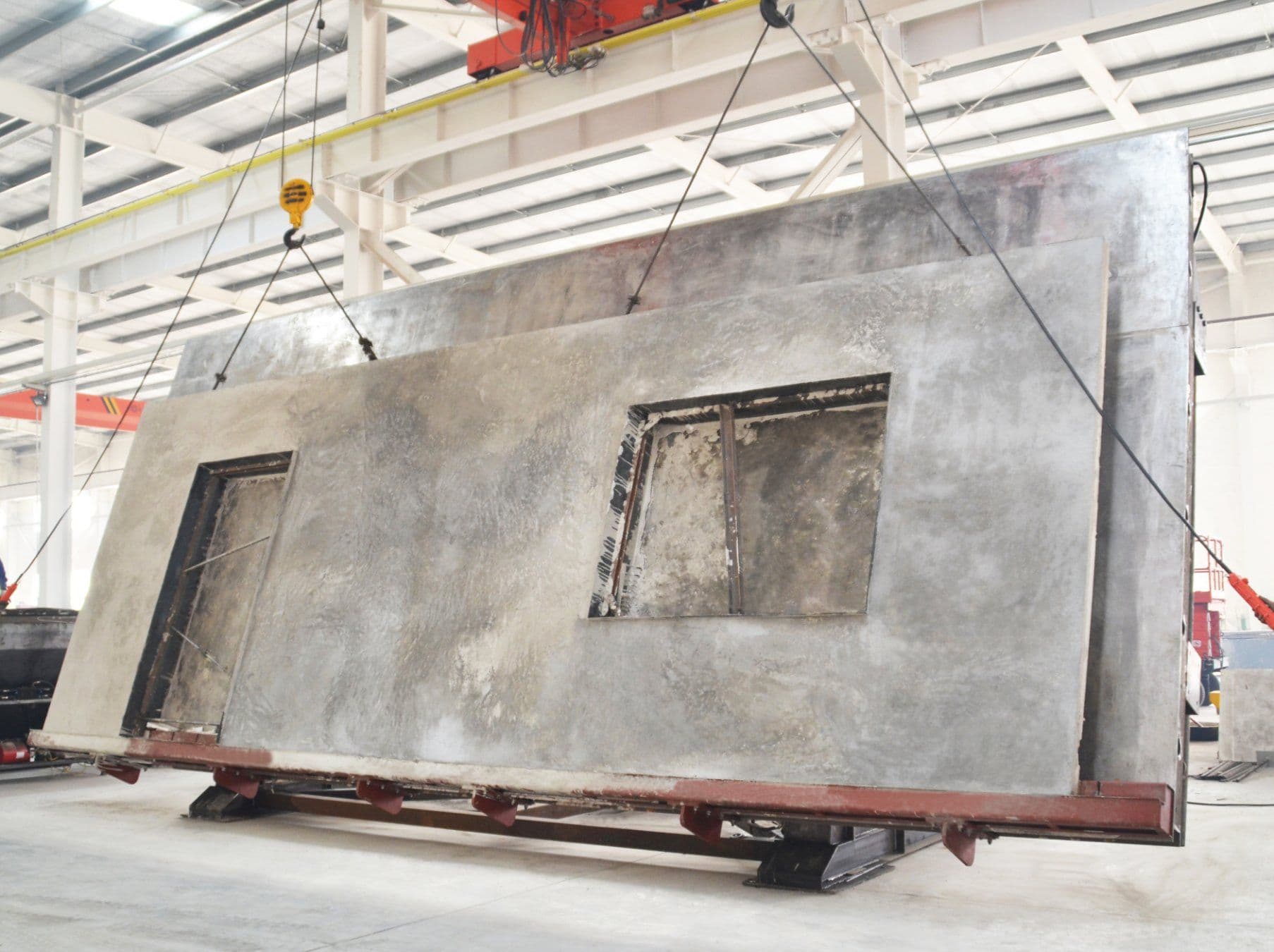
Automation value comes from data, reinforcement, concrete delivery, pallet movement, curing, QC and maintenance working as one controlled system. Supporting visual: tilting table as the related product or interface reference for this workflow.
CAD/BIM and production data must reach station instructions cleanly.
Mesh and cage automation must feed casting at the same rhythm.
Concrete distribution and vibration need station-level repeatability.
Pallet or element movement should remove queues, not shift them.
Batch, curing, inspection and repair records keep quality visible.
Sensors, hydraulics, spares and local service decide uptime.
Production context
Automation is expanding in batching, pallet circulation, reinforcement processing, data capture and quality control, but the strongest gains still depend on product standardization.
Where this applies
- automation planning and comparison
- factory planning and comparison
- trend planning and comparison
Engineering variables
- Identify repeatable tasks first.
- Check data and operator capability.
- Prioritize bottlenecks.
- Keep maintenance realistic.
System interfaces
- Compare automation by utilization, not brochure capacity.
- Ask about downtime and support.
- Review integration with existing workflows.
Production evidence checklist
| Production variable | Why it matters in production | Records or evidence to inspect | Interface risk |
|---|---|---|---|
| Station balance | Reads automation as a sequence of stations rather than a fast individual machine. | Cycle time by station, WIP position, pallet route, concrete delivery rhythm, curing time and demolding records. | One fast station only creates queues when upstream reinforcement or downstream curing is slower. |
| Design-to-production data | Connects BIM/CAD, production drawings, pallet planning, insert placement and machine instructions. | Drawing revision process, CAD/BIM export, production data format, insert schedule and station work instructions. | Automated equipment cannot fix wrong or late production data; it repeats the error with less warning. |
| Reinforcement automation | Controls mesh output, cage accuracy, welding records and feed rhythm to casting stations. | Mesh types, bar diameters, cage drawings, output target, weld inspection and rebar storage plan. | Casting automation is constrained when reinforcement is still handmade, late or difficult to inspect. |
| Quality traceability | Links batch records, curing logs, dimensional checks, defect photos and delivery identity. | Element ID method, batch record, inspection record, repair record, delivery record and retention period. | More automation increases the need for traceability because problems can affect many elements quickly. |
| Maintenance capability | Defines spare parts, troubleshooting skill, sensor calibration, hydraulic service and downtime response. | Maintenance team, supplier support, spare list, alarm history, calibration plan and remote support assumptions. | A highly automated line is only as reliable as the local maintenance system that keeps it running. |
Technical references
Original sources and related manuals
Open the governing standard record, original process source or related product manual for the underlying scope and terminology.
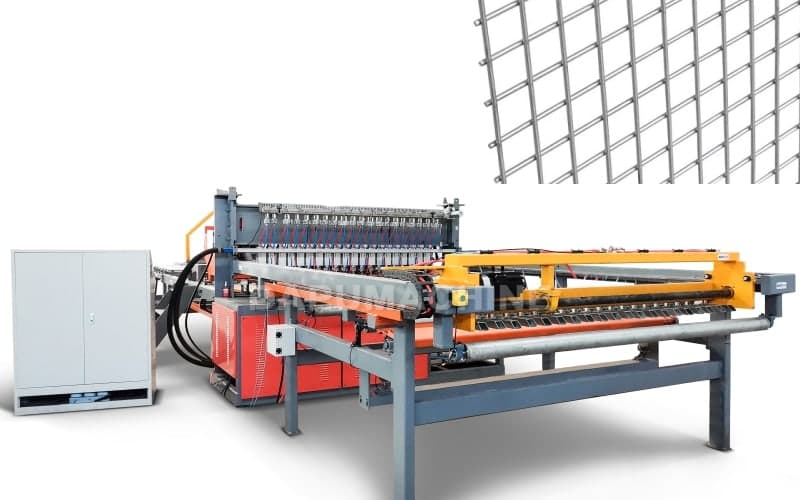
Use this product manual to read automation as station movement, data discipline and maintenance workload.
Open process referencePRECAST.WORLDRebar mesh welding machine manualUse this reference to connect reinforcement automation with casting station rhythm.
Open process referencePRECAST.WORLDConcrete distributor interfaceUse this reference when automated casting depends on concrete delivery, discharge control and cleaning.
Open process referenceVollert Precast SolutionsPallet transport and circulation technologyExternal process reference for pallet movement, turning, storage, station interfaces and factory-control scope.
Open process referenceVollert Precast SolutionsPallet circulation system for walls and floorsSpecific process reference for casing pallets, station-to-station circulation, shuttering, concrete spreading, turning, loading and lifting.
Open process referenceVollert Precast SolutionsProduction control systemSpecific process reference for production sequencing, pallet assignment, circulation visualization, subsystem control and fault records.
Open process referenceWeiler GmbHPrecast plant, batching and concrete transport systemsOfficial manufacturer overview for batching, mixer, concrete delivery, prestressed production and plant-handling interfaces.
Open process referenceApollo Afinitas TechnologiesConcrete pipe, manhole and box-culvert plant equipmentOfficial manufacturer overview for pipe and infrastructure product lines, molds, cage welding, curing and handling equipment.
Open process referenceWeak assumptions seen in projects
- Automating unstable processes.
- Ignoring data quality.
- Underestimating maintenance training.
Inspection and acceptance points
- Low utilization.
- Integration weak.
- Operators bypass system.
- Spare parts delayed.
FAQ
What is the first decision to make for automation trends in precast factories?
Start with product type, target capacity and local requirements. These inputs shape equipment, mold, material and quality-control choices.
What information should be prepared before speaking with suppliers?
Prepare drawings, target output, local standards, installation limits, available utilities, budget range and the questions you need answered.
Need to frame the technical context?
Send product type, capacity target, standards, drawings, photos or quality issues. PRECAST.WORLD will turn them into clearer technical notes for the next discussion.